
Understanding Rescue Cats
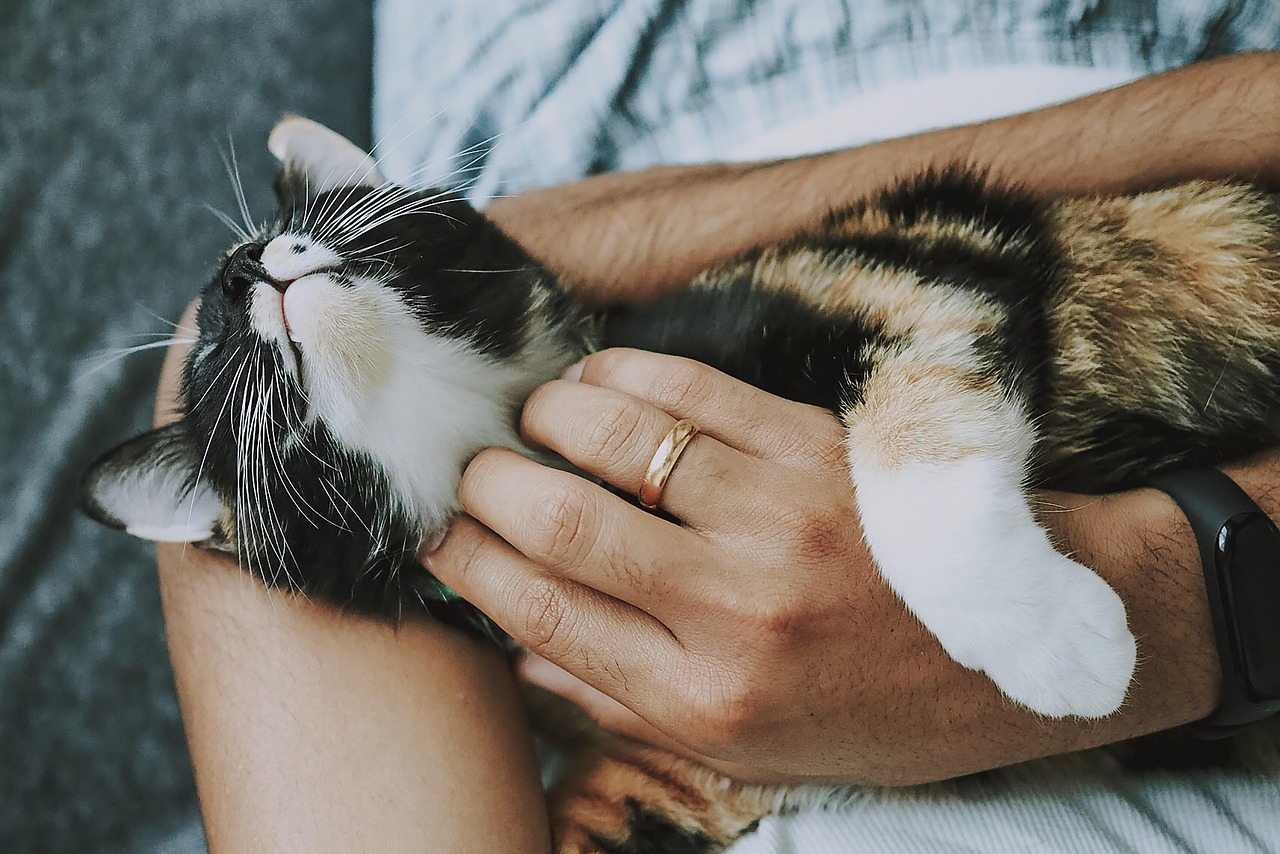
When it involves accepting a rescue cat, it is crucial to comprehend their unique behavioral traits and needs. Most of these cats have experienced adverse circumstances, which can lead to trust issues. Getting accustomed to their new environment is essential, as it involves patience and time. Creating a designated safe space with comfortable bedding away from high traffic areas can help them acclimate. Include toys, scratching posts, and hiding places in this area. Gradually introducing them to other family members, animals, and spaces in your home will help prevent them from being overwhelmed and allow them to explore their new surroundings at their own pace. Understanding their body language, such as exposing their stomach or flattening their ears, will assist in assessing their comfort levels. Gradually, you can help them gain confidence and feel secure in their new surrounding. It is essential to remember that rescue cats often need time to come out of their shells, but with the right techniques, this process can be a fulfilling experience for both you and your new feline friend.
Initial Days Post-Rescue
The first few days after bringing a rescue cat home are vital in establishing a foundation for their long-term care. It is crucial to minimize changes and avoid overwhelming them during this critical adjustment period. Providing a calm environment will create a sense of security for your new cat, encouraging them to explore, eat, and play at their own pace. Monitor their eating habits and litter box usage closely. If they seem hesitant to eat, try offering a variety of food types, such as wet, dry, and even soft foods. Creating a feeding schedule helps them adjust better. Additionally, spend quality time sitting quietly in their presence. This will facilitate bonding and trust-building. Using soft, soothing tones while talking can be incredibly comforting for frightened cats. If they choose to approach you, encourage the interaction with gentle pets and treats. It is essential to remember that every cat is unique; some may take mere hours while others may take days or weeks to feel at ease. Patience and love are paramount during this initial phase.
Creating a Safe and Comfortable Space
Creating a secure and inviting environment for your rescued cat can significantly promote their emotional well-being. Start by designating a quiet space away from commotion where they can feel safe. Having a cozy bed, litter box, and food in this area allows them to feel in control of their surroundings. Incorporating vertical spaces such as cat trees or shelves for climbing can cater to their natural propensity to seek heights. Having scratching posts can prevent furniture from the wrath of their claws while encouraging healthy behavior. Make sure that all window screens and toxic plants are covered or removed to ensure their safety. Establishing an enriching environment is also essential—this can involve toys, interactive play sessions, and exploring different textures in their play area. Regularly rotating their toys keeps their interest piqued. Fostering a secure haven will help your cat build confidence and explore. Over time, as trust develops, they will venture further into your home, becoming a beloved member of your family.
Another critical part of cat rehabilitation is understanding the importance of routine. Cats thrive on consistency, and having a structured schedule can help alleviate any stress. Feeding them at the same times every day, ensuring daily play sessions, and maintaining litter box hygiene will create a stable environment they can rely on. Also, regular vet visits are paramount in ensuring their health and well-being. Vaccinations, parasite prevention, and spaying or neutering are essential steps that cannot be overlooked. If your cat shows signs of anxiety or stress, consult a veterinarian or behaviorist. They can guide coping strategies tailored to your feline’s needs. Situational stressors may stem from loud noises or other pets in your home. Discovering trigger points can aid in developing effective solutions. Furthermore, engaging them in different activities, like clicker training or puzzle feeders, can stimulate their mind and maintain their focus on positive experiences. Remember, the journey of rehabilitating a rescue cat is a heartwarming experience, often filled with challenges and rewards. Each small step toward fostering trust will only strengthen your bond, leading to a happier, healthier life together.
Building a strong bond with your rescue cat is central to their rehabilitation. Patience and understanding go a long way in establishing trust. Create opportunities for interaction, even if it means just sitting quietly in the same room as your new feline. Allowing them to initiate contact fosters a safer dynamic. Use treats as incentives, encouraging them to approach you. This will gradually build their confidence around you. Avoid forcing interactions; it could lead to fear or aggression. On days when your cat appears more social, engage in gentle play with appropriate toys; wand toys are particularly beneficial as they promote safe distance while encouraging hunting instincts. Also, observe their preferences for different toys and activities, as this can guide you in nurturing their playful spirit. Make playtime consistent, as it provides both mental and physical stimulation. Over time, you can also start introducing new objects or activities to keep their environment lively. Understanding their preferences will make this experience mutually fulfilling and help reinforce the bond you are cultivating. As your cat becomes secure in your care, their unique personality will shine through, enriching your relationship.
Socialization techniques play a critical role in the long-term care of rescue cats. Introducing your cat to different people and animals helps them become well-adjusted companions. Invite friends to meet your cat gradually, ensuring it happens in their safe space. Allow your cat to observe before direct contact. Avoid overwhelming them with too many people at once, as this can exacerbate anxiety. Additionally, if you have other pets, introduce them slowly and in controlled environments. Use baby gates to provide safe distance, allowing them to acclimate at their own pace. If your cat shows fear during these introductions, do not force the interaction; instead, provide them with a safe retreat where they can feel secure. Using positive reinforcement such as treats or praise can encourage them to explore interactions more willingly. Participate in regular, supervised play sessions, and reward positive behavior. Over time, this experience will foster trust and companionship between your feline and others in your home. Creating a socialized environment not only benefits your rescue cat but also enriches the lives of everyone they encounter, ultimately promoting a happier household.
Understanding the health needs of rescue cats is paramount. Being aware of potential health issues, especially in adopted cats, is essential for long-term care. Scheduling consistent veterinary checkups ensures not only vaccinations but also routine health assessments. Many rescue cats may arrive with previous medical problems, including dental issues, flea infestations, or infections that require monitoring. Regular vet visits will ensure timely treatments and keep health issues from escalating. Sharing the cat’s history with your vet can also assist in establishing a comprehensive healthcare plan. Nutrition plays a critical role in your cat’s overall health. Consult your veterinarian about suitable diets tailored to their specific needs, taking into account their age, health conditions, and activity levels. Providing high-quality food is a worthwhile investment that can contribute to their longevity. Furthermore, attention to dietary preferences should be observed, as some cats may require special formulations or textures. Incorporating supplements when necessary can support immunity and prevent common diseases. For rescue cats, who have often faced nutritional neglect, proper health oversight is vital for nurturing their recovery and transformation into vibrant, happy companions.
In conclusion, fostering a supportive environment is integral to the long-term care and rehabilitation of rescue cats. Understanding their past experiences and providing a nurturing space goes hand in hand with routine veterinary care and socialization opportunities. Establishing a structured routine creates a sense of belonging, while also encouraging positive behaviors. Patience is key throughout this journey; each small step makes a difference. By tailoring your approach to their needs and preferences, you can cultivate a deeper bond and witness their growth into thriving companions. Playtime, socialization, and health are all essential aspects that should be addressed consistently. As trust develops, you may find your rescue cat becoming more playful, affectionate, and interactive, enriching your lives altogether. Documenting their progress can be a rewarding experience, highlighting their journey from insecurity to contentment. While challenges may arise, the love and companionship a rescued cat can provide are ultimately worth it. Engaging more with your cat daily will not only comfort them but also transform your home into a haven where both you and your rescued feline flourish side by side.