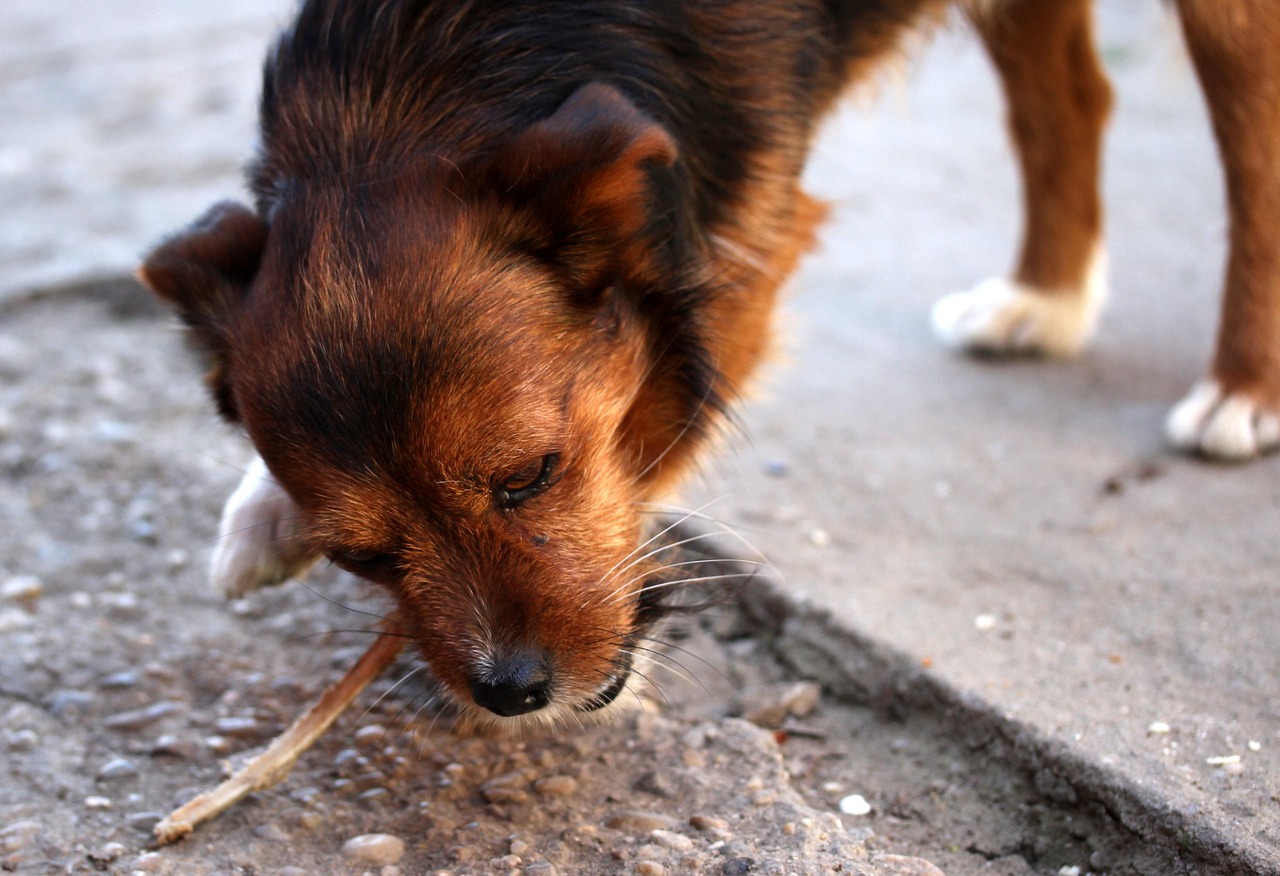

Understanding Your Dog’s Eating Habits: A Comprehensive Guide
Every dog owner knows that their furry friend has unique habits, especially regarding food. Understanding these eating behaviors can not only help ensure your dog maintains a healthy diet but can also strengthen the bond between you and your pet. Dogs, like humans, have individual preferences and peculiarities in relation to their meals. Feeding routines, choice of food, and even portion sizes can vary among dogs. Common factors influencing these behaviors include breed, age, health, and activity levels. Some dogs may be picky eaters, while others seem to eat anything in sight. Moreover, psychological factors also come into play, as dogs are influenced by their emotional state. Understanding these different aspects can provide insight into how to cater to your dog’s specific needs effectively. This guide aims to explore common eating behaviors in dogs, factors affecting their habits, and tips to ensure that your dog has a healthy relationship with food. From establishing feeding routines to recognizing signs of distress or discomfort during meals, this guide will aid you in nurturing your canine’s culinary experience.
Factors Influencing Dog Eating Behavior
There are multiple factors that can affect your dog’s eating behavior. First, it’s essential to consider the dog’s breed. Certain breeds have specific dietary needs and preferences that may impact their eating habits. For instance, large breeds may require larger, protein-rich meals to support their physical structure. Age is another critical factor; puppies generally exhibit different eating behaviors compared to adult and senior dogs. Puppies tend to be more energetic and may require more frequent meals. Health issues can also influence your dog’s appetite and eating patterns; conditions like diabetes or gastrointestinal problems may lead to changes in how much and how often they eat. Observing your dog’s behavior can help identify these patterns. Other elements could include their activity levels, environment, and any recent changes in daily routines. Stress and anxiety can lead to eating issues, such as food refusal or overeating. It is essential to monitor your dog’s eating behavior and consult with a veterinarian if you notice abnormalities as soon as possible.
Establishing a consistent feeding routine is vital for your dog’s eating habits. Dogs thrive on routine, and feeding them at the same time each day can help form healthy eating practices. Aim for a schedule that works for both you and your pet, whether that’s one time or several small meals throughout the day. Consistency allows your dog to anticipate when food will be available, promoting a sense of security. Moreover, this predictability can help prevent overeating by signaling that there will be more meals to come. You might consider using a portion-controlled feeding method to manage how much food your dog consumes. This can help control their weight and prevent health issues. Additionally, using high-quality dog food compatible with your pet’s specific breed, age, and health status results in better acceptance and nourishes their needs. Training your dog to stay in their feeding area until you say, allows for a more peaceful meal experience. With time, a stable routine improves not only your dog’s eating habits but their overall behavior around meal times.
Signs of Eating Distress
Recognizing potential signs of eating distress in your dog is crucial for their well-being. If your dog is suddenly disinterested in food, it could indicate a health issue that needs immediate attention. Likewise, if you’re observing signs of stress during meals, such as pacing or whining, it’s important to investigate further. Sibling rivalry and distraction can impact their focus on meals. If your dog often leaves food uneaten or takes a long time to finish, there may be underlying reasons that need addressing. Other visual indicators include vomiting, diarrhea, or changes in energy levels after eating. If your dog displays excessive gulping when eating, they might be at risk of bloat, a serious condition. Furthermore, behavioral changes such as aggression over food or reluctance to eat under certain conditions could signal anxiety. Regularly monitoring your dog’s eating behavior will equip you to notice these signs early on. Visit a veterinarian if you see consistent distress during meal times to diagnose any underlying health problems.
While recognizing distress signals is essential, it’s also vital to encourage positive eating behaviors. One way to do this is by creating a fun and engaging feeding environment. Using puzzle feeders can turn mealtime into a game, which may encourage picky eaters to engage with their food more willingly. Rotating different flavors or textures of food can keep your dog interested. To prevent boredom, you might offer raw vegetables or treat-filled toys as occasional supplements to their diet. Establishing a quiet and designated eating area free from distractions ensures your dog can focus solely on their meal. Avoid rewarding begging behaviors during mealtime; this can reinforce negative habits over time. It’s advisable to remain patient with your dog, particularly if they are adjusting to a new feeding routine or type of food. Adapting to these changes may take time. With encouragement and love, your dog will develop healthier eating habits and foster a more enjoyable experience overall.
Conclusion
Understanding your dog’s eating behavior is an important aspect of being a responsible pet owner. By taking time to observe and analyze your dog’s interactions with food, you can make informed decisions about their feeding practices. Each dog is unique and may require different approaches. Recognizing the signals of distress, establishing a consistent routine, and providing a positive environment can have significant benefits. Remember that proper nutrition is essential, as the right type of food supports their overall health and well-being. If you notice any concerning symptoms, consult a veterinarian to rule out underlying health issues. Providing variety and mental stimulation ensures that your dog maintains their interest in mealtime, fostering a positive relationship with food. With the right techniques and care, you can help your canine friend develop healthy eating habits that last a lifetime. Nourishing your dog is about more than just providing food—it’s about bonding and enriching their life experience. With commitment and love, you can create a satisfying culinary journey for your beloved pet. Ultimately, understanding their eating behavior leads to a happier and healthier dog.
Additional Tips for Healthy Eating Habits
While the basics of feeding your dog seem simple, there are additional tips worth considering to enhance their eating experience. Firstly, ensure your dog has access to fresh water at all times, a vital aspect of a healthy diet. Hydration is crucial as it aids in digestion and metabolism. Monitoring their water intake also serves as a good health indicator. Another important tip is to introduce any new food gradually to avoid gastrointestinal upset. Mixing small amounts of the new food with their regular meals ensures a smooth transition. Avoid human food, as many can be toxic to dogs and may encourage table begging behaviors. Clean their food and water bowls frequently to avoid bacteria buildup, as hygiene is paramount. If your dog struggles with their weight, consulting a veterinary nutritionist can offer invaluable insight tailored to your dog’s specific needs. Keeping track of portions helps avoid obesity and promotes a healthier lifestyle. Lastly, enriching your dog’s environment and ensuring they have adequate exercise can positively affect their appetite and overall well-being. These strategies will lead to a happier, healthier, and more balanced canine companion.
Recognizing Food Allergies in Dogs
In some cases, a dog’s eating behavior may be influenced by food allergies or sensitivities. Recognizing these allergies can prevent discomfort and distress. Common symptoms of food allergies in dogs include itching, gastrointestinal upset, and skin irritations. If your dog seems to exhibit these signs consistently, it may be worth exploring their diet and eliminating specific ingredients. Hypoallergenic dog food varieties can be beneficial for sensitive dogs, helping alleviate adverse reactions to common ingredients like grains or beef. Gradually introducing food with less common protein sources allows for identification of triggers if food allergies are suspected. Maintaining a food diary to track your dog’s reactions to different foods can also provide valuable insight. If you suspect allergies, working closely with your veterinarian will provide you a clearer understanding of your dog’s dietary needs. Testing and elimination diets can help pinpoint problematic ingredients, allowing you to make informed choices when selecting food. Ultimately, recognizing and addressing food allergies is essential for your dog’s overall health and happiness. Providing the right diet enables them to lead an active lifestyle.