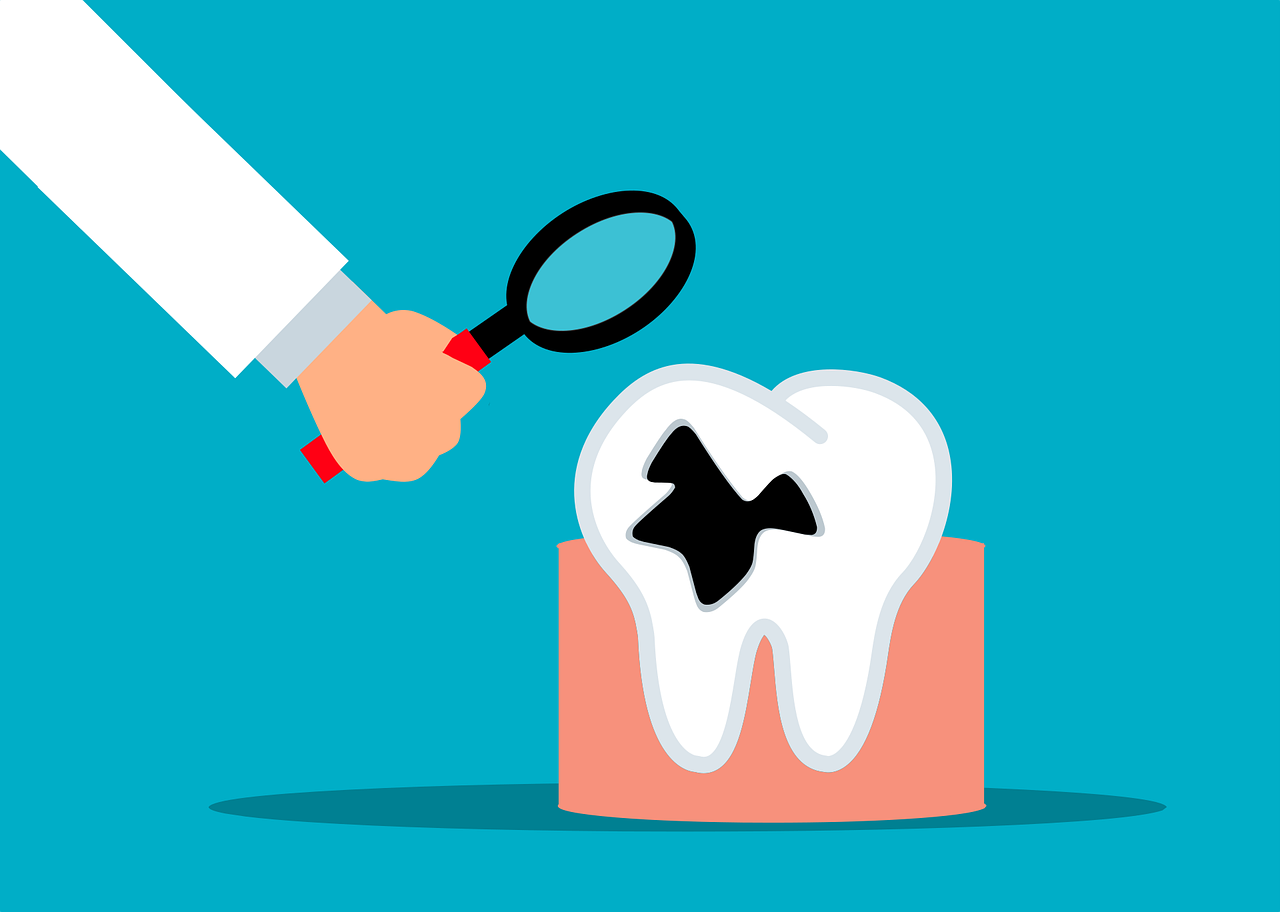

Feeding Strategies to Reduce Plaque in Cats
Dental health in cats is remarkably essential, as it directly influences their overall health and well-being. One effective strategy to combat plaque buildup is to make intentional choices about what to feed your cat. A diet specifically designed for dental health often includes kibble with a larger size or special textures that promote chewing. Such foods help scrape off plaque during your cat’s eating sessions. Incorporate high-quality protein sources as they not only provide nutritional benefits but also can reinforce good dental hygiene practices. Consider foods formulated with additional dental hygiene claims, such as enzymes or agents that target plaque reduction directly. Always consult with your veterinarian before making drastic changes to your cat’s diet or introducing new products. Clear communication will ensure that the selected feeding strategies align well with your pet’s unique health needs. In addition, don’t forget that proper hydration is just as crucial. Fresh water can assist in maintaining oral health, so ensure that your cat always has access to it. A combination of thoughtful feeding and regular veterinary checkups will contribute to your cat’s healthy teeth and general vitality.
Regular dental checkups are vital for sustaining your cat’s oral health. Scheduling regular vet visits allows for professional cleanings and early detection of dental issues before plaque builds up further. During these visits, your veterinarian can check for signs of gum disease or tooth decay, offering tailored recommendations based on your cat’s conditions. Inquire about dental treats or chews that have been clinically proven to reduce plaque and tartar. Many of these products are designed with the specific purpose of improving dental hygiene and are available in various flavors. Selecting approved treats can be an effective part of your cat’s dental health routine, ensuring that they enjoy the process. Furthermore, teaching your cat to enjoy dental care can significantly ease the process, making it a fun activity instead of a chore. Starting slowly and allowing your cat to approach their new brush or dental tools at their own pace will foster a positive attitude toward dental care. Additionally, consider incorporating dental toys that encourage chewing, stimulating your cat while promoting oral health. These toys can play a dual role in keeping your cat engaged while also assisting in maintaining plaque-free teeth.
Homemade Nutrition Options
Introducing homemade feeding options can provide numerous advantages in managing your cat’s dental health. Customizing your cat’s meals allows for enhanced control over the ingredients and can promote dental hygiene satisfaction. When creating homemade meals, focus on incorporating fresh ingredients that are not only nutritious but also promote good oral health. Including crunchy vegetables like carrots can help naturally scrape plaque as your cat chews. Furthermore, consider proteins like chicken, fish, or turkey to create balanced meals; these options can also be easier for your cat to digest. Although preparing homemade meals requires time and effort, the benefits to your cat’s dental health can be substantial. Additionally, consult your veterinarian for recipes or ingredients beneficial for your pet’s dental health. An appropriate mix of nutrients will ensure your cat remains healthy, both in mouth and body. Alongside traditional meals, consider serving raw diets under professional supervision. Raw diets may offer dental benefits through natural chewing mechanics, leading to cleaner teeth while providing balanced nutrition. Always implement gradual changes to prevent digestive issues, monitoring your cat’s reactions with new ingredients closely.
Keeping a consistent feeding schedule can influence your cat’s dental health. Routine meal timing helps regulate their eating cycle, preventing incessant snacking, which could lead to an increase in plaque accumulation. When cats have constant access to food, they may develop poor eating habits, so managing mealtimes is crucial. Consider menu options with lower carbohydrate contents, as excess carbs can contribute to plaque development. Commercial dry cat foods often come with lower moisture levels, promoting chewing and stimulating salivation to help flush out food particles and bacteria. Additionally, serve treats sparingly and choose those designed for dental health, ensuring that they contribute positively to plaque control. Monitor how much treat intake affects their diet; overindulgence can lead to weight issues and balance problems. Regularly evaluate the amount of food your cat consumes, adjusting portions as necessary to maintain an ideal weight. Work with your vet to create a feeding plan tailored to your cat’s lifestyle and health requirements. In essence, establishing clear routines and choices regarding diet can ensure that they lead healthier lives with cleaner teeth, reducing dental issues caused by plaque.
Water intake and oral hygiene
In addition to diet, ensuring proper hydration is vital for maintaining optimal dental health in cats. Fresh, clean water not only supports general health but also promotes good oral hygiene. Cats can sometimes become dehydrated, which can lead to dry mouth and increase the risk of plaque buildup on their teeth. Providing fresh water daily ensures hydration while also benefiting their oral health. Consider utilizing water fountains that appeal to cats, encouraging them to drink more naturally, as moving water often entices them. Monitoring your cat’s water intake can signal health concerns, so stay vigilant with their consumption. An adequate amount of water consumption can facilitate saliva production, which plays a crucial role in preventing plaque formation. While not every cat enjoys drinking large quantities of water, incorporating wet food into their diet can improve their moisture intake substantially. When transitioning your cat to a wet or mixed diet, watch for their reactions, ensuring positive experiences. A balanced approach combining diverse dietary options with appropriate hydration strategies will further enhance their dental well-being and overall health.
Engaging your cat with routine dental care can make a significant difference in preventing plaque buildup. Consider introducing regular brushing sessions, ideally with specialized pet toothpaste designed for cats. Daily brushing is the most effective method to minimize plaque formation. If your cat is resistant, start by gradually introducing the toothbrush; allow them to get accustomed to this new activity. Next, gently massage their gums and teeth using your finger or a soft cloth before transitioning to a toothbrush. Always ensure the tools used are designed specifically for felines, as human dental tools may harm your cat’s unique dental structure. Building a positive routine around brushing can lead to significant improvements in your cat’s dental hygiene. Following each brushing session, reward your pet with praise or a dental treat to reinforce their progress and enjoyment. Encourage participation by offering a degree of autonomy, letting them explore the toothbrush while acclimating this new routine. Regular brushing can make a lasting impact on your cat’s dental health while deepening the bond between you and your furry friend. Prioritize diligent dental care and encourage these practices.
Conclusion
In conclusion, proactive feeding strategies to manage and prevent plaque buildup in your cat are indispensable for maintaining their health. Select dental health-specific food, provide a mix of dry and wet options, and consider homemade nutrition when appropriate. Address the importance of fresh water as part of their daily routine, ensuring hydration significantly impacts their dental health. Routine check-ups with a veterinarian allow for professional insights and treatment tailored to your cat’s unique needs. Incorporating dental toys, regular brushing, and engaging dental treats can significantly enhance their oral hygiene. Establishing a routine with positive reinforcement can transform dental care into an enjoyable experience for both you and your cat. Always investigate new dental care products backed by clinical studies to ensure they genuinely contribute to better plaque control. Adhering to these strategies will not only reduce plaque accumulation but can lead to long-term health benefits and happier lives for your pets. As a loving cat owner, embracing these practices needs consistent dedication and a commitment to their well-being. Thus, effective plaque reduction strategies will lead to healthier teeth and more vibrant lives for our feline companions.