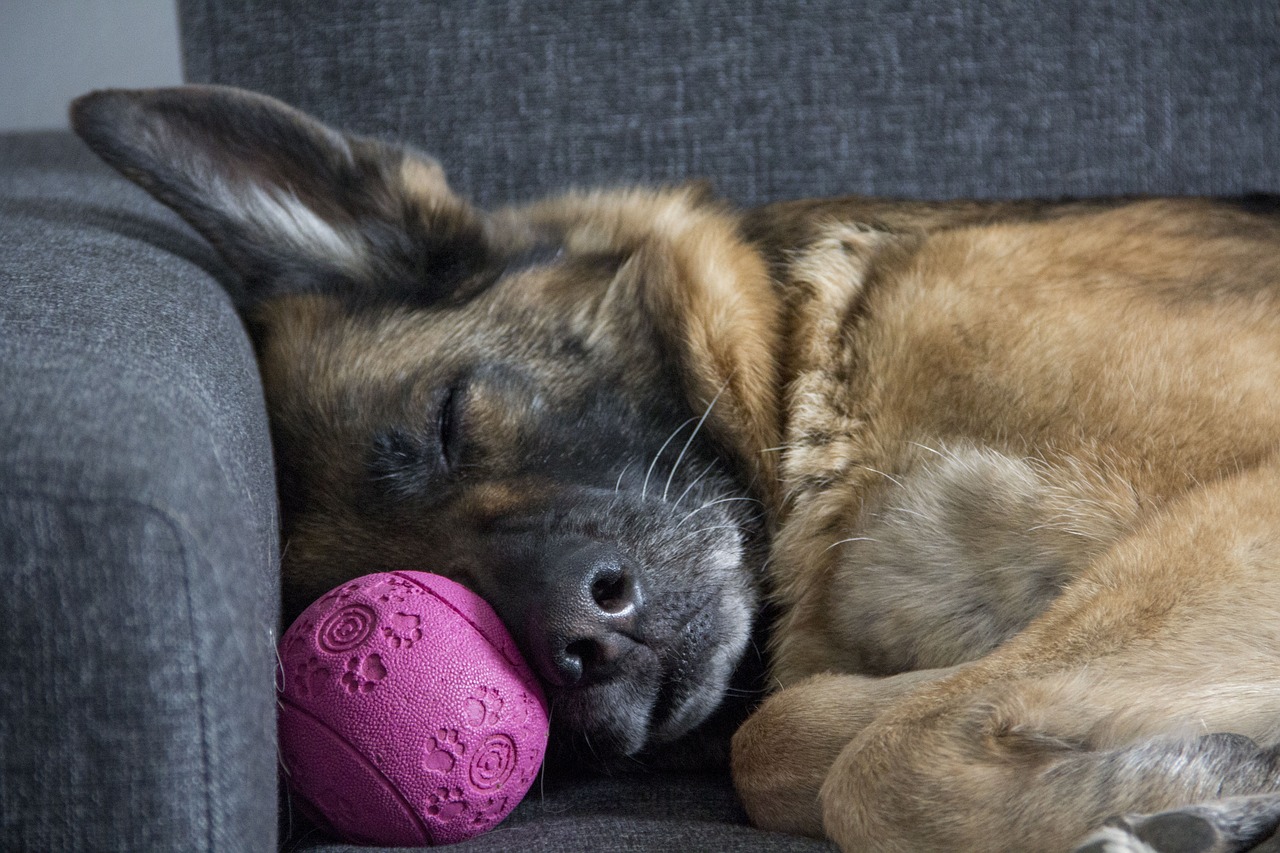

How Mental Stimulation Affects Your Dog’s Sleep Patterns
Understanding how mental stimulation influences sleep in dogs is essential for pet owners. Dogs, like humans, require adequate sleep for their well-being. Mental stimulation can greatly affect your dog’s sleep by affecting both their energy levels and patterns. Engaging your dog in activities that challenge their mind can lead to healthier sleeping habits. Lack of mental stimulation often leads to boredom and anxiety, which may affect sleep negatively. In contrast, adequate mental challenges can contribute positively to their overall health. Activities such as puzzle toys, obedience training, and interactive games can ensure that your dog has a fulfilling day. Furthermore, when dogs are mentally engaged, they tend to be more relaxed at night, resulting in better sleep quality. This is because their minds and bodies are appropriately tired. Ensuring your dog engages in different types of mental challenges can help foster a peaceful night’s sleep. Ultimately, fostering a routine that includes mental activities can lead to healthier sleep cycles and improved mood overall. Therefore, always look for opportunities to mentally stimulate your dog each day to improve their sleep patterns and daytime behaviors.
One significant factor that influences sleep is the level of physical activity your dog receives daily. Regular exercise is crucial for keeping your dog fit and healthy. However, it’s equally important to consider mental exercises. Incorporating mental challenges, such as problem-solving tasks, can significantly impact your dog’s energy levels and sleep duration. Activities that encourage thinking can help expend mental energy, providing a more balanced approach than physical exercise alone. Dogs that primarily engage in physical activities may find it hard to unwind, especially if they’re not mentally exhausted. Strategies like obedience training sessions, agility courses, or even scent games help provide the engaging stimulation necessary for better sleep patterns. Furthermore, understanding your dog’s breed can help tailor mental stimulation needs, as some breeds naturally require more intellectual challenges than others. Keeping your dog mentally engaged is just as vital as ensuring they get outdoor exercise. By striking the right balance between physical and mental activities, you’ll find your dog sleeping more soundly, leading to overall better health and behavior throughout their day. Consistent routine can also contribute greatly to regulating your dog’s sleep habits.
Effects of Stress and Anxiety
Mental stimulation can also play an essential role in alleviating stress and anxiety in dogs, affecting their sleep quality. Dogs that experience high levels of stress often struggle to relax, leading to restlessness during nighttime. Engaging your dog with stimulating activities can distract them from anxiety triggers, promoting a more peaceful state. Techniques like interactive feeding toys can keep your dog occupied, allowing them to focus on the task at hand rather than worrying about their environment. Moreover, providing structured mental challenges can instill a sense of routine and predictability, which reduces anxiety. Simple activities such as teaching a new trick or taking them through familiar obstacles can help boost their confidence levels. As a result, dogs can unwind more efficiently at night. Conversely, dogs that are not mentally engaged might find solace in disrupting their owners during sleep hours. Regular engagement through training and games ensures dogs find comfort in their daily lives. Consistency will ultimately foster an environment where dogs can sleep soundly and rejuvenate, positively impacting their overall mood and behavior the following day.
Introducing different forms of mental stimulation is vital for enhancing your dog’s quality of sleep. Various activities not only keep them engaged but also provide a healthy outlet for their energy and curiosity. Teaching tricks via positive reinforcement can be an enjoyable bonding experience. Additionally, interactive toys can provide endless possibilities for engagement while requiring problem-solving skills. Engaging dogs with other pups in training classes or group play sessions can also provide socialization opportunities while enhancing their mental faculties. All these factors contribute positively not only to their well-being but also to their sleep quality. It’s important to rotate mental activities to prevent monotony, as variety keeps dogs enthusiastic about learning and engaging. Dogs thrive on routine but also enjoy fresh and exciting challenges. A diverse selection of mentally stimulating activities ensures they remain interested and eager to participate. All these interactions can reduce the likelihood of anxiety-related sleep disturbances. So, consider mixing things up regularly, ensuring mental stimulation remains effective and beneficial to your dog’s health and sleep patterns.
Finding Each Dog’s Unique Needs
Every dog has unique needs when it comes to mental stimulation; understanding these needs is crucial for effective engagement. Factors such as age, breed, and temperament all play a role in determining how much mental activity a dog requires. Younger dogs often have higher energy levels and may need more intensive activities compared to older dogs who may prefer gentler, less demanding stimulation. For instance, exploring scent work can be incredibly engaging for active breeds, while puzzle toys might suit older or calmer dogs. Additionally, observing your dog’s behavior and preferences can help pinpoint which activities they truly enjoy. For some dogs, interactive games may be more appealing, while others might love a good training session. Another good strategy is to mix various activities to keep engagements fresh. Keeping mental stimulation diverse ensures you cater to your dog’s specific preferences, maximizing their enjoyment. A focused approach to understanding your dog’s needs can completely transform their energy levels while promoting better sleep quality. Thus, invest the time to explore and discover the best mental stimulation plan that suits your dog’s individual characteristics.
Making mental stimulation a part of your dog’s daily routine will set the foundation for better sleep patterns over time. Incorporating it into their schedule instills predictability, which dogs find comforting. At the same time, regular mental challenges ensure they do not become complacent or bored. Adding a few minutes of dedicated mental exercises each day can profoundly affect sleep quality. You might consider setting specific times for training, puzzle toys, or interactive play. Moreover, alternating activities during the week ensures that each session remains effective and fresh for them. This form of routine not only contributes to cognitive health but also allows your dog to sleep more soundly as their mental needs are being met regularly. Ultimately, a structured approach involves varying tasks and challenges to keep their minds engaged while also providing some downtime. By emphasizing both mental and physical engagement, you’re equipping your dog with tools for reducing anxiety and fostering relaxation. Ultimately, this means better sleep patterns and happier, healthier dogs overall.
Integrating Sleep Health with Play
Finally, it’s essential to understand the direct link between sleep health and quality play for dogs. While mental stimulation is important, ensuring your dog enjoys their playtime contributes significantly to their overall emotional and physical health. A fulfilling play session can advance both social skills and cognitive development. Dogs that experience positive interactions during play tend to show fewer signs of anxiety or stress, which can impact their sleep negatively. Incorporating playtime into your dog’s routine ensures they not only exercise their bodies but also stimulate their minds. Furthermore, quality interactions with both humans and other dogs can foster a sense of comfort and security, directly affecting their relaxation levels at night. Your dog is more likely to unwind after an engaging day filled with fun and stimulating activities. Thus, consider integrating regular play as part of your dog’s daily routine. Doing so will not only ensure deeper, more restful sleep but also contribute positively to their behavior and energy during waking hours. In conclusion, when both mental stimulation and play are effectively incorporated, they can lead to healthier sleep habits in dogs.
Understanding cognitive needs influences behavior and essentially improves sleep. Creating a meaningful schedule of activities can provide mental enrichment for dogs. Visualizing the relationship between stimulation and sleep is crucial to enhancing physical well-being. Implementing diverse strategies ensures that each day presents new challenges. By recognizing the importance of this dynamic, pet owners can create thoughtful routines that benefit sleeping patterns. Mental stimulation directly influences their ability to attain calmness during sleep. This knowledge empowers owners to tailor experiences specifically suited for individual pets. Applying these concepts can create a tranquil atmosphere promoting relaxation. In summary, ensuring proper mental engagement aligns with achieving restful sleep, resulting in a well-rounded dog. Treating dogs’ mental health with the same regard as physical health can enhance overall happiness and functionality. Therefore, always seek innovative methods to engage your dog; their sleep will benefit greatly in the long run.