How to Identify and Treat Gum Disease in Dogs Early
Gum disease in dogs is a serious issue that can lead to severe health problems if not identified and treated promptly. Recognizing early signs is crucial for ensuring your dog’s overall well-being. Start by observing your dog’s behavior closely; notice any changes in eating habits or reluctance to chew. Bad breath is often a clear indicator of dental problems, including gum disease.
Look for signs of red or swollen gums during your regular check-ups. If your dog’s gums appear darker than normal or bleed easily when touched, it’s time for veterinary evaluation. Additionally, examine the consistency and color of your dog’s saliva. If the saliva is excessively foamy or contains blood, urgent intervention is necessary. Maintain a routine of dental checks at home; regularly inspect your dog’s mouth for plaque or tartar buildup. These are often precursors to gum disease. Remember, consistent dental care is vital. Annual cleanings by a veterinarian should be considered alongside daily care and preventive measures. Always consult your veterinarian if you see these symptoms as they can provide the best-best-care for your furry friend.
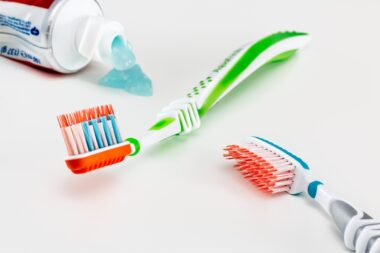
Preventing gum disease begins with establishing a proper dental care routine. Regularly brushing your dog’s teeth plays a significant role in this. Use a toothbrush and toothpaste specifically designed for dogs. Start slowly, allowing your dog to get accustomed to the process, and gradually increase the frequency to at least two to three times per week. Complement brushing with dental chews that can help remove plaque and tartar buildup, providing an additional layer of protection. Additionally, introducing dental-friendly wet foods can also contribute positively to your dog’s oral health.
Monitor your dog’s weight and overall health; obesity can exacerbate dental problems. Reducing sugar intake and providing a balanced diet rich in nutrients ensures better oral health. Offer chew toys that promote healthy teeth and gums, crucial for preventing gum disease. Developing a relationship with your veterinarian will ensure regular dental evaluations; address specific care tailored to your dog’s needs. Don’t ignore any abnormalities such as excessive drooling that could indicate pain or discomfort, as these symptoms require prompt action. The earlier you act, the healthier your dog’s teeth and gums will remain.
Recognizing Advanced Signs of Gum Disease
If you notice more pronounced symptoms, it might indicate advanced gum disease or periodontal disease. Signs include persistent difficulty in eating or chewing, swollen gums, or losing teeth. Often, dogs may exhibit more signs of discomfort, such as pawing at their mouths or showing unusual aggression. In severe cases, dogs may develop systemic health issues like heart or kidney problems due to untreated dental disease.
At this stage, professional dental cleaning becomes imperative. Your veterinarian may suggest diagnostic tests to assess the extent of the disease and tailor treatment accordingly. Expect to hear about options, which may include medications, tooth extractions, or surgical intervention. Always ask for clarification and be proactive by discussing any concerns you have about the procedures involved. Additionally, providing your dog with ongoing dental support after treatment is crucial. Follow-up visits should become part of the routine to ensure that the dog’s oral health remains on track. Regular monitoring at home allows you to catch any signs early, promoting an overall sense of well-being for your beloved pet.
Treating gum disease in dogs usually requires a multi-faceted approach that includes dental cleanings and effective home care. Once the veterinarian diagnoses gum disease, scheduling a professional cleaning is often the next step. This process may involve scaling and polishing, which helps in removing plaque and tartar buildup that are difficult to manage at home. After the initial cleaning, the veterinarian may advise continuing dental care at home to prevent future occurrences.
Consider switching to specially formulated dental diets that help promote oral health, combined with routine brushing and chew toys designed for dental care. If other health issues persist, such as bad breath or inflammation, additional medications may be prescribed. Following your veterinarian’s instructions on post-treatment care is essential to achieving lasting results. Remember, gum disease is often preventable, and you can make a significant difference in your dog’s dental health through vigilance and care. Engage with your pet during dental routines—this will help them associate these activities with positive reinforcement. Stay informed about dental care options, ensuring your furry friend stays pain-free and enjoys a healthy mouth throughout their life.
Importance of Regular Veterinary Visits
Regular veterinary visits are paramount for ensuring that your dog’s dental health remains optimal. Discuss preventative strategies with your veterinarian during your pet’s wellness checkups. These professionals offer invaluable insights into oral health management, catering specifically to your dog’s breed and age. Early detection of gum disease is vital and will help in implementing timely interventions.
Your veterinarian can assess the need for professional cleanings and guide you on at-home care techniques. Having a scheduled dental checkup allows for thorough oral evaluations, which may showcase any developing issues before they escalate. Between visits, keeping an eye on changes in behavior surrounding food and routines can help catch problems. By being proactive in your dog’s dental care, you can significantly lower the risk of advanced gum disease developing. Consistency is key; maintain regular follow-ups and incorporate dental hygiene into your dog’s everyday routine. This dedication directly contributes to your furry friend’s overall longevity and health, enhancing their quality of life. Stay proactive, ensuring that your beloved dog enjoys a healthy, happy lifestyle devoid of painful dental issues.
Innovative products are emerging for better dog dental care, making it easier for pet owners to enhance their dog’s oral health. Nowadays, dental wipes, sprays, and edible dental chews help facilitate care without the need for traditional brushing. These options are especially helpful if your dog resists the usual brushing routine. Exploring these alternatives can promote continued interest in maintaining your pet’s oral hygiene.
Some products feature active ingredients that combat plaque and tartar, effectively neutralizing bad breath while providing enjoyable experiences for the dog. However, always consult your veterinarian before beginning any new dental regimen or incorporating products into your dog’s routine. Read product descriptions carefully, focusing on ingredients designed for dental health. Engaging your dog in a fun approach can ease the process and build a stronger bond between pet and owner. Check reviews and seek recommendations from fellow dog owners to find the best products suited to your dog’s unique needs. Your efforts will not only boost your dog’s dental health but also create a happier, more vibrant pet. Ultimately, it’s the combined approach of professional care partnered with efficient home practices that yields the best results.
Finally, remember that all dogs are unique and may respond differently to various dental strategies. A tailored approach is essential. Whether your dog is a small breed or a large breed, they may require different dental care. Speak to your veterinarian about breed-specific guidelines. Understanding the individual needs of your dog ensures you offer the best care possible. Incorporating dental care into their daily life will not only enhance their health but strengthen your connection with your furry friend. Regular updates about their oral condition will keep you informed and prepared, allowing you to adapt routines accordingly. As your dog ages, remain vigilant, as older dogs may experience gum disease more frequently. Early intervention can greatly improve prognosis. Emphasizing oral health not only prevents pain but can also provide a happier, healthier lifestyle for your canine companion. Always remember that your proactive involvement in your dog’s dental health contributes significantly to their overall well-being. Make it a priority to maintain effective dental care, and you will reap the rewards of a joyful, healthy dog for years to come.
Your dog’s well-being is tied to their oral health; act promptly to prevent gum disease. Through routine checks and establishing an effective dental care regimen, you can enhance your dog’s quality of life. An attentive approach is vital, as this ensures that dental issues are identified early. Engage with your veterinarian about suitable care strategies tailored specifically for your dog’s needs. Every small step contributes to a healthier future for your beloved friend.