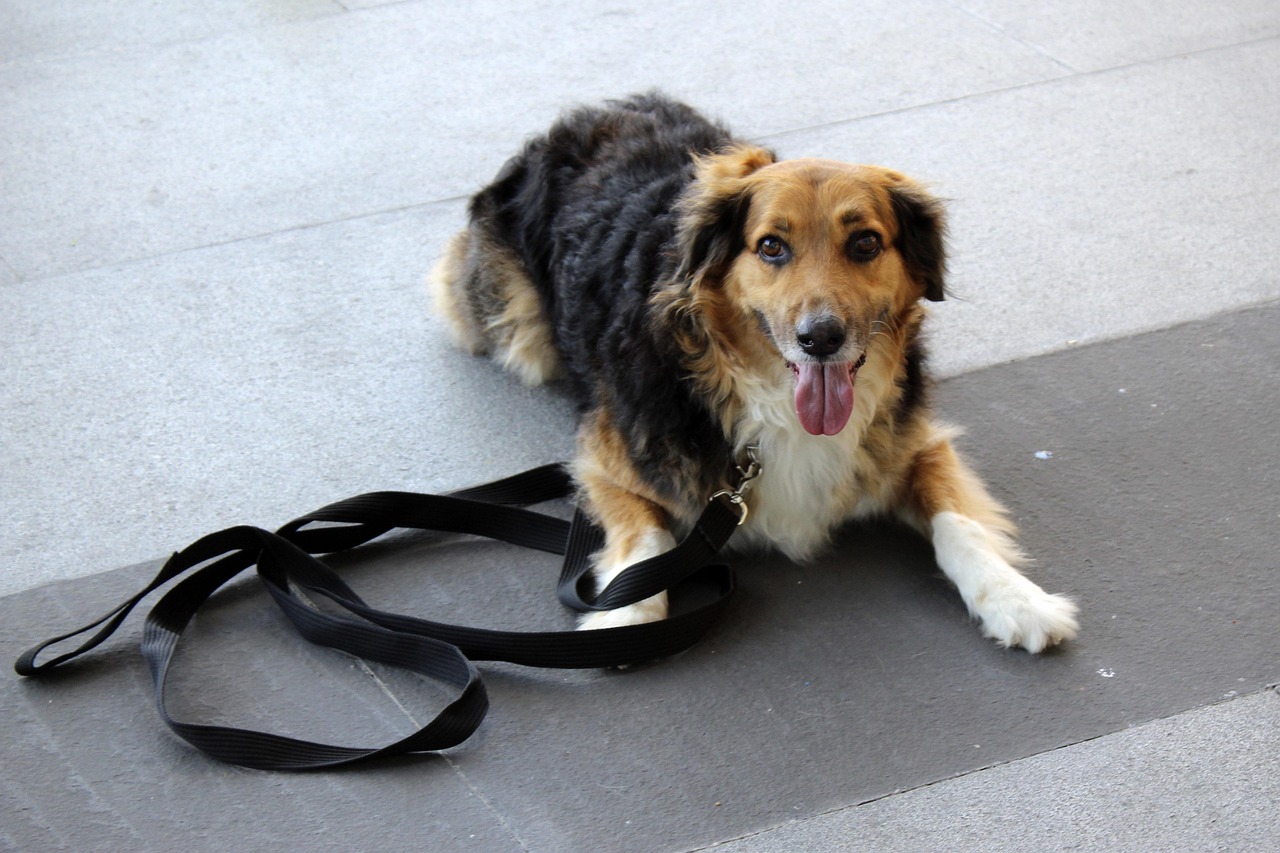

How to Use Positive Reinforcement to Curb Dog Chasing Behavior
Chasing behavior is a common issue among dogs, often driven by their natural instincts. Dogs may chase moving objects, such as cars, bicycles, or even smaller animals. This behavior can lead to dangerous situations for your dog and others. Thus, implementing positive reinforcement techniques is crucial in addressing this problem. When approaching a dog with a tendency to chase, ensure you remain calm and patient. Create a safe environment where distractions are minimized. Positive reinforcement involves rewarding your dog for good behavior. This means you will need treats, praise, or toys as incentives during training sessions. The goal should be to redirect their focus from chasing to more appropriate activities. Training requires consistency and repetition. Over time, you will notice improvements in your dog’s behavior. Engaging in structured activities can also keep your dog mentally stimulated, further reducing the desire to chase. The key is to ensure that your dog learns that being calm and obedient leads to positive outcomes. This will help them navigate through encounters with distractions safely. In conclusion, employing positive reinforcement effectively addresses chasing behavioral issues in dogs.
Understanding the reasons behind your dog’s chasing behavior is also essential. Many dogs chase due to boredom, excess energy, or lack of training. To help your dog, provide plenty of physical and mental stimulation. Regular exercise is vital to eliminating pent-up energy. Activities like walking, running, or playing can significantly reduce the urge to chase. Interactive games and puzzle toys can also engage your dog’s mind. Learning commands such as “leave it” will be beneficial. This command allows you to divert your dog’s attention from potential distractions. Begin practicing this command in distraction-free environments. Gradually increase the challenge by introducing mild distractions before tackling more significant triggers. Consistency is key. Regular training sessions help reinforce their understanding. When your dog successfully obeys the command, reward them immediately. This way, they associate good behavior with positive reinforcement. Patience is crucial in this process; enforcing commands may not yield instant results. Instead, celebrate small victories along the way. As your dog learns to control their impulses, their chasing behavior should decrease. Ultimately, maintaining a close bond through training and play will create a more well-behaved dog.
The Role of Consistency in Training
Consistency in training is vital when addressing your dog’s chasing behavior. Each training session should be structured and repetitive. Dogs thrive on routine and structure, which helps them understand the expected behaviors. Therefore, establish a schedule for training activities, making them a regular part of your dog’s day. Moreover, all family members must adopt the same training strategies. Mixed signals can confuse your dog, making training less effective. Enlist everyone in your household to participate in reinforcing positive behaviors. Equally important is to set clear boundaries. For instance, if your dog chases after the mailman, create a controlled environment where they’re leashed during deliveries. This ensures safety and employs your chosen training methods effectively. Incorporating hand signals and vocal commands can facilitate better communication between you and your dog. Develop a unique set of commands that everyone uses consistently. Reinforce these commands through regular training. Over time, your dog will learn to respond appropriately. Additionally, remember to be patient and celebrate every small improvement. This builds confidence in your dog while strengthening your bond. Achieving a well-mannered dog is possible with dedication and consistency.
Incorporating play into training sessions can also enhance your dog’s learning experience. Engaging playtime not only strengthens your bond but can also redirect your dog’s attention away from chasing behavior. Choose a variety of toys that your dog enjoys, such as balls or tug ropes. Use these toys as rewards during training sessions, thus creating a positive association with obedience. When your dog successfully refrains from chasing, immediately reward them with praise or a toy. This positive reinforcement teaches them that ignoring distractions leads to enjoyable experiences. Additionally, explore interactive activities like agility training, which keeps dogs engaged and physically active. Agility training demands focus and fosters self-control, further reducing impulsive chasing behaviors. Another option is to schedule playdates with other dogs, allowing your pup to expend energy in a controlled environment. Regular socialization helps dogs learn boundaries while enhancing their confidence. Ensure that these interactions happen under supervision, especially if your dog has a history of chasing. Ultimately, the combination of play and consistent training strategies will contribute to diminishing your dog’s need to chase. Consistent practice leads to long-term behavioral transformation.
Utilizing Environment Management
Managing your dog’s environment is equally crucial in addressing chasing behavior. Consider the environments where your dog is most likely to exhibit this behavior. If your dog tends to chase when outside, utilize physical barriers, such as fences, to limit their exposure to potential triggers. Ensure that your yard is securely fenced to avoid any escapes while still allowing for outdoor enjoyment. Training your dog to remain within the bounds of your property will ultimately provide both safety and comfort. Additionally, during walks, use a leash or harness to maintain control over your dog. The leash can serve as an effective tool to prevent chasing, allowing you to redirect their attention quickly. If seeing something particularly enticing, firmly hold the leash, redirect your dog, and use commands learned in training. Always reward compliance immediately after redirecting as it reinforces good behavior. This approach effectively teaches self-control. Continued exposure to pedestrians or vehicles while rewarding calm behavior will reduce the urge to chase over time. Lastly, consider limiting outdoor access during high-traffic times until your dog learns the appropriate responses to distractions.
Socialization is another essential aspect of curbing chasing behavior. A well-socialized dog is typically calmer and more adaptable in various situations. To enhance social skills, introduce your dog to different environments, people, and other animals. Begin gradually, as overwhelming situations can lead to anxiety and exacerbate chasing impulses. Seek controlled settings where your dog can interact without distractions. Enroll in obedience classes or dog parks, which help provide structured socialization opportunities. During these interactions, supervise closely, particularly if engaging with smaller pets. Observing appropriate behaviors allows you to reinforce positive habits early. Moreover, utilize training sessions to teach your dog to focus on you rather than distractions in the environment. Shade areas with friends or other dogs help encourage positive associations while minimizing chasing behavior. Always reward good behavior with treats or praise. Remember that socialization is a continuous process. Consistently exposing your dog to new experiences will lead to well-adjusted behavior over time. Eventually, well-socialized dogs require less reassurance and are less likely to engage in chasing when confronted with tempting triggers. This overall approach leads to meaningful improvements in your dog’s behavior.
Conclusion and Long-term Success
In summary, addressing your dog’s chasing behavior effectively is achievable with commitment and positive reinforcement techniques. A combination of structured training, environment management, and socialization will lead to noticeable improvements over time. Focus on identifying triggers that lead to chasing behavior in your dog. Develop a personalized training approach that incorporates their unique reactions. Ensure consistency in training strategies among all family members. Gradually increase the complexity of distractions during training sessions to enhance your dog’s learning. Remember to celebrate small victories, as this strengthens your bond and motivates both you and your dog. Additionally, prioritize regular exercise and mental stimulation through play and interactive toys. The more engaged your dog is, the less likely they will feel the need to chase. Lastly, appreciate that change takes time. Be patient with your dog, as each small step contributes to long-term success. With perseverance and the implementation of these strategies, you can enjoy a well-behaved dog that no longer feels the urge to chase. A harmonious relationship is within reach, leading to fun and safe outings together.