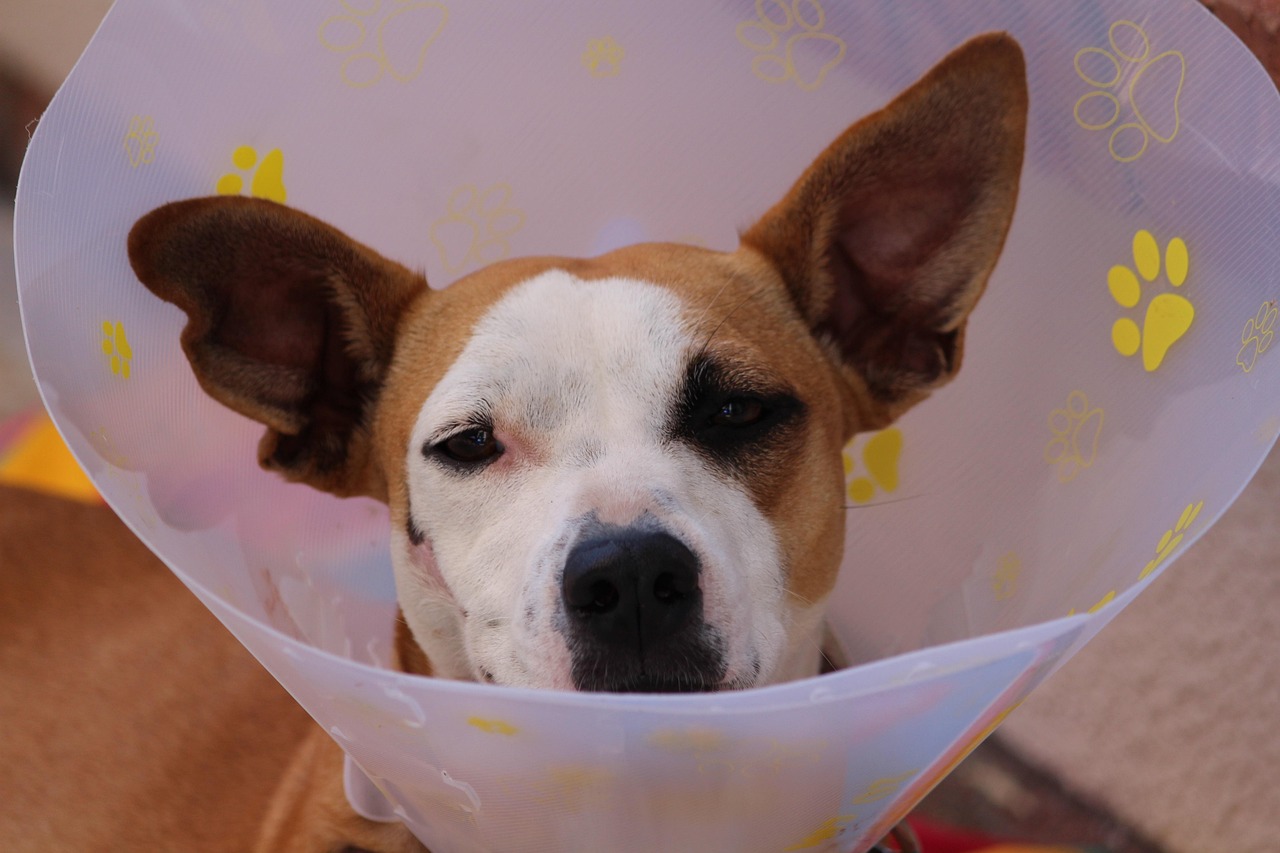

Recognizing and Treating Ear Injuries in Dogs in the Wild
Ear injuries in dogs can often go unnoticed until they lead to more serious issues. While enjoying outdoor activities, it is essential for pet owners to be vigilant about any signs indicating ear problems. Dogs can suffer from injuries due to thorny bushes, insect bites, and even sporting activities that might cause scratches or wounds in their ears. Knowing how to recognize these injuries can help protect our beloved companions. Owners should regularly check their dog’s ears, especially after hikes or outings in nature. Watch for any swelling, redness, or unusual odors, which may indicate an infection or injury. Additionally, observe your dog’s behavior; if they’re shaking or scratching their ears excessively, it may require immediate attention. Keeping a first aid kit equipped with essential supplies like sterile gauze, antiseptics, and a saline solution will help you manage minor injuries. Being proactive can save your pet from unnecessary pain and complications. Also, if you identify persistent issues, consult with a veterinarian promptly to ensure proper care and treatment are administered.
To adequately treat ear injuries in dogs while outdoors, knowing the first aid steps is crucial. If you notice any symptoms indicating an ear injury, gently clean the surrounding area with a soft cloth. Always be careful not to insert anything into the ear canal, as this can cause additional harm. Using saline or a vet-approved antiseptic solution can help clean the area effectively. Apply gentle pressure if there is any bleeding and use sterile gauze to dress any visible wounds. Monitor your dog for signs of discomfort and try to keep them calm. As difficult as it might be, refrain from letting your dog scratch or shake their head excessively to prevent worsening the injury. Information such as the dog’s breed, the time of occurrence, and symptoms is vital for the veterinarian. All these details can assist in diagnosis and treatment. If symptoms persist or worsen despite first aid treatment, seek veterinary care immediately. Early intervention is paramount for prompt healing. Regular inspections of the ear’s health can dramatically reduce the chances of severe injuries occurring.
Understanding Ear Anatomy in Dogs
To effectively recognize ear injuries, it is essential to understand the anatomy of a dog’s ear. The dog ear consists of three main parts: the outer ear, the middle ear, and the inner ear. The outer ear includes the visible part known as the pinna, which can be susceptible to injuries. This pinna gathers sound waves and directs them into the ear canal. The ear canal itself can harbor foreign objects, leading to infections or injuries if not monitored closely. Furthermore, the middle ear connects to the throat via the Eustachian tube, and an injury here can impact a dog’s hearing and overall health. Lastly, the inner ear hosts the essential balance organs, playing a critical role in a dog’s coordination. Understanding this complex anatomy can assist you in identifying the impact of potential injuries. Observations regarding your dog’s behavior after an injury may also guide you in understanding the extent of damage. Always consider the full anatomy when seeking treatment, as the ear is interconnected and issues can span multiple areas.
When assessing the severity of an ear injury, specific signs can indicate a need for emergency care. Excessive bleeding, discharge, intense foul odor, or visible swelling should alert pet owners to seek immediate veterinary assistance. Moreover, behaviors such as painful whining, extreme head shaking, or lack of appetite may suggest profound pain or potential infection. Dogs naturally hide their discomfort, making attentive observation essential. Taking note of any behavioral changes or abnormal activities can prove beneficial in assessing the injury’s severity. Additionally, keep an eye on any signs of fever or lethargy, which can accompany severe infections. If you suspect a ruptured eardrum or deep tissue damage, avoid any home remedies, as they may worsen the situation. Instead, promptly visit a veterinary professional equipped to handle such cases. Providing as much information as possible to the veterinarian, including time of onset and visible signs, will enhance treatment outcomes. Remember, it is always better to err on the side of caution regarding your pet’s health. Timely intervention can lead to quick recovery and minimize complications.
Preventing Ear Injuries During Outdoor Activities
Preventing ear injuries in dogs requires a proactive approach, especially during outdoor activities. When hiking or exploring, keeping your dog on a leash can reduce the risk of sudden movements that could cause injuries. Additionally, dog owners should ensure that their pets are groomed regularly, as loose hairs can sometimes lead to irritation or infections. Choosing appropriate environments for outdoor activities that avoid dense thickets or areas with sharp sticks can protect your dog from potential injuries. Additionally, awareness of your dog’s behavior can be a preventative measure; observing where they sniff or explore allows you to intervene just in time. If swimming is part of your outdoor adventures, ensure that your dog’s ears dry thoroughly to prevent waterborne infections. After every trip, conduct a thorough check of your dog’s body, focusing on the ear area. Considering using protective gear, like dog ear muffs, especially in extreme weather conditions. Taking these precautions can significantly minimize the risk of ear injuries occurring during outdoor adventures, ensuring an enjoyable experience for both the owner and the dog.
After an outdoor adventure, it is vital to maintain a regimen in checking your dog’s ears. Establish a routine for ear cleaning involving gentle inspections at home with vet-recommended methods. Use a soft cloth or cotton ball to clean around the outer ear. Avoid using cotton swabs, as they can push debris into the ear canal, possibly causing injuries. Further, if your dog swims frequently, consider investing in drying solutions that help absorb moisture from the ear canal. Keeping the ears dry is essential in preventing infections. Additionally, monitoring any changes in your dog’s behavior concerning their ears is paramount; any signs of discomfort should prompt immediate attention. Observing cleanliness around the ear area can help prevent the accumulation of dirt and wax buildup. If you find persistent debris despite regular cleaning, consult your veterinarian. They can recommend suitable treatments or cleaning solutions for your dog’s specific needs. By maintaining a consistent care routine, you can greatly extend the health of your dog’s ears, safeguarding their comfort and wellbeing after outdoor escapades.
Seeking Professional Help
Ultimately, knowing when to seek professional veterinary assistance can save a dog’s life. If symptoms of ear injuries become severe, a veterinarian’s insight is critical for accurate diagnosis and treatment. Signs such as persistent pain, swelling, or bleeding require your immediate action. In cases where your dog has difficulty maintaining balance or seems disoriented after an ear injury, it can indicate a deeper issue that needs to be addressed without delay. A veterinarian may perform various diagnostic tests, such as ear swabs or imaging studies, to determine the ear’s health. This comprehensive approach ensures that any possible complications are promptly recognized and treated. Furthermore, a veterinarian can establish appropriate injury management plans, including pain relief and prevention of future issues. Providing a thorough account of what happened during outdoor excursions can furnish valuable context for the veterinarian. Following through with follow-up appointments and adhering to prescribed treatments is equally important. Prioritizing preventive care lays the groundwork for healthier alternatives and ensures your dog’s happy outdoor experiences.
By being aware of proper treatment and preventative measures, outdoor adventures with your dog can remain joyful experiences. Understanding your dog’s anatomy, keeping a watchful eye, and establishing streaks of good ear health routines play pivotal roles in ensuring your pet does not experience ear injuries. Therefore, pet owners must be part of their dog’s lives in an authentic way. Exercising caution while exploring natural settings, being aware of potential risks, and taking action when necessary can maintain your dog’s ear health and overall well-being. Through open communication with your veterinarian regarding any concerns ensures that your dog receives the most attentive care possible. Timely intervention can transform minor issues into manageable situations, ultimately enhancing your dog’s quality of life. Moreover, supporting your dog’s exploration of the outdoors in a healthy way promotes happy and enjoyable moments for both owners and their furry companions. Use the strategies outlined to keep your dog’s ears free from trouble and enjoy nature together, ensuring all adventures are safe, fun, and memorable.