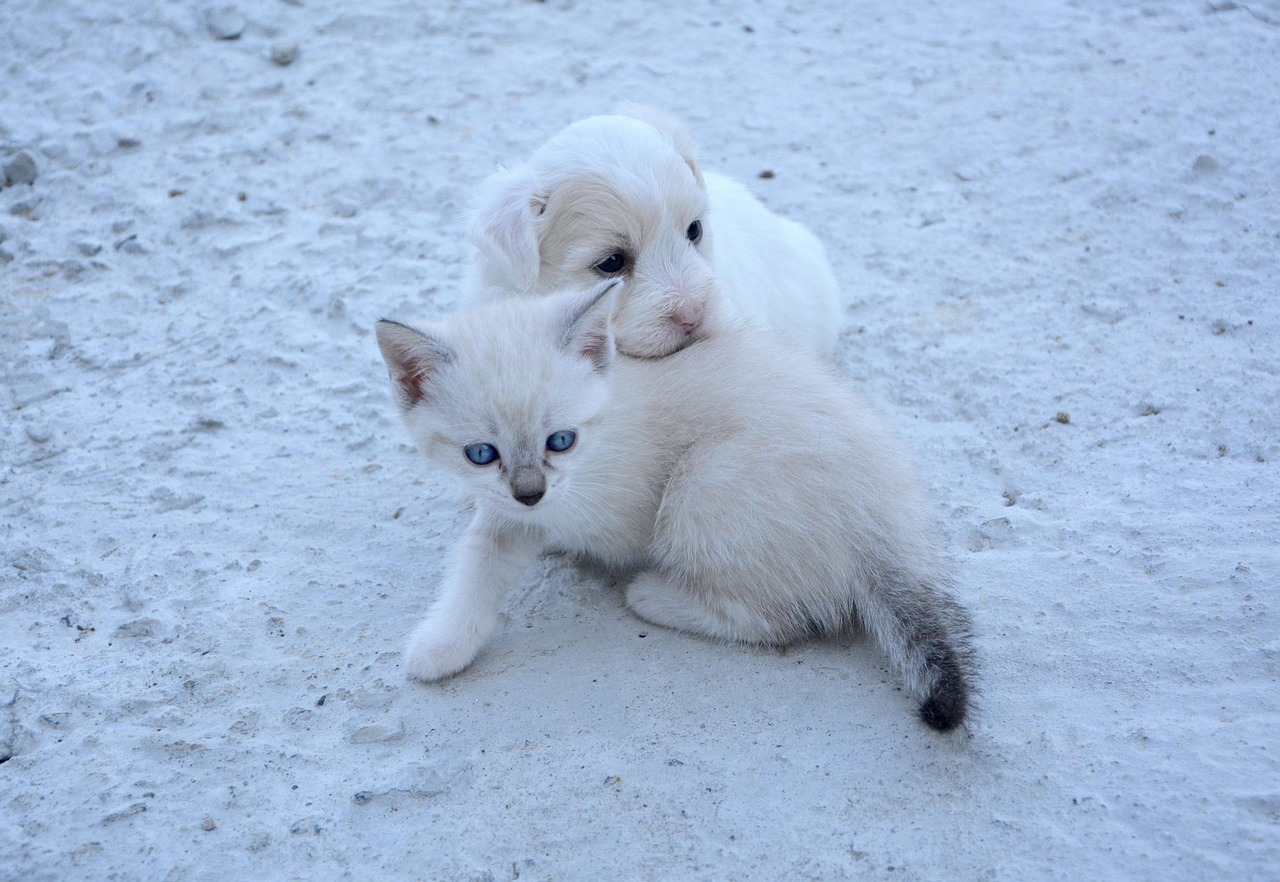

Signs of Stress in Cats When Living with Dogs and Other Pets
Living harmoniously with different pets can be challenging, especially when cats are involved. Cats, often viewed as solitary creatures, may feel threatened by the presence of dogs and other pets. Identifying stress in these situations is crucial for ensuring a peaceful coexistence. One of the prominent signs of stress in cats is excessive grooming. When feeling anxious or threatened, cats tend to over-groom themselves, leading to bald patches or skin irritations. Another behavioral change is hiding; stressed cats often retreat to quiet, secluded areas where they feel safer. If your cat stops eating or drinks less, that could also point to stress, as a loss of appetite is a common reaction to anxiety. Additionally, vocalization changes, such as increased meowing, can signal discomfort or fear. To help your cat adjust, consider providing a safe space away from other pets. Observing these signs closely allows pet owners to address the underlying issues, ensuring that their cat’s emotional health remains stable and safeguarded in a multi-pet household.
Physical signs of stress can also point to deeper emotional distress in cats living with dogs and other pets. One noticeable indicator is the cat’s posture. When a cat feels threatened, it may exhibit a crouched posture, tuck its tail, or flatten its ears against its head. These visual cues can be accompanied by dilated pupils and rapid breathing, indicating heightened anxiety. Another factor to consider is the cat’s litter box habits. A stressed cat might avoid the litter box or start eliminating outside of it, which could stem from feeling unsafe in its environment. Additionally, if a cat begins to exhibit aggressive behaviors towards other pets, it is a clear signal of stress and discomfort. Moreover, excessive scratching or clawing at furniture can occur when a cat is attempting to alleviate anxiety. By identifying these physical behaviors, cat owners can create an environment that minimizes stressors, ensuring a more harmonious setting for all pets involved. Acknowledge that each cat is unique, and adjusting to new pets may take time and patience on the owner’s part.
Understanding Cat Communication with Other Pets
Understanding the subtle communication methods that cats employ is essential in managing their relationships with dogs and other pets. Cats communicate through body language, vocalizations, and scents, which may be misunderstood by other animals, particularly dogs. For instance, while a wagging tail generally indicates happiness in dogs, it can signify agitation or defensiveness in cats. Paying close attention to these differences can help mitigate stress. Pheromones also play a significant role in feline communication. When a cat rubs against furniture or other pets, it is marking its territory, signaling comfort and safety. Conversely, other pets might misinterpret these signals as aggression or dominance. Furthermore, if a cat growls or hisses, it is vocalizing its discomfort; ignoring such signs can escalate conflicts. Drawing cats’ attention toward interactive toys can create positive interactions, easing tension. Owners should facilitate introductions between their pets slowly, allowing each animal to acclimate gradually. This understanding can promote a respectful interaction between cats and their canine counterparts, minimizing stress for both parties.
A key aspect of reducing stress in cats living with other pets is enriching their environment. Providing vertical spaces, such as shelves and cat towers, enables cats to escape and observe from a safer position. This allows them to feel secure while monitoring their surroundings. Additionally, interactive toys, puzzle feeders, and scratching posts can stimulate your cat’s mental and physical agility. These tools help distract the cat from potential stressors, such as dogs barking or other pets intruding on their space. A well-structured space allows cats to remain calm without feeling cornered. Regular playtime is also vital for reducing anxiety. Engaging the cat in interactive play helps reinforce the bond between pet and owner while alleviating boredom. Use toys that mimic prey, as this can satisfy their hunting instincts. Establishing a routine for both feeding and playtime brings predictability, further easing your cat’s anxiety. Additionally, practice patience as your cat navigates interactions with other pets, ensuring a balanced approach to coexistence followed by peaceful integration.
The Role of Supervision in Multi-Pet Homes
Supervision is paramount in multi-pet households to preclude any escalation of stress-related behaviors in cats. When introducing a new pet, particularly a dog, persistent observation is essential, as friction can occur quickly. During initial interactions, keep pets separated and gradually introduce them via scent swapping, where they get familiar with each other’s scents through bedding or toys. Being available to intervene when tensions arise is crucial for maintaining peace. If hissing or growling is detected from the cat, it’s a clear sign to redirect the dog or provide the cat with safe zones. Moreover, provide sufficient resources, including litter boxes, food, and water, to reduce competition and territorial disputes. This approach ensures each pet has access to what they need and lessens stress. Establishing safe retreats, such as cat trees or hidden spaces, allows relief from confrontational situations and excess noise. Furthermore, a calm environment promotes relaxation, fostering better interactions over time. Owners who maintain persistent supervision can create a more balanced habitat for pets, monitoring any signs of stress and addressing them promptly before they become problematic.
In addition to supervision, establishing consistent routines can significantly benefit cats living with dogs and other pets. Cats thrive on routine, as it provides them with a sense of security and predictability. Feeding times, playtimes, and quiet times should be consistent, giving the cat a clearer framework of what to expect each day. Moreover, ensuring that each pet knows its boundaries reinforces security and reduces stress. For instance, designating specific areas for certain pets to roam can help minimize territorial disputes and stress-induced skirmishes. Additionally, reward positive behavior during interactions, such as calmness or exploration, with treats or praise. This reinforces good relations among pets and encourages continued friendly interactions. Regular veterinary check-ups will also help assess health-related stressors contributing to a cat’s anxiety. If stress persists, consult a veterinarian to discuss calming supplements or behavioral modification strategies specifically designed for anxious cats. Overall, maintaining structure and positive reinforcement in daily activities can aid in relieving stress for cats, allowing for a more serene living atmosphere among different pets.
Recognizing Long-term Stress Symptoms in Cats
Recognizing long-term signs of stress is vital for protecting a cat’s well-being in multi-pet households. Chronic stress can lead to serious health issues, including obesity or kidney problems. A perpetually anxious cat may exhibit changes in its personality, such as increased aggression or withdrawal, which can be concerning. They might also engage in destructive behavior, like chewing on furniture or eliminating outside the litter box, as a way of coping. Continuous vocalizations, including yowling or excessive meowing, can become prominent as they communicate their discomfort. Monitoring changes in grooming habits is also important; less grooming can indicate depression, while over-grooming may lead to skin infections. Pay attention to eating and drinking habits as well, as a decrease in appetite can signal prolonged stress. If behavioral changes persist beyond a few weeks, seeking veterinary advice is crucial. A thorough assessment can rule out medical issues and lead to an appropriate intervention for a stressed cat. Owners should remain vigilant for these signs to ensure their pet is neither suffering nor feeling overwhelmed as it navigates life with other animals.
Finding proactive strategies to reduce stress in cats among other pets can significantly improve their quality of life. One effective approach is to create private zones in the home where the cat can retreat when feeling overwhelmed. These areas should be equipped with cozy bedding, toys, and possibly a small water dish, allowing the cat to feel secure. Additionally, providing a variety of enrichment activities, from interactive toys to scratching posts, boosts their mental and emotional health. Engaging in regular playtime helps channel their natural predatory instincts while fostering a bond between pet and owner. Furthermore, consider utilizing calming products such as pheromone diffusers or sprays, which can help reduce anxiety for both the cat and other pets. Also, ensure that the cat has its own litter box, far removed from dogs or other pets, to maintain a secure and stress-free environment. Comprehensive socialization efforts alongside proper introductions can yield better inter-pet relationships, reducing stress in the long term. Understanding feline behavior and implementing tailored interventions will contribute to an overall healthier and happier environment for both cats and their fellow pets.