The Role of Natural Flavorings in Improving Cat Supplement Acceptance
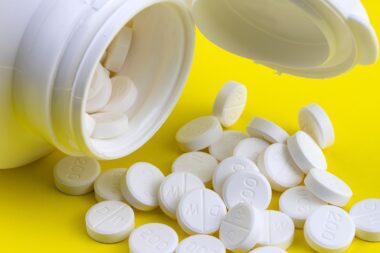
The acceptance of dietary supplements in cats often hinges significantly on their palatability. To increase compliance and ensure that cats consume the necessary nutrients, natural flavorings emerge as a vital solution. These flavorings, derived from natural sources, appeal to a cat’s taste preferences more effectively than artificial options. Since felines have a highly developed sense of smell and taste, appealing flavors can markedly enhance their willingness to accept these supplements. Moreover, studies indicate that cats prefer natural flavors, making them an excellent choice for formulators aiming to create supplements that are not just healthy but also enjoyable. The increased consumption of palatable supplements directly affects the overall health and well-being of cats, as consistent intake of the necessary nutrients shows a positive impact on their longevity and vitality. Therefore, investing in high-quality natural flavorings is essential in the formulation of cat supplements. This not only assists in improving diet compliance but also helps in making the feeding experience more pleasurable for pets. Cats are more likely to experience the benefits of health supplements when they accept them willingly, highlighting the importance of flavoring in pet nutrition.
Understanding Feline Taste Preferences
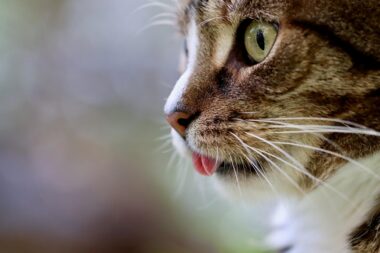
Understanding the unique taste preferences of cats is crucial for formulating supplements that they will readily accept. Unlike many other animals, cats are obligate carnivores, which means their dietary needs heavily lean towards meat. This dietary requirement also influences their flavor preferences. Cats are naturally attracted to meaty flavors, finding them more appealing than plant-based alternatives. The addition of natural flavorings that mimic these meaty tastes can significantly enhance the acceptance of dietary supplements. Common natural flavorings derived from animal sources, such as chicken, fish, or beef, tend to resonate well with felines. Moreover, it’s important to recognize that cats also have a heightened sensitivity to bitterness, making it essential to avoid using ingredients that might induce aversion. Understanding feline palatability preferences enables manufacturers to create products that align more closely with a cat’s natural instincts. In doing so, these supplements can provide the health benefits intended while also ensuring that they won’t be left uneaten in the bowl. Therefore, leveraging this knowledge about feline tastes is essential in the development of effective, accepted, and beneficial cat supplements.
Natural flavoring agents act as a bridge between the nutritional content of supplements and cats’ taste preferences. By improving palatability, these agents lead to higher consumption rates, thereby enhancing the overall effectiveness of the supplements. Many cat owners struggle with administering supplements due to their pets’ finicky nature. As a result, finding ways to incorporate essential nutrients into enjoyable treats becomes imperative. Flavorings from natural sources, such as bone broth or fish oil, can be infused into supplements to mask undesirable tastes while boosting attractiveness. These natural additives are not only flavorful but also provide additional nutritional benefits. Moreover, with a growing awareness of health and wellness, pet owners often seek products with a clean label. Natural flavorings align well with this trend, allowing manufacturers to create supplements that meet not only palatability challenges but also consumer demand for transparency. Consequently, it becomes important to select the right flavorings that not only appeal to cats but also reflect the standards that modern pet owners desire. Thus, when formulating supplements, the role of natural flavorings must not be underestimated.
The Influence of Texture and Aroma
In addition to flavor, the texture and aroma of a supplement play significant roles in a cat’s acceptance. The texture needs to be enticing, as cats often prefer a particular mouthfeel. Creamy or meaty textures are generally favored by felines, whereas gritty or chalky tablets may be rejected outright. Ensuring an appealing texture can significantly affect a cat’s willingness to consume supplements. Furthermore, the aroma profoundly influences a cat’s dining experience; a strong, pleasant smell can compel cats to approach and sample the supplement. Using natural flavorings can enhance aroma alongside taste, creating a holistic sensory experience. These can come from a variety of sources, including spices or herbs that are safe for feline consumption. By using natural agents, manufacturers can create tempting products that captivate the attention of cats while still promoting health. An appealing combination of taste, texture, and aroma can lead to a more successful and enjoyable experience for both the cat and its owner. Therefore, careful consideration of these factors is crucial in the production of effective supplements that improve overall health and compliance.
Formulating supplements that effectively integrate natural flavorings requires technical expertise and understanding of both animal nutrition and sensory preferences. Manufacturers must strike a balance between effective nutritional content and the sensory appeal that keeps cats returning for more. Research plays a pivotal role in determining which flavoring agents work best with specific nutrients. Additionally, testing products through feeding trials can provide valuable insights into a cat’s acceptance rates. This practical approach may involve observing how well a cat interacts with a supplement and gathering feedback from pet owners. Ingredient sourcing also becomes crucial; ensuring flavorings are made from high-quality, natural components enhances the likelihood of cats enjoying the product. These efforts contribute to the final product’s marketability; well-accepted supplements are more likely to succeed in a competitive category. Successful product formulation hinges on scientific, sensory, and palatable principles working together seamlessly. By combining these elements, it is possible to develop supplements that cater to both the health needs of cats and their unique sensory preferences. This approach ensures that products serve their purpose while remaining appealing to their intended users.
Additional Benefits of Natural Flavorings
The incorporation of natural flavorings into cat supplements not only enhances acceptance but also offers various other benefits. For instance, many natural flavorings come with their own additional nutritional advantages, helping to support overall health. Flavorings derived from meat sources provide not only taste but also protein, vital for muscle maintenance and overall energy levels. Furthermore, certain natural flavorings may also have health-boosting properties; for example, fish oil not only provides a pleasing taste but also offers essential omega fatty acids, supporting skin and coat health. The potential for added health benefits makes the inclusion of natural flavorings even more appealing from a functional standpoint. Many pet owners increasingly look for comprehensive solutions rather than products with just basic nourishment. Thus, products that combine palatability with health-enhancing properties are more likely to stand out on the shelves. By leveraging the advantages of natural flavorings, manufacturers can cater to the dual demands of flavor and nutritional value while increasing the attractiveness of their supplements across the board. This creates a win-win situation for both pets and their owners.
In conclusion, improving cat supplement acceptance through natural flavorings is a key factor that influences dietary compliance. Understanding feline taste preferences, enhancing texture and aroma, and incorporating nutritional value through flavors are critical to developing effective supplements. Pet owners are more likely to seek options that are not only healthy but also enjoyable for their cats. Investing in high-quality, natural flavorings offers significant returns in terms of product acceptance and overall pet health. With a greater emphasis on clean labels, natural additives align with the rising consumer demands for transparency and quality. The critical role of palatability should be prioritized in product formulation processes. Both manufacturers and pet owners benefit from enhanced palatability, leading to healthier cats that willingly consume their supplements. As the market for pet nutrition continues to evolve, focusing on natural flavoring choices offers a pathway for formulating successful, appealing products. Ultimately, bridging the gap between health and desirability is essential. Thus, those involved in cat supplement development would do well to prioritize flavors that cater to feline preferences and contribute positively to their overall well-being.