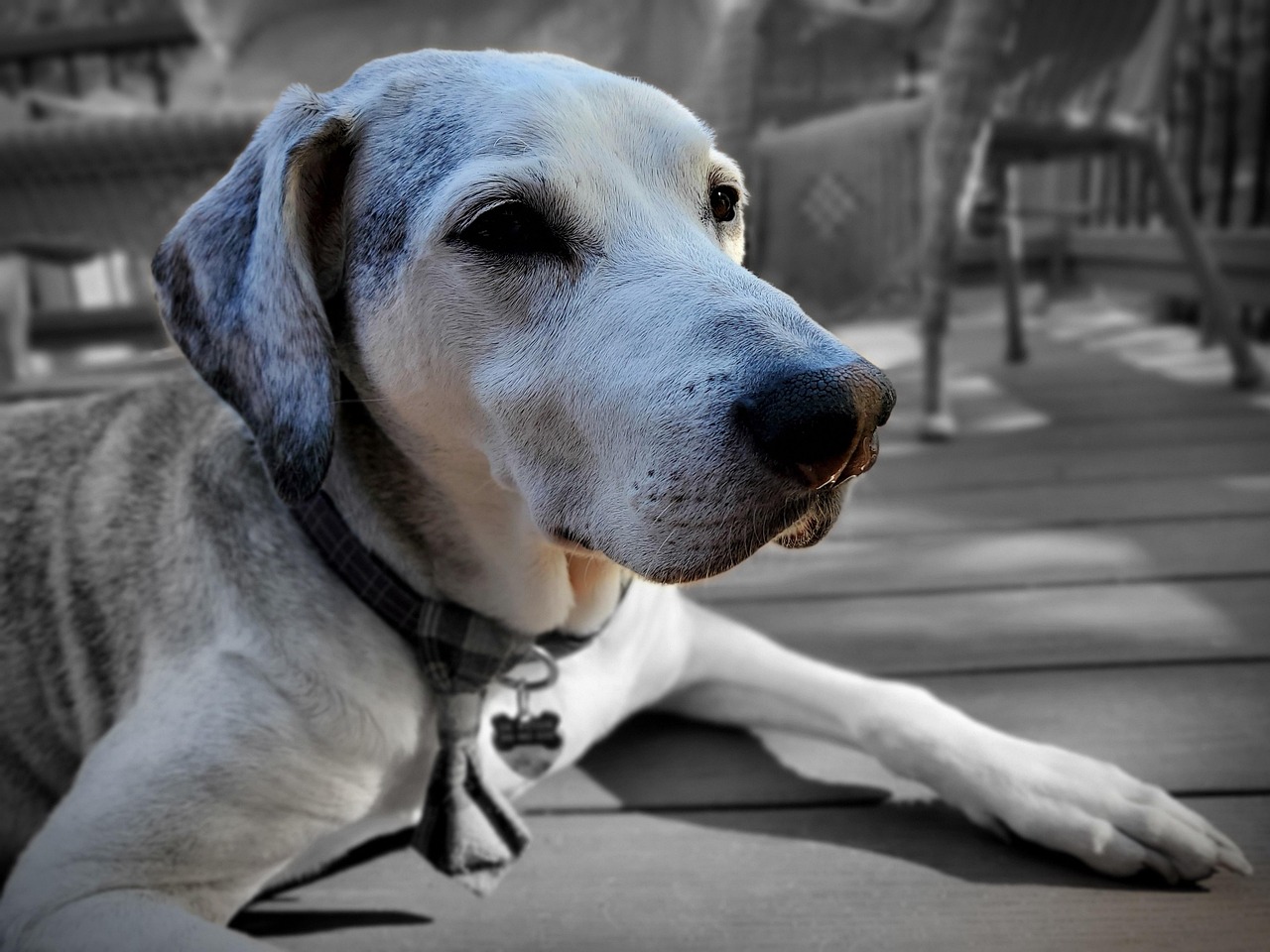

The Role of Warmth and Comfort in Pain Relief for Senior Dogs
Seniors dogs often face various health challenges, including chronic pain due to conditions like arthritis or joint problems. Managing pain effectively is essential for enhancing their quality of life. One method that pet owners can explore is providing warmth and comfort. Dogs naturally seek warmth to soothe discomfort, and their instinctual behaviors can guide owners in creating supportive environments. Warmth can help ease the stiffness in aging joints, reduce swelling, and promote better mobility in senior dogs. Various methods can be employed to provide warmth, such as heated beds, microwavable pads, or warm blankets. These options offer a sense of security and comfort, allowing older dogs to rest more comfortably. Emulating a warm environment can significantly help alleviate the psychological stress associated with chronic pain. Consequently, it’s advisable to observe which method your dog prefers, as individual preferences drive effectiveness. Providing warmth acts as a natural pain management option, and many dogs might respond positively, experiencing reduced symptoms. Consult your veterinarian regarding the best choices for your specific dog, ensuring their safety and comfort while implementing such interventions.
Another important aspect in pain management for senior dogs is creating cozy resting spots. Ensuring that your dog has a suitable resting area can enhance their comfort significantly. Soft bedding materials can help cushion their joints, reducing discomfort. Orthopedic dog beds are a great option as they provide adequate support for aging bodies. These beds minimize pressure points that older dogs may experience while lying down for extended periods. In addition to soft bedding, consider placing the bed in a warm area of the house, away from drafts. The choice of location plays a crucial role in ensuring your dog’s comfort. Strategic placement provides warmth and a sense of safety. Many senior dogs prefer being near their owners, so positioning their bed in common areas fits their social nature. Accompanying these efforts with gentle massage and physical therapy can further enhance their quality of life. Helping senior dogs maintain mobility is essential, and incorporating warmth in these practices can yield positive results. The combination of warmth and comfort creates an optimal environment that supports pain management and overall wellbeing in senior dogs.
Besides physical warmth, emotional comfort is equally vital in caring for special needs senior dogs. Dogs are incredibly sensitive to their environments, and emotional well-being influences their overall health. Strengthening the bond between a pet and owner is essential for combating feelings of insecurity. Providing love and companionship can alleviate anxiety related to health issues. Engaging in daily routines, such as gentle playtime or leisurely walks, fosters emotional support. Interaction, even in a limited capacity, encourages a sense of normalcy and joy in their lives. Establishing a calming presence during stressful times can help mitigate pain-related stress. Speak soft words of encouragement and use gentle petting to further soothe anxious dogs. Creating an inviting space where your dog feels safe helps establish a sense of belonging. Establishing consistent routines also offers predictability, reducing anxiety levels. Pet owners can utilize various soothing techniques, including calming music or anxiety wraps, to help manage stress and comfort senior dogs further. Their well-being hinges on emotional support, alongside pain management strategies, promoting a fuller life in their later years.
Additional Pain Management Strategies
Incorporating alternative therapies into your senior dog’s care plan can offer additional pain relief. Complementing traditional medical treatments with holistic options can optimize results. For instance, acupuncture and chiropractic adjustments have proven beneficial for some dogs battling chronic pain. Engage with certified professionals equipped to handle canine therapies in these areas. Additionally, essential oils can play a role, provided they’re safe for canine use. Specific oils, such as lavender or peppermint, can provide a calming effect when diffused nearby. Always consult with a veterinarian before introducing new treatments to ensure they align with your dog’s specific health conditions. Nutritional changes can also contribute to overall comfort. Supplements like omega-3 fatty acids can potentially decrease inflammation and improve mobility. They can augment traditional medication. Keeping a close eye on your senior dog’s behavior will provide insights into what works best for them. Remember to stay flexible, adapting strategies based on your dog’s evolving needs. Personalizing their care approach empowers pet owners to create a supportive program tailored to alleviate pain and promote comfort.
As we advocate for warmth, comfort, and emotional support, it’s crucial to monitor your senior dog’s reactions closely. Understanding how they respond to different comfort methods allows for adjustments necessary for optimal care. Track any changes in their behavior, mobility, and overall demeanor while gathering knowledge. Regular veterinary check-ups play an essential role in ongoing assessments. Veterinary feedback helps determine the effectiveness of implemented strategies and whether adjustments are required. Documenting these interactions provides helpful insights for future discussions about pain management techniques. Additionally, open communication with your vet allows for exploring new treatment avenues. Keeping good records helps trace progress and identify patterns over time. Furthermore, gathering insights from other pet owners can provide valuable perspectives. Engaging with senior dog support groups allows for exchanging experiences that could inspire new solutions. Socializing with fellow pet owners may reveal effective methods for pain management and comfort. Combining your observations with professional guidance creates a comprehensive care approach, benefiting your senior companion immensely. Support from your community enhances shared knowledge and can foster healthier aging for your beloved canine.
Conclusion: Prioritizing Comfort
Ultimately, prioritizing comfort enhances the quality of life for senior dogs struggling with pain. Providing warmth, emotional support, and exploring alternative therapies create a multifaceted approach that addresses their needs. By understanding your senior dog’s habits, preferences, and pain levels, effective pain management techniques can be implemented. Warmth, whether achieved through heating pads, cozy beds, or physical touch, should form a foundational aspect of their care. Emotional support through bonding activities, gentle interactions, and predictable routines fosters a secure environment. Engaging with veterinary professionals ensures that the solutions implemented are safe and effective. Continuous observation and adjustments rooted in your dog’s response will lead to the best outcomes. Research on specific therapies reflects a commitment to constant improvement in care strategies. Surrounding senior dogs with love during their twilight years creates lasting impacts on their happiness. Pet owners have the privilege of enhancing their beloved dogs’ later years. Invest in their comfort and pain relief, making their time as enjoyable as possible. Remember, small changes can often lead to significant improvements in senior dogs’ overall wellbeing, so embrace the journey.
In conclusion, the role of warmth and comfort in pain relief for senior dogs cannot be overstated. Emphasizing both physical and emotional well-being creates a harmonious atmosphere conducive to effective pain management. By investing time in understanding their preferences, ordinary activities can transform into precious bonding moments. Explore the various options available, from specialized bedding to alternative therapies, ensuring the best for your aging furry family member. Embrace the connection developed through nurturing routines while optimizing their restoration process. Surround your senior dog with love, warmth, and understanding, allowing them to lead a comfortable life despite their challenges. By comprehensively addressing both pain and emotional distress, you provide a nurturing environment for healing. Overall, continual education and shared experiences within the pet owner community can improve approaches to senior dog care. Ensure that love and compassion underpin every interaction, creating a strong foundation for managing pain effectively. Ultimately, your commitment to these strategies enhances both your senior dog’s happiness and health. Through warmth and comfort, their golden years can be a truly rewarding and fulfilling experience. Small interventions can yield tremendous results, making a world of difference in their lives.
Call to Action
Take action today by prioritizing comfort and warmth for your senior dog! Implement various pain management strategies that focus on individualized care tailored to their needs. Remember that each dog is unique, and understanding their requirements paves the way for effective support. Engage your veterinarian when making changes to their treatment plan, ensuring that approaches remain safe and beneficial. Regular communication with your vet will aid in tracking progression and determining the need for adjustments. Also, tap into local and online resources that provide valuable insights into senior dog care. Join forums or groups where knowledge circulates freely, offering advice from like-minded pet owners. Their experiences can enlighten your journey and present newfound strategies. Emotional bonding activities should line up with your efforts, nurturing your dog’s spirit during challenging times. By fostering a supportive environment, you can promote an overall sense of security and happiness. In which ways can you incorporate warmth and comfort into your senior dog’s routine? Make it a priority today, providing the contentment they deserve in their golden years.