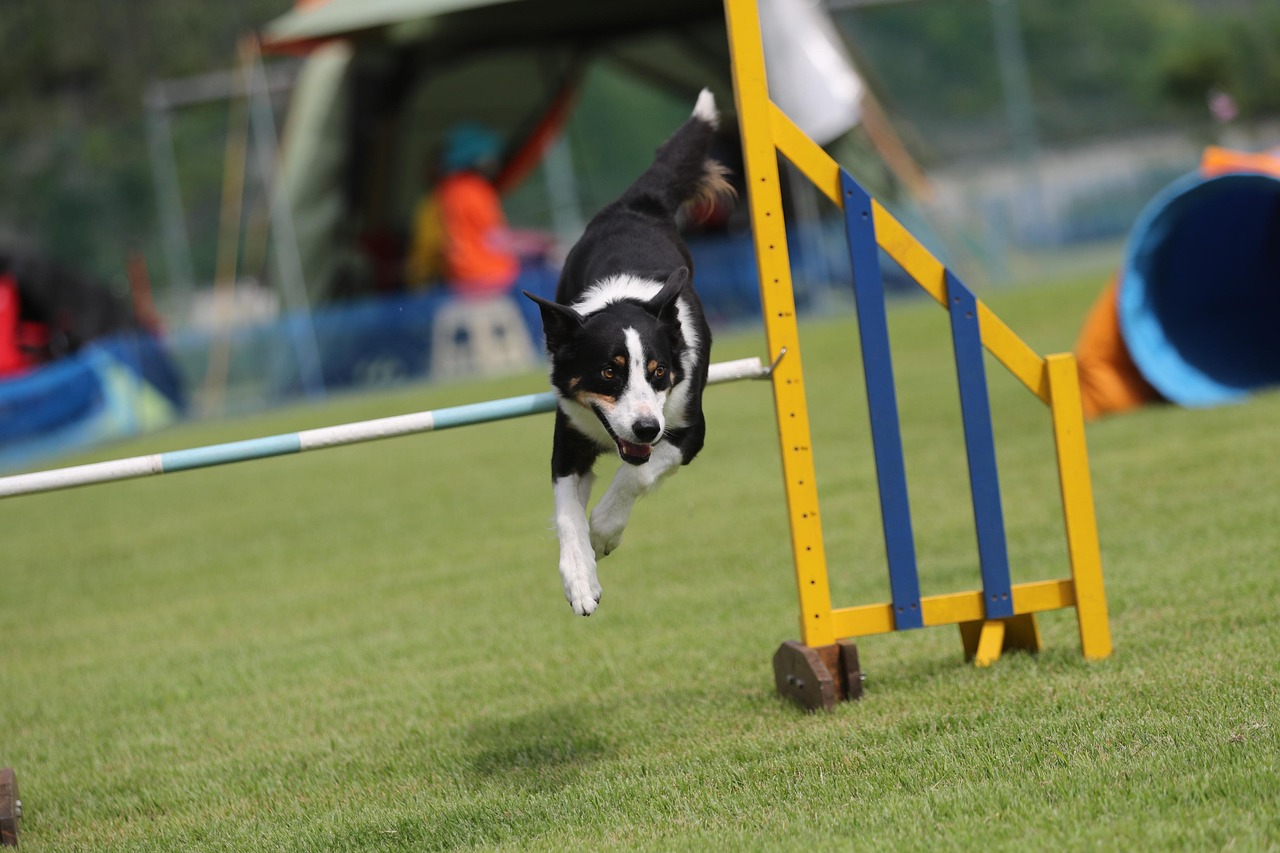

Tracking Your Dog’s Progress in Agility Competitions
Agility competitions are exciting events where dogs navigate obstacle courses while their handlers guide them through various challenges. To maximize success, it’s essential to monitor your dog’s progress effectively. Regularly observing advancements not only helps identify strengths and weaknesses but also enhances the bond between you and your dog. One method to track this progress is by maintaining a detailed journal that documents each session. This journal can include statistics such as the time taken to complete the course, errors made, and successes achieved. Additionally, it is beneficial to include notes on your dog’s behavior and emotional state during training. Acknowledging when your dog feels overwhelmed or excited can also provide insight into their performance. Consistently recording this data will allow you to see trends over time. The ultimate goal is to refine your training regimen, making adjustments based on your dog’s performance. Being proactive in your documentation leads to a more tailored approach to training, ensuring your dog not only improves but enjoys the process. Thus, start journaling today and transform your dog’s agility journey into a fulfilling adventure.
When setting up an agility training journal, consider using a structured format that breaks down sessions into manageable components. Start by listing the date, location, weather conditions, and any relevant notes about the day. Following this, you could have a section dedicated to the specific skills you worked on each session. Each skill improvement can be categorized under obstacles such as jumps, tunnels, and weaves. Additionally, you may want to record your dog’s performance on a scale from one to ten for each skill. This numerical representation can simplify monitoring progress over time as it reflects not only ability but also your dog’s confidence. After evaluating the performance, ensure you log your reflections on how sessions went. Ask yourself the questions, did the skills increase, or was there a plateau? Was the dog aggressive or disengaged? Documenting detailed reflections will help tailor subsequent training sessions to overcome any minor setbacks. This structured approach not only creates an efficient method for tracking progress but also aids in maintaining motivation and enthusiasm, both for you and your dog during agility competition preparation.
Recognizing Patterns and Progress
Another significant aspect of tracking your dog’s agility journey is recognizing patterns in both performance and behavior. Carefully observing and evaluating the data in your journal will reveal trends related to specific obstacles or scenarios that may incite anxiety or excitement within your dog. When you identify a consistent pattern, such as your dog struggling with certain jumps, it’s crucial to adjust your training to enhance their comfort and confidence with that obstacle. You might incorporate additional practice sessions focusing solely on those challenges. By targeting identified weaknesses, you expedite improvement and reduce stress during competitions. Additionally, analyze how external factors like weather or noise levels affect your dog’s performance and demeanor. Certain dogs may thrive under specific conditions, so experimenting with various environments can be enlightening. Ultimately, these insights will help you make informed decisions regarding training adjustments, leading to more fruitful practice sessions. Furthermore, a well-documented record serves as great encouragement; celebrating milestones, like conquering a challenging course, keeps motivation high while reinforcing the strong bond established between you and your dog through agility training.
In addition to performance, tracking your dog’s fitness and well-being is crucial when preparing for agility competitions. As agility is a physically demanding sport, ensuring your dog maintains a healthy weight and physical conditioning is necessary for both performance and injury prevention. In your training journal, incorporate notes about your dog’s diet, any treats used during sessions, and the overall health condition. This includes being mindful of regular vet check-ups to monitor for any potential health issues. Additionally, recording your dog’s energy levels before and after training can provide substantial feedback on their fitness routine. If you notice fatigue after sessions, consider swapping high-intensity workouts with lower-impact activities such as swimming or longer leash walks. This variance keeps your dog engaged and healthy. Consistent fitness tracking will lead to making necessary adjustments to their diet or exercise regimen, maximizing their performance abilities in the agility arena. By being attentive to their physical condition, you are not only ensuring readiness for competitions but also prioritizing their overall health and happiness.
Celebrating Achievements
While working towards goals, it’s important to celebrate every achievement along the way. Tracking progress in your agility journal isn’t solely about metrics; it’s also an opportunity to reflect on how far you and your dog have come. Recognizing and celebrating both minor and major successes fosters a positive training atmosphere and strengthens the connection you share with your dog. Be sure to mark significant milestones, like mastering a difficult course or improving speed significantly. Recording these moments gives both you and your dog a sense of accomplishment. You can also take photos during training sessions or competitions and attach them to your journal for those visual reminders of hard work paying off. In addition, consider sharing these triumphs with your agility community, whether on social media or local clubs. Celebrating together builds camaraderie and motivation, inspiring others while enhancing your dog’s confidence. Thus, maintaining an ongoing record of achievements contributes to a dynamic tracking process, making it more enjoyable as you witness growth and improvement throughout your agility journey.
Moreover, engaging with the broader agility community plays a pivotal role in enriching your dog’s training experience. Utilizing resources such as local clubs or online forums can provide not only support but also valuable insights from fellow enthusiasts. Sharing your journaling experiences can spark ideas for innovative training methods or insights to tackle challenges you may face. Learning from others helps you stay abreast of new techniques and practices that could enhance your training routine. Furthermore, attending workshops or seminars conducted by experienced trainers can provide additional motivation while introducing you to novel agility strategies. Consider participating in local agility courses; knowing your competitors allows for networking and community support. As you interact with other dog owners, share success stories, tips, and even advice can offer fresh perspectives on obstacles you’re facing. By broadening your circle and welcoming diverse experiences, you can enrich your training journal, encouraging not only personal growth but also enhancement in your dog’s agility performance. The synergy created through community involvement can greatly elevate your agility journey.
Refining Techniques and Strategies
Lastly, continually refining techniques and strategies should be a primary focus of your agility training experience. As you track your dog’s progress, take time to analyze the training methods you’re employing and their effectiveness. Not every technique will resonate with every dog, so it’s essential to remain flexible and adapt when necessary. Strategies that worked well at the onset of training may require revisions as your dog develops skills and familiarity with agility courses. For instance, if a particular method of encouraging your dog through obstacles isn’t yielding the desired results, consider exploring alternative approaches. Investigate various training methodologies available, whether they include positive reinforcement, clicker training, or even engaging with specialized agility trainers. The more tools and techniques you have at your disposal, the more capable you are in tailoring your dog’s training to their individual needs. Document your reflections on the effectiveness of different tactics in your journal, helping you prioritize what works best. This trial-and-error approach will ensure that both you and your dog enjoy the evolving journey of agility challenges and successes.
In conclusion, tracking your dog’s progress in agility competitions enriches both the experience and effectiveness of training routines. Embrace the advantages of documenting every key detail in a structured journal, capturing not only performance metrics but emotional and behavioral insights. This ensures a comprehensive understanding of your dog’s growth and challenges. Recognize the patterns emerging from training sessions and adjust your approach as needed. Remember to celebrate achievements, maintaining enthusiasm during the journey of improvement. By engaging with the agility community, you can enrich your training experiences and receive support. Finally, refine your techniques regularly, fostering adaptability and responsiveness to your dog’s development. The synergy created between you and your dog will lead to enjoyable and successful experiences in agility competitions as you work persistently toward excellence together.