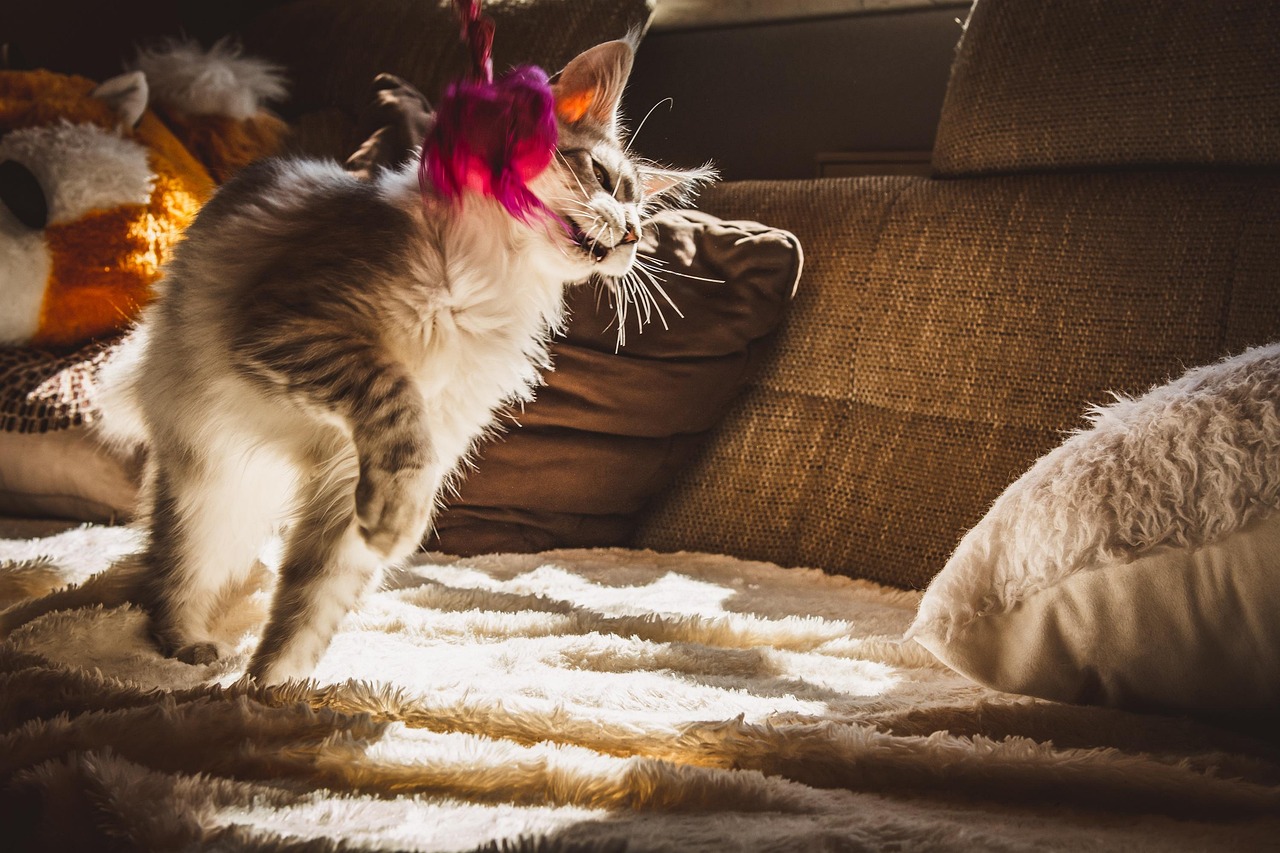

Using Play to Mimic the Hunting Experience for Cats
Cats are natural hunters, possessing instincts that have been refined over thousands of years. Understanding this behavior is crucial for cat owners looking to provide enriching activities for their feline friends. One effective way to tap into these instincts is through play, which can replicate the action and excitement of a hunt. Engaging an indoor cat with toys that mimic prey can greatly enhance their overall well-being. Various types of toys, including feather wands, laser pointers, and interactive puzzles, can stimulate their hunting instincts. Not only do such activities keep a cat physically active, but they also provide mental challenges. This helps prevent boredom and behavioral issues stemming from a lack of stimulation. Moreover, observing a cat’s hunting behavior during play can offer valuable insights into their personality and preferences. Picking the right timing to play is equally important as cats tend to exhibit different play behaviors based on their energy levels throughout the day. Regular interactive sessions can foster a stronger bond between cats and their owners. Implementing this knowledge can create a happier, healthier feline companion.
To effectively mimic hunting behavior during playtime, it’s essential to understand what drives a cat’s instincts. These instincts are deeply rooted in their evolutionary background. Domesticated cats, despite being indoor pets, retain many behaviors from their wild ancestors. Activities such as stalking, pouncing, and batting at objects play a critical role in their overall development. Thus, offering them challenging play sessions is vital. Consider using a variety of toys that simulate different types of prey. For example, plush mice can replicate smaller animals, while dangling feathers can mimic birds. Transitioning between different play styles will keep your cat engaged. Moreover, pay attention to what types of toys your cat prefers. Some might be more inclined towards toys that make noise, while others enjoy those that allow them to use their paws and claws. By observing your cat’s preferences, you can tailor the play experience to better suit their unique hunting style. Incorporating rotation of toys can also prevent monotony. Ultimately, enhancing playtime with these insights helps fulfill your cat’s natural instincts and enriches their hunting experience.
Creating a Hunting Environment
Replicating a hunting environment in a domestic setting can be highly beneficial for your cat. This approach requires a thoughtful arrangement of spaces where cats can engage in their natural behaviors. First, consider introducing vertical spaces such as cat trees or shelves. Cats love to climb, jump, and observe their surroundings from an elevated position. Integrating hidden areas, such as boxes or tunnels, can encourage exploration and curiosity. This mimics the experience of stalking prey, which often involves navigating through various terrains. Additionally, you may scatter toys throughout the house, allowing your cat to discover them organically. This type of environment fosters a sense of adventure, and cats will be motivated to ‘hunt’ for their toys. Another idea is to designate specific areas for playtime, distinguishing them as places for focused hunting behavior. This can help your cat associate these spots with positive experiences and excitement. Likewise, incorporating varied textures, sounds, and scents will stimulate your cat’s senses and keep them engaged. Creating such a hunting environment is a powerful way to ensure your indoor cat’s physical and mental health remains optimal.
Interactive play sessions that simulate hunting can result in numerous benefits for your cat. Regularly engaging with your feline friend through enticing play sessions helps to fulfill their natural instincts. A tired cat is typically a content cat, and incorporating hunting scenario play can help expend excess energy. During these sessions, your cat will participate actively, showcasing their agility and coordination. Not only does this physical activity keep them healthy, but it also strengthens the bond between you and your pet. Moreover, interactive play serves as an excellent form of exercise that can help maintain a healthy weight. Maintaining an appropriate weight is crucial for preventing conditions like diabetes and joint issues in cats. Different toys can provide various levels of mental and emotional stimulation as well. The reward of successfully catching a toy can release endorphins, elevating their overall mood while reducing anxiety. It’s essential to observe your cat’s reactions to different toys, making adjustments as necessary. Setting aside regular playtime can become a cherished routine. This interaction improves your cat’s quality of life while allowing both you and your cat to enjoy these thrilling moments together.
Types of Toys and Their Impact
The type of toys provided can significantly impact how well your cat engages during playtime. Not all cats will respond equally to every toy, so it’s valuable to experiment with a variety. Feather wands, for instance, can entice more active felines, allowing them to chase and leap as they would for actual prey. Alternatively, toys that mimic small rodents, equipped with realistic movements, can draw the interest of cats that prefer stalking and pouncing. Catnip-infused toys offer an added sensory element, appealing to many cats and encouraging them to engage more energetically. Remote-controlled toys can introduce an unforeseen level of interaction, surprising your cat and triggering their instinctual drive to chase. While balls and crinkly toys may not always have the same allure, many cats still enjoy batting them around. Take note of your cat’s preferences, as it may help guide future toy purchases and engaging practices. Investing in durable, interactive toys ensures that your cat remains entertained over time. Frequently rotating toys can maintain a fresh experience, keeping your furry friend excited and stimulated during playtime.
Creating a routine around playtime can also enhance the benefits of mimicking hunting for your cat. Routine allows cats to anticipate engaging experiences, prompting them to exhibit natural play behaviors. Scheduling daily or every other day sessions can help foster consistency and excitement. Morning or evening may be the best times, as cats often have peak energy levels during these hours. Each play session should be around 15 to 20 minutes to allow for effective engagement without leading to exhaustion. The key here is to maintain variety in game activities, keeping sessions lively and enriching. Changing the pace of play can also alter how they interact with their environment. Allow your cat to take breaks, especially if they seem overly stimulated. During this downtime, you can use treats to reinforce positive associations with play. Such strategies help maintain interest and bond with your cat. Be sure to pay attention to their body language, fine-tuning the intensity of play as needed. These practices create a structured environment where the innate hunting behaviors of your cat can flourish, providing both physical and emotional fulfillment.
The Connection Between Play and Well-Being
Understanding the connection between play and your cat’s well-being is vital in providing them with a fulfilling life. Play mimics the processes of hunting, offering both physical and mental stimulation, thereby catering to your cat’s natural instincts. Regular participation in these play activities can curb obesity, anxiety, and other behavioral issues that may arise from boredom. A well-stimulated cat is less likely to engage in destructive behaviors often associated with unmet needs. Emotional health can also benefit from this regular interaction, creating a more relaxed and confident feline. As cats engage in activities that allow them to practice hunting behaviors, they develop skills that support both predatory and social interaction. Adult cats, in particular, need these activities to promote emotional stability. Additionally, recognizing the positive outcomes of facilitating hunting play underscores the importance of intentional engagement in your cat’s life. Investing time in play not only nurtures their instincts but also deepens the bond shared between owner and pet. Ultimately, supporting your cat’s innate instincts through play leads to a fulfilling and dynamic life for your beloved feline companion.
In conclusion, utilizing play as a way to mimic hunting experiences is paramount for enhancing your cat’s quality of life. From selecting appropriate toys to creating a stimulating environment, every aspect contributes to fulfilling their natural instincts. Regular engagement arouses their predatory behavior, ensuring they remain active and mentally alert. Establishing routines assists your cat in anticipating enjoyable interactions and fosters emotional well-being. Observing them during playtime offers insights into their preferences, allowing for a better understanding of their unique personalities. Cats thrive in environments that encourage exploration, and involving them in safe hunting activities elevates their daily life. Remember that patience and positivity play crucial roles in satisfying their needs. Keep toy rotation fresh and varied to keep your cat’s interest piqued. Emphasizing the importance of excitement and unpredictability will benefit your cat significantly. In doing so, you and your feline friend will develop a seamless connection that transcends traditional pet care. Ultimately, ensuring that your beloved cat engages in play closely related to hunting leads to a balanced, enriched life filled with joy and companionship.