
Understanding the Difference
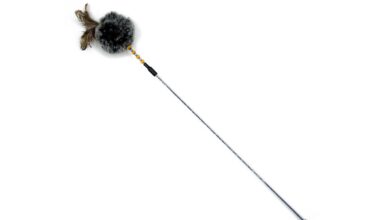
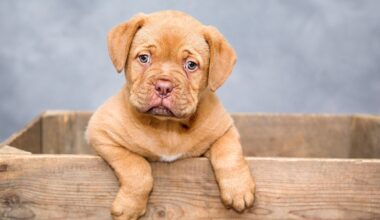
When diving into the world of pet photography, it’s crucial to distinguish between general pet photography and dog photography specifically. Both genres have unique attributes, techniques, and styles that differentiate them. Pet photography encompasses all animals, including cats, birds, and rabbits, while dog photography hones in on canine subjects. Different techniques apply for both, especially when incorporating props. For dog photography, using chew toys and favorite blankets can make for charming interactions. The props used often aid in showcasing the individual personality of each dog. For pets like cats or rabbits, the props may vary significantly and include scratching posts or colorful toys that cater to their specific behaviors. When planning a photography session, it’s essential to consider the animal’s personality and preferences related to props. Engaging and fun props help to evoke genuine expressions that bring forth the uniqueness of each subject. Understanding these differences allows photographers to tailor their approach, enabling better photos that capture the true essence of the pet or dog. The right props can significantly enhance the photographic storytelling experience.
Choosing the Right Props
The props chosen for each photography type play a vital role in the results achieved. Dogs often respond well to props that engage their behavioral instincts. This includes toys that squeak, balls, or ribbons that they love to chase. When a dog interacts with a prop that resonates with them, it can lead to more animated and lively shots. However, for other pets, different types of props may be necessary to catch their character and mood. For instance, colorful feathers and interactive toys work wonders for birds, while cats may prefer boxes or tunnels. Think about the environment as well; using outdoor settings versus indoor studios can change the required props. In outdoor settings, natural elements like grass or flowers can add freshness, while indoors, items like baskets or cushions can bring coziness. Ultimately, the harmony between the prop and the animal is crucial in achieving visually appealing images. Once you find the right balance, your dog photography sessions will yield stunning portraits that are not only artistic but also narrate a story behind each shot.
Incorporating Themes in Photography
When working with props, consider incorporating themes that enhance storytelling. For dog photography, themes can portray different emotions and interactions that encourage playful behavior. Seasonal themes can also inspire wonderful ideas during holidays or particular events. For example, using autumn leaves instead of traditional backdrops can add a unique touch to your shoot. Alternatively, props that signify a specific holiday or celebration help to create festive images. In pet photography, themes can embrace their unique personalities, hence capturing finer details that resonate with viewers. Animals may have specific settings, such as beaches for water-loving dogs or parks for energetic pups. This aspect allows for props differing based on activity. Incorporating thematic props also aids in developing brand identity, especially if photography is part of a business venture. Cumulative experience can refine not only the themes you explore but also how varied props affect the dynamism of your photo shoots. Maintaining a diverse collection of props assists in matching them with suitable themes, leading to memorable captures that exhibit vibrant stories and lively spirits.
Lighting and Positioning
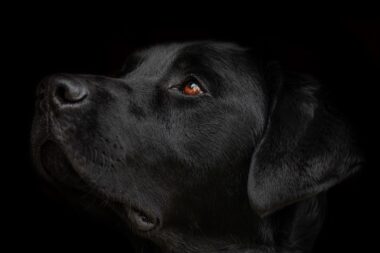
Proper lighting plays a fundamental role in the effectiveness of the props employed during a shoot. Understanding how natural light interacts with props is essential for both dog and general pet photography. Soft, diffused light often works well, creating gentle shadows and highlights that enhance the textures of props. For dogs, positioning their favorite toys close to their faces may stimulate interaction, leading to natural expressions. Experimenting with angles while using props can also result in diverse outcomes. A low perspective, for example, focusing upward with a toy held near the dog, can emphasize depth. The time of day matters too; shooting during golden hour offers warm tones, creating a dreamy quality in photographs. In pet photography, the positioning of props should ensure they do not distract from the animal. Striking a balance is vital, as props should complement subjects without overpowering them. Knowing when to position props allows photographers to dictate animal engagement and produce photographs that reflect the true character of each pet or dog capturing attention and delight.
Creating Fun Interactions
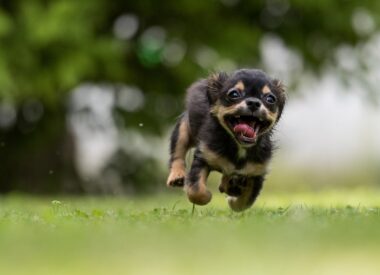
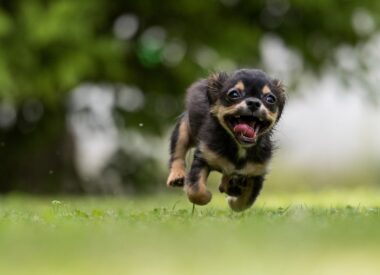
Utilizing props to create playful interaction during photography sessions enhances the overall experience for both dogs and pet photographers. Dogs thrive on engagement, and involving their favorite toys or treats injects energy into photoshoots. Capturing moments where dogs react to their props can reveal joy and personality. Ideas like tossing a ball or hiding a toy create movement, making for expressive shots with variety. For pet photography, engaging with props can help to depict individual animal behaviors. For example, a curious cat peeking from behind a curtain or sniffing a feather toy makes for candid and delightful captures. The goal is to stimulate an instinctual response that showcases genuine emotions. Fun interactions benefit not only the outcome but also build trust between the photographer and the pet. Establishing rapport helps ensure better behavior while the animals are in front of the lens. This trust is vital, particularly for more timid pets that may be easily startled. Ultimately, interactions fueled by props elevate the quality of the final images and deepen the connection between photographer and subject.
Editing and Final Touches
After the photoshoot concludes, the role of props in the overall photographic experience doesn’t end. Once the images are captured, editing can enhance the importance of these props significantly. Applying filters that highlight or soften certain features can draw attention to specific props while maintaining focus on the pets themselves. Adjusting contrast and brightness can further elevate the captured essence. In dog photography, emphasizing colors within props can heighten the emotional appeal in images. The use of creative editing techniques allows for a sophisticated finish that can alter perceptions and impressions of the photo’s story. Alternatively, in general pet photography, editing helps retain the subject’s natural energy while creating a cohesive look across the collection. Advanced tools and techniques can further amplify the expressed emotions and themes surrounding each image. Ultimately, taking the time to fine-tune edits can make the difference between ordinary photos and captivating masterpieces. The final touches are what convey the narrative you wish to share, connecting viewers more intimately with each dog or pet through visual storytelling that resonates deeply.
Conclusion
In conclusion, both dog photography and pet photography offer unique opportunities to play with props, creating engaging images that celebrate the essence of our beloved animals. By understanding the contrasts between these two genres, photographers can greatly enhance their approach, ensuring that every session is tailored to the specific needs and behaviors of each subject. Choosing the right props, implementing themes effectively, and creating fun interactions are essential skills in the toolkit of any photographer aiming for memorable shots. Additionally, realizing the importance of lighting, positioning, and post-editing can take photographs to another level, highlighting the connection between pets and their props. As you explore this creative terrain, remember that each dog and pet has its personality, which may guide your choices in props and your approach. Many times, it’s the simplest of props that lead to the most captivating images. Pioneering creativity with props can cultivate brilliance in your work, resulting in photographs that tell stories, inspire joy, and preserve treasured memories for owners and pets alike.
Enhancing Your Skills
To truly master the art of dog photography, continual skill improvement is key. Learn from each session and try different approaches in your use of props. Constant practice paired with educational resources, such as online courses or workshops, will deepen your understanding of lighting, angles, and interactions. Engaging with communities through forums or social media can provide valuable insights and feedback regarding your work. Collaboration with fellow photographers or pet enthusiasts opens doors for creative experimentation, encouraging the development of a signature style. Explore various photography styles in magazines or blogs to gain inspiration on prop usage and composition. Participating in challenges or local competitions can also motivate dedicated photography. On top of that, building a diverse portfolio highlighting varied approaches can boost your confidence and showcase your skills comprehensively. Documenting your growth journey through regular assessments enables you to identify strengths and areas that require more attention. Staying updated with evolving trends can impact how you implement props in your shoots too. Continuous learning fosters improvement, allowing you to create amazing dog photography moments each time you step behind the lens.