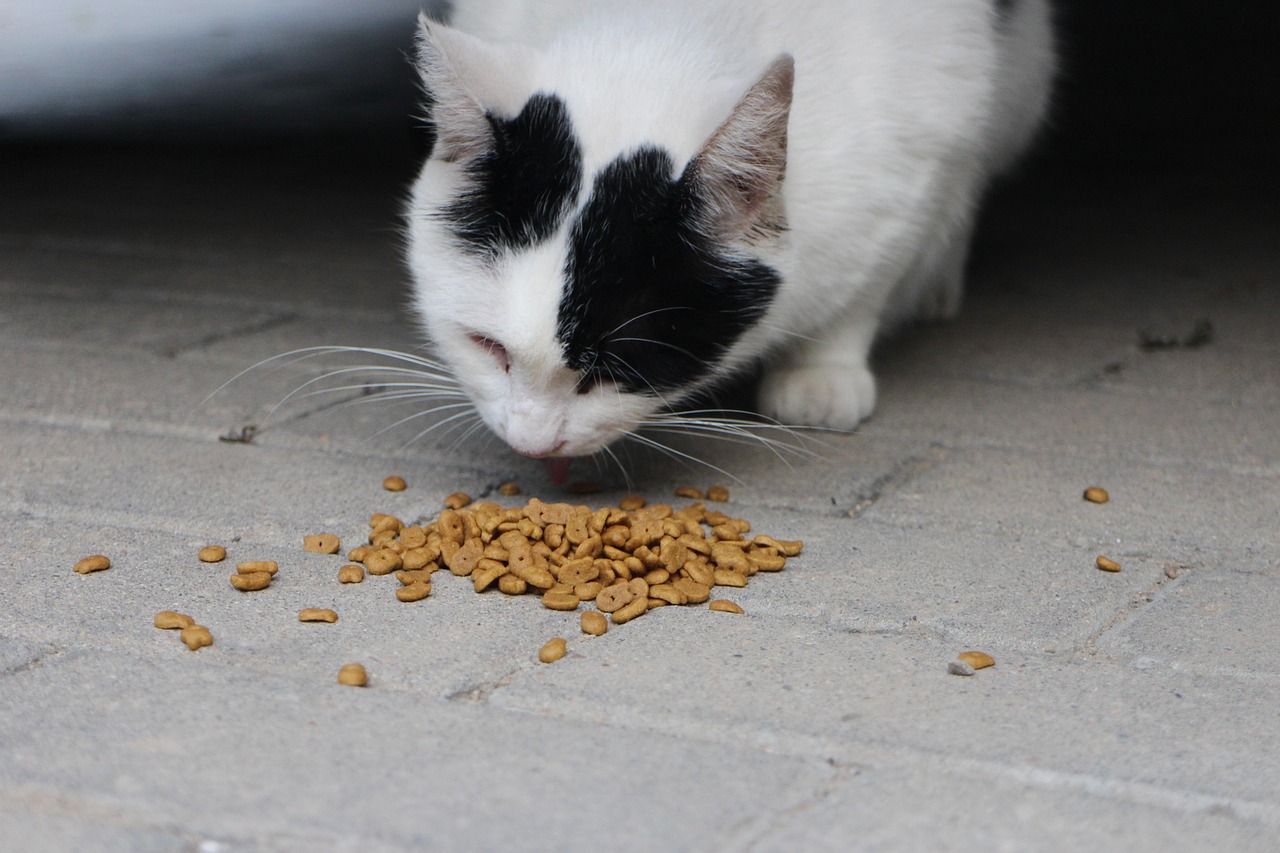

Building Trust with Cats Through Food Incentives
Socializing cats can sometimes be a challenging task, but utilizing food rewards is a highly effective strategy. This method involves associating positive experiences with human interaction, facilitating trust-building. When used wisely, food can motivate cats to engage, creating a more relaxed atmosphere. Start by identifying your cat’s favorite treats. Focus on smaller bites that are easy for them to consume during training sessions. Gradually introduce these treats during interactions. Initially, you might keep the treats at a distance but slowly bring them closer as the cat becomes more comfortable with you. It’s essential to be patient and consistent to ensure a positive association. Remember, it can take time for a cat to feel safe around new people. Pairing verbal praise with treats may enhance effectiveness. Using a soft voice can further calm the cat and encourage them to engage confidently. Establishing a regular schedule can also aid in creating a routine for feeding and engagement, reinforcing the trust bond. Being attentive to your cat’s body language during interactions will guide you in adjusting your approach accordingly. Observe calmly to ensure that both you and the cat feel comfortable.
Once you’ve established initial trust through food rewards, it’s vital to maintain this momentum. Consistent reinforcement is necessary to solidify the bond between the cat and the person. Gradually decrease the amount of food given as the cat becomes more confident interacting with you. This process is known as shaping behavior and enables the cat to learn that they can expect positive outcomes from spending time with you without needing constant food rewards. You can try different types of treats to see what works best and keep a mix of rewards available. Also, remember that the quality of your interaction matters. Make these sessions enjoyable; include playtime with toys along with feeding time to diversify the engagement. Cats are naturally curious, so allowing them to explore their surroundings while taking occasional treats can stimulate their interest and reduce anxiety. Creating an enriching environment is a significant aspect of socialization. Use interactive toys and engage the cat in play to keep them active. This mutual interaction not only builds their trust but contributes to their overall wellbeing, which is essential for fostering a lifelong bond.
Interactive Feeding Techniques
Using interactive feeding techniques can significantly enhance your cat’s engagement during socialization. These techniques involve using food to stimulate the cat’s curiosity and encourage interactive play. Puzzle feeders are an excellent investment as they promote mental stimulation while rewarding your cat with treats. When introducing these feeders, allow your cat to explore them at their own pace, keeping the experience non-threatening. Initially, you can place the treats in areas visible to them, encouraging exploration without intimidation. This setup allows the cat to associate fun and exploration with food, fostering a sense of comfort. As your cat becomes accustomed to the puzzle feeders, you can slowly increase the challenge level, keeping them engaged and motivated. Additionally, interactive toys that dispense treats upon engagement are effective as they entice the cat to interact physically, reinforcing the bond you’re trying to cultivate. Be patient during this process; not every cat will react immediately. Constant encouragement through praise and additional rewards for engagement will ensure your feline friend feels enthusiastic during training. Ultimately, this creates a stronger trust connection, making socialization less daunting for both parties.
Another exciting method to enhance food-related engagement is through target training. This technique can be achieved by teaching the cat to associate a specific cue with the reward of a treat. Initially, use a clicker or a distinct, upbeat sound to signal when the treat is given. Start by allowing the cat to approach the target and reward them immediately for their effort. Gradually, you can teach them to seek out your hand, a stick, or a specific object. Each time they touch the target successfully, reward them generously with treats. Over time, this builds their confidence and reinforces positive associations with you. Additionally, incorporating target training during play can make the process more enjoyable for the cat. Ensure to keep sessions short and fun, so the cat does not lose interest. As the cat becomes comfortable with the targeting concept, it may lead to more explorative behavior and increased willingness to interact with new people and environments. This technique fosters a deeper connection through shared experiences and encourages your cat to become more social and interactive in general.
Understanding Cat Body Language
Understanding cat body language is paramount when attempting to build trust through food rewards. Each cat has unique behavioral cues that indicate their comfort level during socialization. For instance, a cat that purrs while approaching you likely feels at ease, while an arched back or flat ears can signify stress. It is essential to recognize these signals as they guide your engagement approach. Pay attention to their tail position; a high tail often indicates happiness and confidence, while a low or flicking tail may point to agitation. When teaching through food, observe how eagerly they approach the treat. A cautious cat might take a step back before moving in, which suggests you should grant them the space they need to feel safe. Associating reward time with soft vocalizations or gentle approaches can further enhance comfort levels. Remember to give them time to adjust, especially when introducing them to new surroundings or people. Socialization is a gradual process requiring ongoing observation and adaptability; learning to understand these nuances can dramatically improve the effectiveness of your training methods.
Creating a routine around feeding times also helps establish trust and predictability in your cat’s socialization journey. Cats thrive on routine, and knowing when to expect food can help reduce anxiety during interactions. Plan dedicated mealtime with positive experiences, such as petting and calmness. Start each feeding session in a quiet area where distractions are minimal. This setting allows the cat to focus on you and the food, building a connection over the shared experience. Keep the atmosphere relaxed and encourage conversation through gentle talking or soothing sounds. Allow them to approach you at their own pace, enabling them to gain confidence. After a few sessions, try to incorporate more interactive elements like soft toys or singing to them. Gradually transitioning from strictly food rewards to playful interaction can further strengthen the bond. Furthermore, mixing in games that require them to move and explore during mealtimes can stimulate their natural instincts while reinforcing trust. This combination of consistency, safety, and interaction creates the ideal conditions for nurturing a positive, trusting relationship with your cat.
Conclusion
Ultimately, the journey of building trust with cats through food incentives is an ongoing process that demands patience and understanding. By utilizing food as a motivational tool, you can facilitate more enjoyable and productive interactions. Remember to stay attuned to your cat’s preferences and communication styles. Each feline responds differently to various incentives, and what works for one may not apply to another. Regularly adjust your approach based on their responses to ensure that the training remains engaging and positive. Train in brief sessions, allowing both you and your cat to remain involved without feeling overwhelmed. As the cat grows accustomed to spending time with you amidst rewards, they will likely become more secure and eager to socialize. In time, this bond can lead to improved behavior and comfort in exploring different environments. Take pride in the shared moments together; the trust built through such interactions can present lifelong benefits for both you and your feline companion. By combining patience, understanding, and appropriate food rewards, you can ensure that your cat becomes a well-socialized member of your family with a strong, trusting bond.
Socializing cats can sometimes be a challenging task, but utilizing food rewards is a highly effective strategy. This method involves associating positive experiences with human interaction, facilitating trust-building. When used wisely, food can motivate cats to engage, creating a more relaxed atmosphere. Start by identifying your cat’s favorite treats. Focus on smaller bites that are easy for them to consume during training sessions. Gradually introduce these treats during interactions. Initially, you might keep the treats at a distance but slowly bring them closer as the cat becomes more comfortable with you. It’s essential to be patient and consistent to ensure a positive association. Remember, it can take time for a cat to feel safe around new people. Pairing verbal praise with treats may enhance effectiveness. Using a soft voice can further calm the cat and encourage them to engage confidently. Establishing a regular schedule can also aid in creating a routine for feeding and engagement, reinforcing the trust bond. Being attentive to your cat’s body language during interactions will guide you in adjusting your approach accordingly. Observe calmly to ensure that both you and the cat feel comfortable.