
Home Among the Trees: Cats Released into the Wild
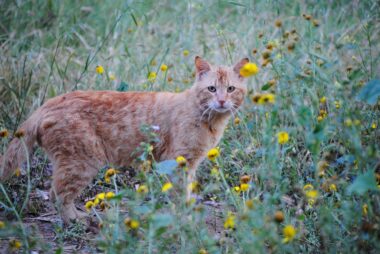
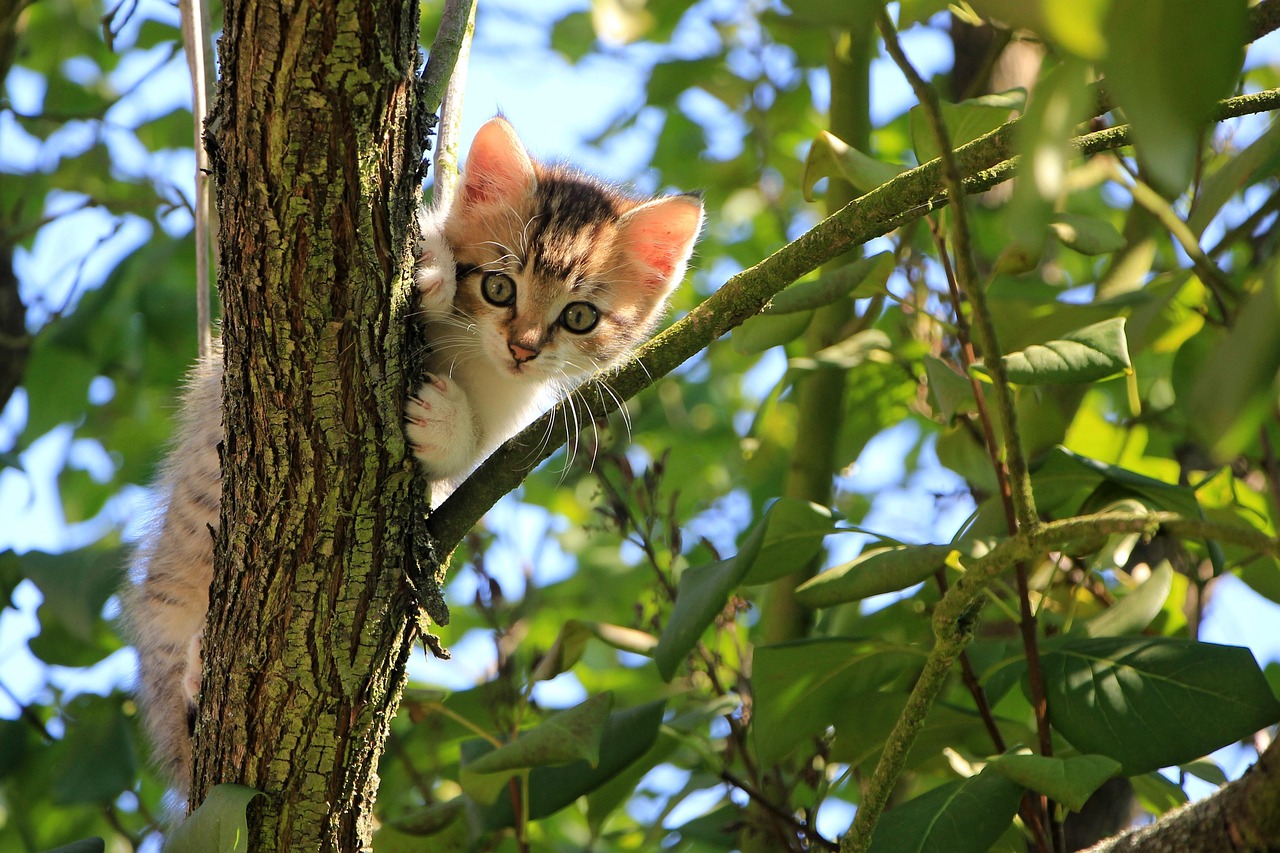
Each cat has a unique story and some can even be heartening tales of redemption. Many cats begin their lives in shelters, yearning for love and freedom. Once they are rescued, rehabilitated, and trained, there’s often a hopeful moment when a cat is set free. The journey from being lost or abandoned to finding refuge among trees is nothing short of inspiring. These cats have endured many hardships; however, their spirit remains unbroken. They adapt well in the wild, utilizing their instincts to thrive. While adjusting may be challenging initially, time spent nurturing their innate skills helps them flourish. An important part of this journey involves learning how to hunt, climb, and find shelters. Rescuers ensure they are equipped with all necessary skills before that final release. Communities often play an essential role during these heartwarming rescues. Witnessing the joy of cats bounding through forests brings smiles to the faces of volunteers who have dedicated their time. This bond signifies hope and the possibility of a bright future. In return, these cats find their own home among the trees, fully embracing the freedom they so deserve.
Life, however, is a continuous cycle of challenges and triumphs. Released cats must navigate their new environment, assessing safety and food availability. Some cats instinctively know how to fend for themselves, while others may require guidance. Local wildlife researchers often monitor their progress, ensuring that the cats adjust successfully. It’s remarkable to observe their instincts come alive as they climb trees and express their playful nature. Careful observation helps keep track of their health and well-being. Many cats find companionship in the wild, forming bonds that mirror their previous experiences. This social aspect is crucial, especially for abandoned cats who seek affection. The journey isn’t just about survival; it’s about rebuilding trust and relationships with their new world. Community efforts assist in relocating the cats to natural areas, promoting their welfare. Providing them with resources such as food supplies and medical check-ups plays a vital role. Volunteers frequently report sightings of released cats, capturing moments of joy and freedom. These stories often rekindle hope in those advocating for animal welfare.
The Role of Rehabilitation
Rehabilitation plays a significant role in transitioning cats into the wild. The process begins with accommodating vulnerable cats in warm, loving environments. Shelters foster individual relationships with the cats, allowing them to gain confidence over time. Skilled professionals educate them on basic behaviors, such as hunting and climbing. This educational phase is vital once they re-enter the wild since effective self-sufficiency is essential. Essential to this process is creating a stimulus-rich environment where cats can refine their skills. As they grow, their natural instincts sharpen, and they learn how to navigate through various types of terrains. Responsible rescue organizations work diligently to provide physical and psychological support, further enhancing their chances of survival. To optimize their well-being, nutrition, and socialization are top priorities. Specialized training often includes engaging activities that mimic wild interactions, preparing them for life outside the comforting walls of the shelter. Successful rehabilitations become success stories that inspire volunteers and supporters of animal rescue. The fulfillment of watching these prepared cats venture into their new home among the trees is unparalleled.
Environmental issues form a significant backdrop for these inspiring stories surrounding cat rescues. Human intervention has led to significant habitat loss and changes, making survival outside more complex. The importance of preserving wild spaces for animals cannot be overstated, as forests serve as essential habitats. More organizations advocate for protecting these habitats to ensure rescued cats find safe homes. Initiatives to mitigate harm include promoting sustainable practices that protect local wildlife. Collaborating with land management encourages beneficial practices for both animals and ecosystems. Creating awareness among communities can transform perspectives on wildlife conservation and coexistence. Understanding how crucial each species is within an ecosystem helps garner additional support for animal rescue efforts. Engaging the public in education increases the chances of preserving these animals’ habitats. Supporters can mobilize through fundraising and volunteering, assisting in rehabilitation programs. As a result, cats finding their way home in natural settings reflects positively on conservationists’ efforts. Every released cat symbolizes hope delivered through teamwork and compassion in rescuing these marvelous creatures.
Success Stories of Released Cats
Among the countless cat rescue stories, there are notable ones that truly embody resilience. For instance, one feline named Bella became an internet sensation after her successful release. She transitioned from being trapped in an urban jungle to flourishing among trees. Tales like Bella’s capture attention and ignite interest in rescue initiatives. Each cat has a distinct journey, filled with obstacles. Some cats may struggle initially but eventually adapt to their environments. Documenting these success stories fosters connections with potential adopters and supporters, thereby encouraging others to consider involvement. More people are encouraged to become advocates for cat rescues, often inspired by what individuals have achieved through sheer determination. A single happy ending can turn into numerous lives saved over time. In addition, rescuers share continuing tales of those thriving in the wild, creating a warm, supportive community. Those who encounter these stories naturally become invested in cats’ welfare, fostering excitement around rescue events. Heartwarming stories ultimately remind everyone about the importance of empathy toward vulnerable animals, by sharing their experiences through various media.
Community support not only enhances rescue efforts but also cultivates educational programs focusing on wildlife conservation. Workshops guide individuals toward better understanding cats in their natural habitats, fostering stronger bonds with the ecosystem. These programs often include local schools, raising awareness and responsibility for animal welfare. Such initiatives encourage young generations to participate actively in animal advocacy, ensuring future preservation efforts. A unified community can make strides in conservation initiatives, capturing the essence of teamwork. Promoting compassion fosters an environment where educating others becomes second nature. People should feel empowered to contribute to causes reflecting their values. Participation often blossoms into passionate campaigns emphasizing collective action. Together, they work toward building lasting relationships with animals and the environment. Future rescue programs will benefit from expanded support through consistent knowledge sharing. As community projects gain momentum, they drive significant change infused with enthusiasm. More lives can be saved, and success stories multiplied. The cycle of rescue completes when generations pass down lessons learned, creating a ripple effect that continues to resonate within society about the importance of caring for the voiceless.
Final Thoughts on Cat Rehabilitation
The journey of cats released into the wild serves as a beacon of hope for animal welfare advocates. Each step towards newfound freedom is a testament to resilience and the capacity to adapt. We must celebrate the dedication shown by countless volunteers and organizations. Their unwavering support creates the conditions necessary for successful rescues. It’s essential to remember the importance of compassion, understanding, and patience throughout this process. Awareness alone drives efforts toward protecting and rehabilitating abandoned animals. Each cat deserves the chance to thrive, free from the challenges of a hard life in shelters. Documenting their stories highlights successes, amplifying the need for continuous support in the future. In partnership with the community, these efforts should expand, creating a healthier ecosystem for all beings. Education, engagement, and compassion will nurture lasting connections that enrich the lives of animals and humans alike. Ultimately, we must recognize our role in shaping a future where all creatures can flourish in harmony. Cats finding home among the trees is just the beginning—a pathway to enduring change and preservation for all wildlife.
Embracing the synergy between individuals, communities, and local wildlife results in breathtaking outcomes. Every released cat serves as a reminder of their incredible journeys. Their stories bring joy and inspire us to protect the fragile environments where they now roam. As more stories emerge, others are encouraged to advocate, volunteer, and support rescue efforts passionately. Collectively, we can bridge the gap between humans and animals. A flourishing wildlife ensures a sustainable future for all ecosystems. Each cat returning to its wild habitat reminds us of resilience and coexistence. Recognizing the sanctity of life encourages greater empathy and a deeper understanding of animal welfare. Such awareness promotes dignity and respect for all beings. Through every successful rescue, we are reminded that love can transcend boundaries. These stories of courage ignite hope, ultimately driving change for a brighter future. In unison, the community becomes a powerful force for good, echoing change across generations. Let us take inspiration from these stories, uniting passionately for the betterment of companion animals everywhere. Together, we can advocate, rehabilitate, and create lasting impacts for cats and all wildlife stepping into the wild.