
How to Choose the Right Brush for Your Dog’s Coat Type
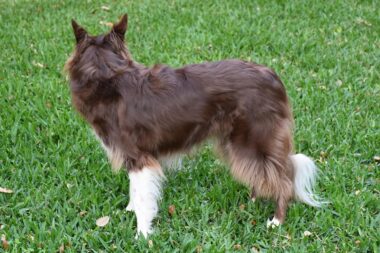
Selecting the appropriate dog brush is crucial for maintaining your dog’s grooming needs. Various brush types cater to different coat types, which can include short, long, curly, or wiry fur. Understanding your dog’s coat can help you select the right brush. For instance, short-haired dogs often benefit from coarse bristle brushes that remove loose hairs effectively. Long-haired breeds will require a slicker brush or a pin brush to detangle knots and remove dead hair. If your dog has curly fur, a comb with wide teeth works best to prevent matting while maintaining their natural curls. Another consideration is your dog’s skin sensitivity; some canines may prefer softer bristles for a gentler grooming experience. Regular brushing not only maintains your dog’s coat appearance, but also promotes healthy skin by distributing natural oils. Knowing how to groom effectively can increase the bonding experience between you and your dog, effectively making grooming time enjoyable for both. Researching the best brushes and investing in high-quality grooming tools can dramatically improve your dog’s overall coat health and appearance.
Additionally, frequency of brushing plays a critical role in your dog’s grooming routine. For dogs with short coats, brushing might only be necessary once a week, as their fur doesn’t trap much dirt or debris. However, long-haired breeds should ideally be brushed several times a week, or even daily, to maintain a healthy coat and avoid matting. Working through knots gently with a slicker brush can prevent discomfort for your dog. You should always start brushing at the ends of the hair and work your way up to the roots. This method helps to gently detangle without pulling on the skin. If your dog ever shows signs of distress during brushing, check for any painful spots or mats. Always be patient during grooming; using treats can help encourage your dog to enjoy the process. Different areas of the body may also require different grooming techniques; for instance, areas like ears and tails may need a lighter touch than the rest of the body. Keeping a calm environment during grooming will also help your furry friend feel more comfortable as you brush their coat.
Understanding Different Brush Types
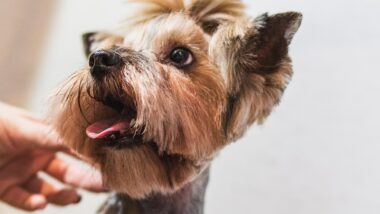
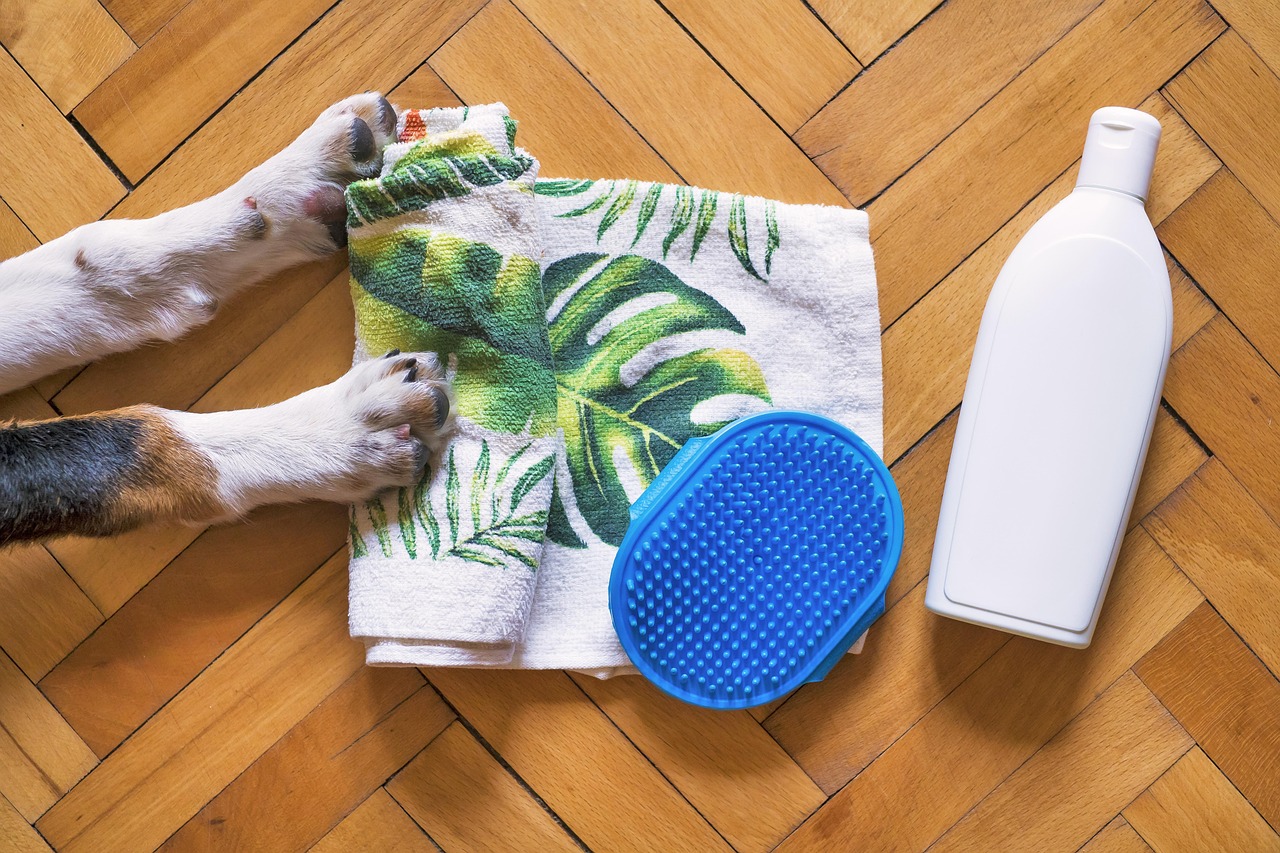
There are various types of brushes specifically designed for different dog coat types. A slicker brush, equipped with fine wires, is excellent for lifting away loose fur and detangling long-haired dogs. It’s suited for breeds like Golden Retrievers or Shih Tzus. Pin brushes can help fluff up a coat, perfect for breeds with thicker fur. In contrast, bristle brushes are more suited for short-haired breeds, as they help smooth out the coat while distributing natural oils. For curly coats like Poodles, a wide-toothed comb is the best fit to prevent breakage while maintaining curl structure. Rubber brushes can also be effective in removing dirt while providing a gentle massage, which many dogs enjoy. For dogs that shed profusely, consider a deshedding tool which can help reduce shedding significantly during grooming. Regardless of brush type, selecting one that suits your dog’s unique coat will make grooming easier and more enjoyable. Each brush serves a distinct purpose, so investing in a variety can enhance the effectiveness of your grooming routine and cater to various needs according to the seasons.
Choosing the right brush isn’t solely about the type; the size and ergonomics matter too. A comfortable grip can make a significant difference in how long you can groom your dog without fatigue setting in. Selecting a brush that fits comfortably in your hand helps promote a smoother brushing experience. Consider testing out brushes before purchasing; many pet stores offer samples for customer handling. Aim to find a brush that isn’t too heavy, as this can contribute to strain over time, especially for larger dogs that require more intensive grooming sessions. Additionally, your brushing technique should be gentle; always start with slow, short strokes, paying special attention to areas that may become tangles or mats quickly. Keeping the grooming routine interactive and rewarding will instill positive associations for your dog. Massage while you brush, and allow for breaks if your dog seems uncomfortable. Frequent positive reinforcement, like treats or pats, will make your dog look forward to grooming time. Fostering a relaxed atmosphere during brushing aids in building trust between you and your beloved pet.
Maintenance of Grooming Tools
Taking care of your grooming tools is just as important as selecting them wisely. Regular cleaning of brushes is necessary to prevent the buildup of dirt and oils, which can lead to skin irritations for your dog. After each grooming session, take time to remove hair from the brush using your fingers or a comb cleaner for efficiency. For deeper cleaning, wash brushes with warm, soapy water once a month, ensuring thorough rinsing to get rid of any soap residue. Let brushes dry completely before storing them to avoid mildew growth. Check for rough edges or any broken bristles regularly; these can hurt your dog’s skin and coat. Discard any ineffective or damaged tools to maintain a safe grooming environment. Additionally, storing brushes in a clean, dry area prevents them from collecting dust, preserving their quality for long-term use. Investing time in maintaining your grooming tools can lead to a more effective grooming experience. A well-maintained grooming kit not only eases the grooming process for you and your dog but also enhances your pet’s overall coat health.
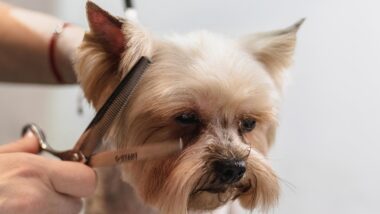
Finally, it’s essential to recognize when professional grooming may be necessary. Despite regular brushing and care, some dogs can develop mats or tangles that are too complex for home grooming. For breeds requiring specialized care, you should consider periodic visits to a professional groomer. Groomers often have the expertise and tools necessary to address difficult coat problems while providing a thorough grooming service. Regular grooming appointments can help maintain your dog’s coat health more effectively than home grooming alone. This is particularly true for breeds that require clipping or specific techniques that may be beyond general home grooming. Additionally, groomers can offer services beyond just brushing, such as nail trimming and ear cleaning. Knowing when to seek professional help can keep your dog looking its best while preventing issues from escalating. With well-timed professional grooming, your dog’s coat can remain healthy and tangles can be managed effectively. Combining professional services with your own home care can ensure your dog always appears neat and well-groomed.
Conclusion on Dog Brush Selection
In conclusion, choosing the right brush for your dog’s coat type enhances their grooming routine tremendously. By understanding your dog’s specific needs, you will be able to select tools that cater precisely to their fur type. This not only ensures a hygienic and healthy coat, but it also fortifies the bond shared between you and your dog. Regular grooming promotes skin health and enjoyment for both the dog and the owner. It transforms an ordinary grooming task into an enjoyable interaction. While investing in grooming tools, prioritize comfort and suitability alongside quality for enduring effectiveness. Explore the various types of brushes closely and evaluate the best based on your dog’s unique coat and grooming requirement. Consistent maintenance of grooming tools is crucial for achieving the best results and protecting your dog’s skin. Always stay vigilant to identify when it’s necessary to seek assistance from a professional groomer. An informed approach to grooming creates a holistic wellness routine that supports your dog’s happiness, health, and appearance.
Don’t forget to indulge in learning and sharing tips about dog grooming with fellow pet owners. Engaging in communities, forums, or dog training classes can help connect with people who share similar concerns and experiences. Resources like books and online articles can greatly enhance your understanding and skill set in dog grooming. Keeping yourself well informed creates opportunities to continuously improve your dog’s grooming regimen. Discovering new methods, tools, or tips can keep the grooming process not only effective but also fun. You can even establish regular playdates with other dogs to observe grooming habits and techniques used by others. Share experiences, ideas, and recommendations, as each pet and pet parent can have unique insights. Learning from others who have years of experience can sharpen your skills further. As a result, a well-rounded understanding will empower you to make informed decisions, ensuring that you provide the best care for your beloved canine companion. The more you familiarize yourself with various grooming practices, the more confident you will become in making informed choices that align with your pet’s needs.