
Signs of Sleep Disturbances in Cats and Their Impact on Mental Health
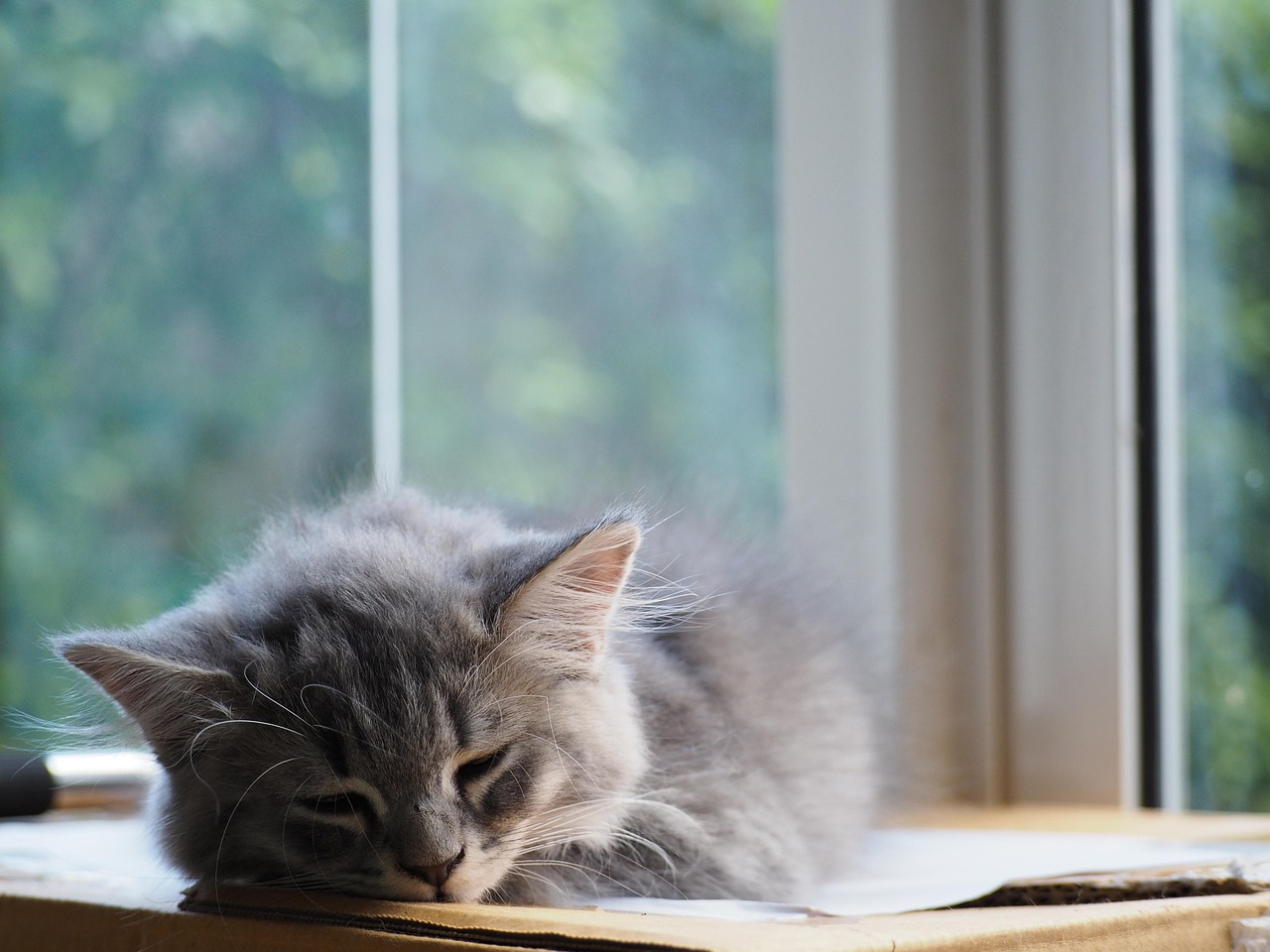
Understanding sleep disturbances in cats is vital for maintaining their overall mental health. Cats are known for their love of sleep, often snoozing for approximately 16 hours daily. Any deviation from this pattern can lead to potential mental health issues. Subtle signs indicating sleep problems may include increased restlessness, excessive vocalization, or changes in grooming behavior. Observing these behaviors closely can provide insight into your cat’s emotional state. Furthermore, stress can significantly disrupt a cat’s sleep cycle, leading to anxiety-relief mechanisms being compromised. This situation can create a feedback loop, where lack of sleep further intensifies stress. Environmental factors also play a significant role as bright lights, loud noises, or even neighbors’ pets can cause distractions. Owners must make their cats’ surroundings as comforting as possible. Providing cozy beds, quiet spaces, and natural light during the day can promote restful sleep. If concerns arise, consult with a veterinarian for tailored guidance. Remember that monitoring sleep patterns is essential not just for physical health but for mental wellness too. Addressing signs of disturbances early can prevent severe emotional challenges for your furry companion.
Recognizing common signs of sleep disturbances in cats is crucial for timely intervention. Changes in a cat’s typical sleep routine may signal underlying issues that require attention. For instance, if a cat suddenly starts sleeping less or exhibiting signs of agitation, this warrants an investigation. Additionally, increased aggression towards both humans and other animals may emerge as a manifestation of sleep-related problems. Cats may also show lethargy or appear unusually withdrawn if they are not getting proper rest. Behavioral signs can extend to inappropriate elimination or excessive hiding during the day. A sudden change in appetite can also accompany sleep disturbances, with some cats overeating while others lose interest in food altogether. Keeping a consistent daily schedule can aid in enhancing your pet’s sleep hygiene. Cats thrive on routine, and an erratic schedule might exacerbate sleep disruptions. Creating a calming environment is beneficial, such as employing soothing music or utilizing pheromone diffusers. Strategies such as engaging your cat in play before bedtime often help transition them into a relaxed state. Understanding that sleep affects mental health is essential, as it can directly influence mood and behavior towards their surroundings.
Impact of Sleep on Emotional Wellbeing
The impact of poor sleep quality extends beyond mere tiredness; it plays a pivotal role in a cat’s emotional wellbeing. When cats experience interrupted sleep cycles, they may become anxious or irritable, leading to behavioral changes. A consistent sleep schedule is essential for regulating a cat’s circadian rhythm, which in turn affects their mood and behavior patterns. The onset of stress-related behavior can also manifest due to inadequate sleep. Cats may exhibit signs of fearfulness, hiding more often, or being less willing to engage with their human companions. Ultimately, these behaviors can lead to a deterioration of the bond between you and your cat. Providing mental stimulation through puzzle toys can also counteract stress and anxiety that sleep disturbances often exacerbate. Encouraging interactive playtime can provide beneficial exercise while promoting a sense of security. Moreover, keeping your cat’s environment peaceful and comfortable aids restful sleep. Sometimes, a simple change in their sleeping area can alter their comfort levels significantly. Seeking the advice of a vet or feline behaviorist can also offer tailored solutions to ensure your cat’s emotional needs are met optimally.
Preventive measures are necessary for ensuring sound sleep for your feline friend. Environmental factors and routines should be addressed to enhance their sleeping patterns. One effective way to do this is by establishing a quiet and designated sleeping area, away from household hustle and bustle. Encourage your cat to use this space by placing cozy blankets or their favorite toys in the area. Using calming scents or soft music can also help create a serene atmosphere conducive to sleep. Moreover, regular play sessions leading up to bedtime can tire them out and reduce hyperactive behavior at night. Consider implementing a night routine that mirrors humans, allowing your cat to wind down. Feeding your cat a high-quality diet can also influence their sleep quality. Nutritional imbalances can contribute to sleep disturbances, leading to more anxiety and discomfort. It’s also beneficial to monitor their health regularly, as certain medical conditions can interfere with sleep. Providing a stable and loving environment is also essential, which can include regular petting sessions or gentle conversation. These actions contribute significantly to your cat’s overall comfort and security, promoting better sleep ultimately.
Healthcare and Professional Guidance
Professional guidance is vital anytime you notice signs of sleep disturbances in your cat. Consulting a veterinarian should be prioritized when behavioral changes are observed, as they can help rule out underlying health concerns. Health issues such as hyperthyroidism or diabetes can significantly impact sleep patterns. A thorough check-up may include blood tests and behavioral assessments to gain a better understanding of the situation. If necessary, veterinarians may recommend additional steps tailored to your cat’s unique needs. Behavioral therapy, in consultation with a feline behavior specialist, can provide more targeted strategies to resolve issues directly linked to sleep disturbances. Moreover, medications may sometimes be required if situational anxiety manifests alongside other signs. The significance of mental health for pets should not be underestimated, as it significantly impacts their physical health. A well-rested cat is typically a happier and healthier cat. Periodic sleep assessments can play a crucial role in observing improvements or deteriorations in sleep and overall behavior. Keeping a journal of any changes can aid your vet in formulating a suitable treatment plan.
Encouraging relaxation is essential for enhancing your cat’s sleep quality and overall mental health. Various products designed specifically for feline relaxation can support your cat’s needs. Calming collars infused with pheromones can create a tranquil environment that eases stress-induced behaviors. Additionally, utilizing soft bedding materials that are inviting while also supportive can encourage a cozy sleeping space. It’s advisable to avoid sudden changes to their environment, such as introducing new pets or altering routines, which can further stress your cat and disrupt sleep. Providing safe access to windows where they can sunbathe or watch birds can also enhance comfort and relaxation in their daily lives. Observe your cat’s behavior closely; if they enjoy specific areas in your home, cater to that preference by enhancing that space. Engaging in quiet play, such as gentle toy activities, can help maintain a relaxed atmosphere. Moreover, enrichment toys can keep them functionally employed, thereby reducing frustration and tapping into their instincts. This extra bit of care will go a long way towards supporting both mental health and sleep quality.
Conclusion on Sleep and Mental Health
In conclusion, the relationship between sleep and mental health in cats is deeply intertwined and imperative to understand. Sleep serves as a restorative process that rejuvenates their physical and emotional wellbeing, which should never be overlooked. Behavioral changes may be the first indicators of sleep disruption, signaling a need for attention and potential intervention. The effects of poor sleep can create long-term consequences that can negatively affect a cat’s behavior and relationships with humans. Providing proper sleep conditions, engaging in interactive play, and ensuring regular health check-ups contribute significantly to maintaining healthy sleep patterns. Furthermore, seeking professional assistance when needed helps ensure that no underlying issues are causing sleep disturbances to remain unresolved. Observational care is paramount; natural shifts in sleep habits can indicate stress or anxiety that must be addressed promptly. Prioritizing the welfare and comfort of your pets can lead to happier and healthier lives, benefiting both the feline and its human companions. By being observant and proactive, cat owners can enhance their four-legged friends’ quality of life, ensuring they grow into well-adjusted and content companions.
Overall, understanding your cat’s sleep needs will not only improve their mental health but also strengthen your relationship. Paying attention to the signs of sleep disturbances can lead to better communication and connection between you and your furry friend. Providing a supportive environment where your cat feels safe and loved can work wonders for their overall wellbeing.