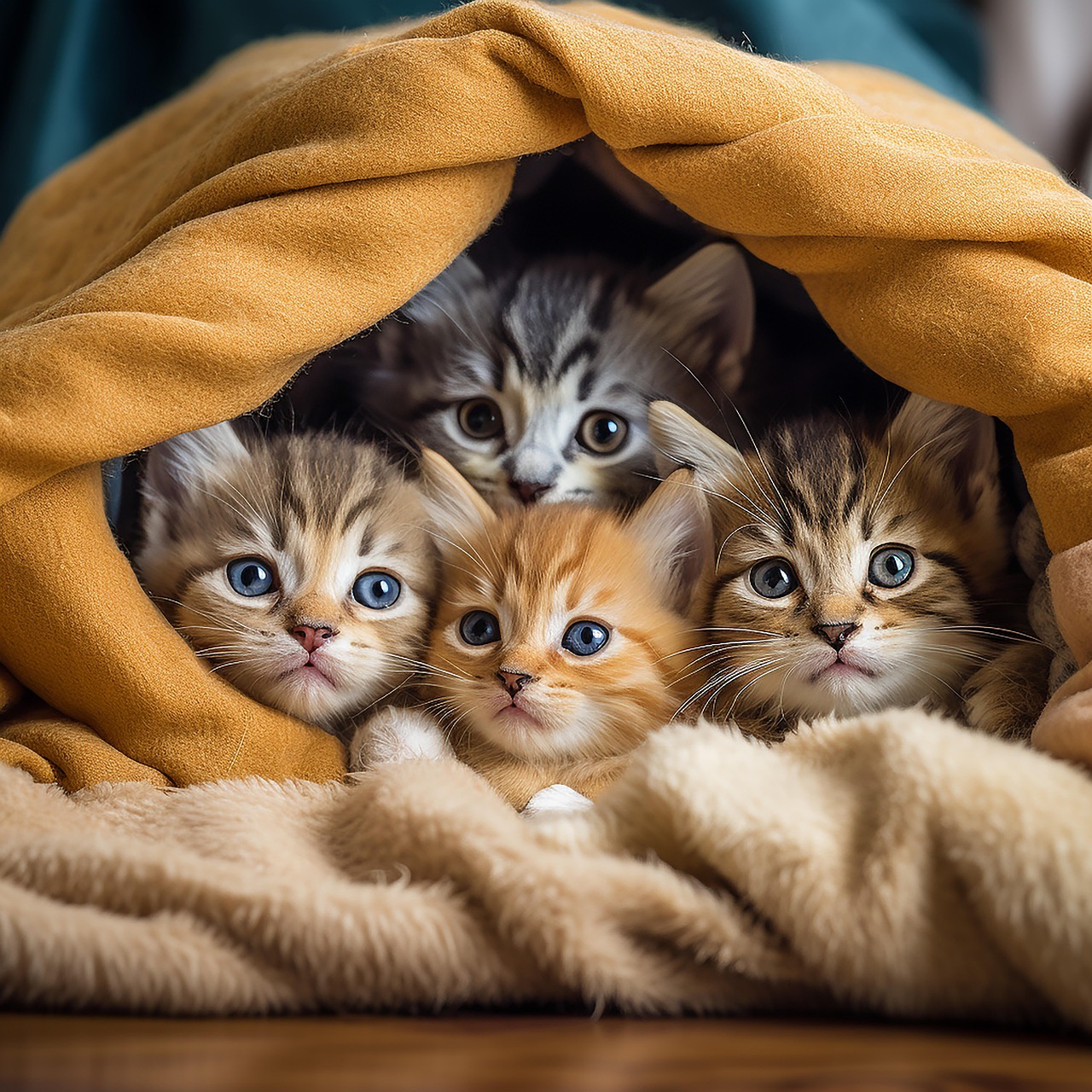

Socializing Multiple Litters: How to Ensure Proper Development
Socializing multiple litters is crucial in ensuring that kittens grow up to be well-adjusted and friendly cats. Begin this process early, ideally at around three weeks. This is a prime time for learning, exploration, and interaction. Familiarity with human voices and hands during this stage helps foster positive associations. Create a safe environment where kittens can interact with various stimuli. Introduce age-appropriate toys, safe spaces, and even gentle sounds, gradually increasing complexity. Each litter can contribute to the others’ development; thus, they should reside in a common area if possible, promoting interaction. Supervised play sessions should be organized daily. They allow kittens to learn social cues, develop their personalities, and engage in play that mimics hunting behavior. Consistent engagement will aid in building their confidence. Keep an eye on their interactions to prevent any negative behavior, stepping in if necessary. A balance of individual attention and group play is essential. Remember, the actions of the breeder significantly impact the social development of the kittens within these litters. Effectively nurturing these interactions will contribute to the kittens’ emotional stability.
Importance of Positive Interactions
Ensuring that kittens experience positive interactions with humans and other animals is essential. As they grow, social skills will influence their adaptability to different environments. Utilize different family members and friends to handle the litters, creating varied interactions. This exposure enables the kittens to recognize different voices, gestures, and human scents. Be mindful to limit interactions to calm, gentle individuals at first. Avoid overwhelming them with too many visitors simultaneously. Introducing them to other pets should also be gradual. Observing older pets’ behavior provides lessons in social interaction and hierarchy, under proper supervision. Ensure other pets are well-socialized and non-aggressive to foster a welcoming atmosphere. When integrating these animals, use a controlled environment to prevent stress. Slowly allow the animals to interact by using a barrier, such as a gate. Let the kittens develop their comfort at their own pace while ensuring that they know positive reinforcement. This can be executed through treats or praising calm behavior. These carefully orchestrated interactions lay the groundwork for the kittens becoming sociable and adaptable adults.
Regular playtime is essential not only for physical stimulation but for building social skills during interactions with multiple litters. Implement structured play sessions to maintain their focus and energy. Group playtime encourages healthy competition, allowing the kittens to test their agility and communication. Use a variety of toys to ensure that play remains interesting and engaging. The dynamic of multiple litters provides various play styles and preferences among the kittens. Observe their interactions to determine group dynamics and potential leadership roles. This exploration teaches conflict resolution and negotiation skills. Encourage sharing and turn-taking to keep playtime amicable. Reinforce positive interactions by intervening and redirecting when conflicts arise, promoting calm behavior. After play sessions, provide quiet time for the kittens to recover and reflect on their earlier interactions. Regular play and relaxed breaks contribute to a more balanced emotional state. A well-balanced routine will help them grow into secure individuals, ready to adjust to their future homes without behavioral issues, ensuring successful and positive lifelong outcomes.
Establishing Routines
Establishing a daily routine for the kittens is essential for their social and personal development. Consistent schedules provide predictability, which enhances their confidence. Set feeding, play, and socialization times, adhering to this timetable as closely as possible. Kittens thrive on routine; it provides them with a sense of security and well-being. Incorporate training sessions within this schedule to encourage learning basic commands and behaviors. These sessions can also be an excellent opportunity for bonding. Keep them short and consistent to match their attention spans. Use positive reinforcement techniques, like treats or praise, to reward desirable behaviors. Incorporate short car rides or trips in your routine to expose the kittens to different environments gradually. This exposure minimizes anxiety when they transition to their future homes. Regular handling and interaction during feeding time help them associate human presence with positive experiences. Take advantage of every moment to socialize; grooming sessions can also be included to familiarize them with handling vulnerability. As they grow accustomed to routines, kittens will feel more comfortable and secure in their behavior both in the litter and future homes.
Monitoring health and behavior during the socialization process is vital for multiple litters. Keep an eye on their physical condition and respond to any signs of illness or distress. Early intervention can prevent potential issues later in life. Observe their reactions during interactions with one another and with humans. Document any behavioral changes, noting those that may indicate discomfort or aggression. Identifying and understanding these behaviors allows for more effective management of interactions. Ensure each kitten receives individualized care, tailored to their unique needs. While nurturing a litter, consider their backgrounds; some may require more social exposure than others. Provide variety and flexibility in approaches to accommodate their different personalities. Spend time with each kitten, encouraging them to approach you in different ways. This experience can build trust and reinforce positive associations. Socializing multiple litters is not just a task; it is an intricate process that merits vigilance and adaptation. Healthy socialization experiences create a foundation for well-adjusted pets in their future lives.
Conclusion and Ongoing Support
The socialization of multiple litters is a significant responsibility that requires attention, consistency, and dedication. As the kittens grow and develop, the right interactions and positive experiences will inform their personality for years to come. Continue to implement socialization techniques throughout their development stages, through the first few months and into early adulthood. Regular interaction with different environments, people, and experiences ensures that they remain adaptable and confident. Even after transitioning to their forever homes, ongoing support and training will be essential. Maintain contact with the new owners, providing guidance on how best to integrate the kittens into their new lives. Encourage new owners to continue fostering positive experiences through routines, social exposure, and training. Share a timeline of the kittens’ development and signs of behavior observed during their time with you, offering insights into their characteristics. By equipping future pet owners with knowledge and tools, you help ensure success in maintaining the social development they need. The journey doesn’t end with the adoption; commitment to their growth as social beings underscores your dedication as a responsible breeder.
In conclusion, socializing multiple litters of kittens is an enriching journey that creates a lasting impact on their lives and those around them. As a responsible breeder, understanding the importance of careful socialization promotes healthier relationships between humans and pets. Ensuring a dynamic environment, fostering appropriate interactions, and documenting behavioral changes are key components that lead to well-adjusted cats in their future homes. Take time to educate yourself about the various techniques and resources available. Engage with fellow breeders and experienced professionals, sharing insights and learning new methods to enhance your practices. The responsibility of socializing kittens carries the promise of positive outcomes for both the animals and their families. Create a plan that encompasses all aspects of kitten socialization to enrich the overall experience for everyone involved. Always remember, the kittens look to you for guidance, safety, and love, and your dedication will shine through in their personalities. With proper socialization, you’ll be transforming their lives and making a significant difference in the world of cat breeding. Sharing this knowledge will ultimately contribute to a healthier, more connected feline community.
Lastly, the journey of a kitten through socialization is an unforgettable experience that highlights the connection between humans and animals. Implementing strategies that cater to the diverse needs of multiple litters prepares them for various life experiences. Taking care to introduce the right interactions at the proper stages promotes their overall well-being and mental health. Socialization should be viewed as an ongoing process rather than a one-time event. Regularly revisiting established routines and continuously learning from each interaction ensures that these kittens are given the best opportunities. As you develop your practices, celebrate the unique personalities that emerge from each litter. Each kitten is an individual with its quirks and traits waiting to blossom under appropriate guidance. Ultimately, the love and care poured into this process resonate with the kittens, shaping them into affectionate companions. Be proud of the role you play as a breeder; the foundation you build impacts not just their future but also the families who welcome them into their lives. A well-socialized kitten is not only a testament to effective breeding practices but also to the joy of nurturing and companionship.