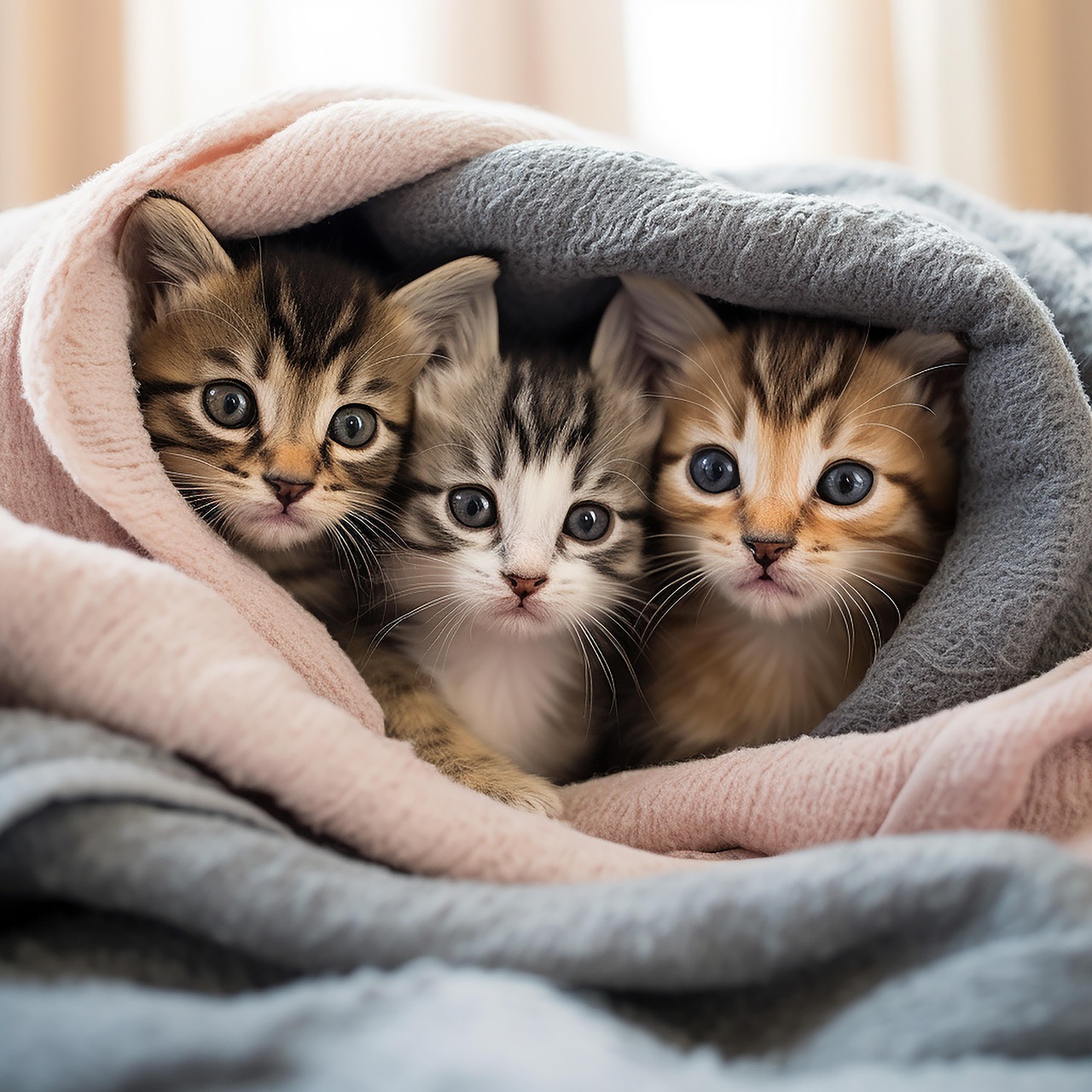

The Role of Routine in Cat Socialization and Adaptation
Cat socialization is crucial in helping your pet adjust to various environments and situations. Building a routine fosters a sense of security and familiarity in your feline friend, encouraging positive interactions with both humans and other animals. This process can lead to reduced stress levels, especially when encountering unfamiliar settings. A consistent daily schedule helps your cat learn what to expect throughout their day, breaking tasks down into manageable activities. Introducing new experiences one step at a time enables your pet to acclimate gradually, which is particularly important during significant life changes, such as moving to a new home or introducing new family members. A predictable environment can significantly enhance your cat’s comfort zone and well-being. For instance, maintaining the same feeding times, play schedules, and grooming routines will develop a sense of trust through familiarity. Using treats and positive reinforcement during these activities can help solidify the socialization process, turning tasks into enjoyable experiences. Therefore, establishing a routine is essential for helping your cat respond positively to socialization efforts, ultimately benefiting their overall behavior and happiness.
Socialization is not just a step in fostering a well-adjusted pet. It is an ongoing journey that significantly contributes to a cat’s mental health. Early stages in a cat’s life are critical; the first few months are when they learn social skills and adapt to their surroundings. Cats that are well-socialized tend to show less aggression and anxiety, making them more enjoyable companions. Encouraging interaction with various situations enhances this by facilitating a smoother adaptation process. For instance, introducing your kitten to diverse environments such as busy streets or different household noises increases their comfort in unpredictable situations. Each meeting provides new opportunities to learn and adapt. Additionally, creating a safe space in your home allows them to retreat to a familiar area when needed. This safe zone should include their favorite toys and blankets. These resources can aid in promoting confidence and security during stressful situations. Ultimately, ensuring ongoing socialization through various interactions can lead to more versatile and adaptable pets that thrive in their forever homes. A balanced combination of exposure, routine, and security will better prepare your cat to navigate its complex environment.
Importance of Safe Spaces
Creating safe spaces for cats is fundamental for their socialization process. A calm, secure environment encourages relaxed exploration, allowing your pet to engage with new experiences. When cats feel threatened or anxious, they often look for places to hide and regroup. Providing secluded areas with cozy beds or scratching posts can reduce stress and yield better socialization outcomes. Locations such as cat trees or quiet corners offer a perfect blend of exhibit space and retreat. Utilizing vertical space with shelves gives your cat the freedom to observe their surroundings from an elevated perspective, establishing greater control. Feeling safe advances their confidence when meeting new people or animals, paving the way for successful social interactions. Additionally, integrating play sessions within these safe zones can further encourage exploration without fear. Using interactive toys, like wand toys or laser pointers, promotes engagement and enjoyment. Always allow your cat to dictate the pace of their interactions; forcing them into a situation can result in lasting anxiety or fear. By reinforcing their sense of security and trust, you lay the groundwork for productive socialization during their formative years.
Routine greatly influences a cat’s ability to adapt to changes in their environment. Frequent, predictable interactions encourage healthy communication between pet and owner. This, in turn, leads to better social skills over time. Stressful experiences are often mitigated when your cat feels a solid sense of routine. For instance, if your cat is accustomed to the same grooming schedule or meal times, they will be calmer during anticipated changes. In contrast, introducing new experiences suddenly can lead to anxiety and potential behavioral issues. Moreover, it is essential to gradually expose your cat to new people or animals, allowing them to adjust at their own pace. Start with short visits before gradually increasing duration and complexity. Make encounters positive, using treats or praise to reinforce good behavior and create positive associations. The cornerstone of this gradual process relies on the routine you’ve established. Thus, maintaining a familiar schedule, even amidst changes, assists in promoting resilience while adjusting to new situations. This approach ultimately creates happier, more adaptable cats that thrive in dynamic environments.
The Role of Positive Reinforcement
In the context of cat socialization, positive reinforcement plays a critical role in establishing desirable behaviors. This method entails rewarding your cat for exhibiting specific positive actions. Utilizing treats, affection, or play sessions whenever your cat responds favorably to new experiences nurtures a beneficial association, leading to increased confidence over time. Consistency is key; rewards must be timely and closely follow the behavior you’re trying to reinforce. For example, if your cat interacts well with a new person, offering a treat gives them understanding that such behavior yields positive results. It’s essential to keep the encouragement light and enjoyable. Too much pressure during socialization attempts can backfire, making your cat fearful or withdrawn. Therefore, acknowledging small steps in progress is crucial; even slight advances should be celebrated. Creating a positive atmosphere makes socialization sessions enjoyable, further enhancing your cat’s experience. Avoid focusing solely on negative behaviors; instead, prioritize reinforcing the positive ones, shifting their focus away from fear toward curiosity. This approach ultimately fosters strong bonds between you and your cat, leading to improved interactions and adaptable pets.
Establishing regular playtime is another vital component of socialization. Engaging in interactive play sessions serves multiple roles, fostering physical exercise while nurturing natural instincts. Toys that replicate chasing movements or enable pouncing should be an essential part of your routine. Encouraging active participation allows your cat to explore their surroundings, encounter different textures and sounds safely. Gradually introducing novel toys during playtime can reinforce new experiences. Keep sessions varied to maintain your cat’s interest; rotate toys and introduce new items frequently to sustain enthusiasm. Observing your cat’s preferences leads to a better understanding of what engages them. In addition, planning structured playtime improves focus while minimizing potential negative interactions with aggression or play fighting. This approach encourages a more balanced and prepared pet during socialization opportunities. Play also stimulates the release of endorphins, promoting a sense of well-being, further enhancing their adaptability. Moreover, consistent playtime establishes a routine; as a result, your cat begins to anticipate enjoyable periods throughout their day. Remember, the aim is to create rewarding and fun interactions, which ultimately enrich their life, fostering more adaptable companions.
Conclusion: Embracing Routine for Better Outcomes
In conclusion, establishing a structured routine forms a foundation for effective cat socialization and adaptation. Consistent feeding, playtime, and safe spaces combine to create an environment that fosters trust, reduces anxiety, and enhances learning opportunities. Recognizing the importance of gradual exposure, reinforcement, and safe spaces ultimately leads to improved social skills in your feline friend. Every cat is unique, and being attentive to their individual needs can significantly enhance the socialization process. Tailoring routine practices to match your cat’s personality and experiences ensures successful adaptation to various changes. Engaging regularly with your cat not only strengthens the bond between you but also improves behavioral outcomes in social settings. As you navigate the socialization journey, remember to focus on positivity, embracing those small wins. Cultivating a loving and stable environment will pave the way for confident, socially adept cats that thrive in their homes. Prioritizing routine is a powerful tool that benefits both your pet and you as an owner. With time, patience, and commitment, you can help your cat become a well-adjusted, happy companion.
The Role of Routine in Cat Socialization and Adaptation
Cat socialization is crucial in helping your pet adjust to various environments and situations. Building a routine fosters a sense of security and familiarity in your feline friend, encouraging positive interactions with both humans and other animals. This process can lead to reduced stress levels, especially when encountering unfamiliar settings. A consistent daily schedule helps your cat learn what to expect throughout their day, breaking tasks down into manageable activities. Introducing new experiences one step at a time enables your pet to acclimate gradually, which is particularly important during significant life changes, such as moving to a new home or introducing new family members. A predictable environment can significantly enhance your cat’s comfort zone and well-being. For instance, maintaining the same feeding times, play schedules, and grooming routines will develop a sense of trust through familiarity. Using treats and positive reinforcement during these activities can help solidify the socialization process, turning tasks into enjoyable experiences. Therefore, establishing a routine is essential for helping your cat respond positively to socialization efforts, ultimately benefiting their overall behavior and happiness.