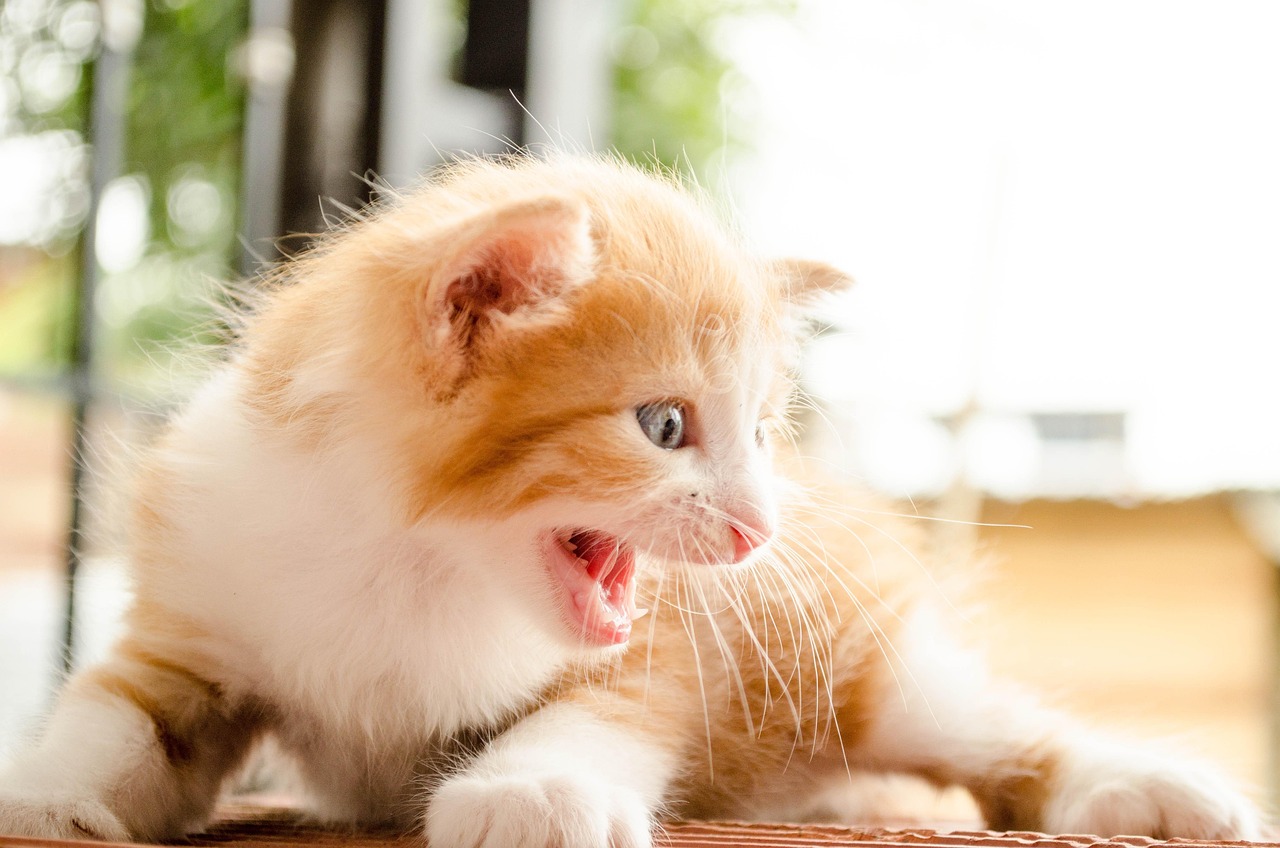

Tips for Playing Safely with an Aggressive Cat
Understanding your cat’s behavior is crucial when it comes to playtime. Aggression during play can stem from a variety of sources, including fear, excitement, or instinctual hunting behavior. It’s essential to recognize the signs that your cat may be feeling aggressive or overstimulated. Look for body language cues such as flattened ears, twitching tails, or focused stares. Establishing a safe environment reduces the likelihood of injury to both you and your cat. Consider playing in a designated area with minimal distractions and places to hide. Use toys that can create distance, such as long wands or laser pointers, to keep yourself safe. Limiting direct contact allows your cat to engage in their natural behaviors without escalating into aggression. Remember that playing should be an enjoyable experience, not a stressful one. Understanding these initial signs of aggression is the first step in ensuring safe playtime. Maintaining consistency in your play sessions and knowing when to stop is also vital. Setting boundaries helps reinforce positive experiences and mitigates possible aggression. Your goal is to create a safe space where both you and your cat can bond without fear of injury.
Choosing the right toys is fundamental for a safe and enjoyable playtime with your aggressive cat. Interactive toys are ideal as they keep your cat entertained while maintaining a safe distance. Some excellent toy options include feather wands, balls with bells inside, and laser pointers. Wand toys, for instance, provide the thrill of the hunt without direct contact, allowing your cat to engage their natural instincts safely. Additionally, soft toys can be used for cats to scratch and bite safely. Avoid using your hands or feet as playthings, as this may encourage aggressive tendencies. Cats often do not differentiate between play and real aggression, so this can lead to dangerous situations for you. If your cat becomes overly aggressive with certain toys, it’s essential to switch to a different type to keep playtime fun and positive. Monitor your cat’s behavior closely and provide plenty of mental and physical stimulation through a variety of toys. This will prevent boredom, which can lead to aggressive outbursts. Lastly, regularly checking and replacing worn toys ensures your cat has safe options to explore without becoming frustrated or destructive.
Establishing Boundaries During Play
Setting boundaries is crucial when managing an aggressive cat during play sessions. When you notice signs of aggression, it’s essential to cease play immediately. This helps your cat understand that aggressive behavior leads to the end of fun activities. Provide clear signals when you want to pause, such as using a specific phrase or sound. By establishing a routine, you can help your cat learn when to expect playtime and when it’s time to take a break. Additionally, try to end play sessions while your cat is still engaged and happy. This leaves a positive memory associated with the play session. Utilize a timer or schedule consistent playtimes to reinforce your cat’s routine. Timing is of utmost importance; play should always be balanced with rest. If your cat becomes too aggressive, try redirecting their energy with toys instead of your hands. Also, encourage play that doesn’t involve stalking. Create an environment where your cat can explore safely without engaging in aggressive behavior. Ultimately, it’s about creating mutual respect and understanding between you and your feline friend, all while keeping the play safe and enjoyable.
Positive reinforcement is another effective way to address aggression during play. Whenever your cat plays gently or exhibits calm behavior, reward them immediately with treats or affectionate praise. This reinforces the idea that gentle behavior leads to positive outcomes, encouraging your cat to repeat it in future interactions. Use high-value treats specifically for rewarding good behavior to amplify their positive experiences. This association will help your cat learn boundaries during play, ultimately reducing aggressive tendencies. It might take some time, so exercise patience and perseverance as you reinforce the behavior you want. Training your cat to understand reward systems can improve their demeanor not just during playtime, but throughout their daily life. Instead of reacting negatively to aggression, focus on redirecting your cat’s energy. Consider providing puzzle toys or engaging activities to keep them mentally stimulated while you work on behavior modifications. Undertaking this approach creates a more positive association around playtime, which can drastically alter their aggressive tendencies. Additionally, socializing your cat with other animals gradually helps them learn social boundaries, developing skills that lessen aggressive outbursts over time.
The Importance of Regular Playtime
Sustained regular playtime is vital for an aggressive cat to help them expend excess energy. Regular engagement significantly contributes to their mental and physical well-being. Active play keeps cats stimulated and satisfied, and it creates a more harmonious environment at home. Cats that do not receive sufficient stimulation may exhibit aggressive behaviors out of boredom and frustration, especially during solitary periods. Aim for multiple short play sessions throughout the day rather than less frequent but longer play times. Each session can be 10 to 15 minutes, encouraging consistent engagement without overwhelming your cat. By establishing a routine, your cat will start to anticipate playtime, helping reduce anxiety and aggressive tendencies. Remember that a well-exercised cat is often a happier and more relaxed one. During play, remember to change the types of activities regularly to keep them engaged. Rotate toys, incorporate different games, or even schedule exploration activities to keep the novelty fresh. This also helps prevent the likelihood of aggressive outbursts and keeps your cat from becoming fixated on specific behaviors. Overall, consistent engagement has numerous benefits for both you and your cat, leading to a more relaxed home environment.
Understanding your cat’s triggers can significantly contribute to safer playtime experiences. It is essential to differentiate between normal excitement and genuine aggression. Cats often have unique preferences and behaviors that may lead to aggression when challenged. Pay attention to your cat’s responses to various stimuli. For instance, some cats may become agitated around loud noises or quick movements, while others may react aggressively if startled. Keeping a diary to track your cat’s behavioral patterns can be highly beneficial, helping you identify specific triggers. Once you have identified their triggers, you can work to minimize their exposure during playtime. Adjust your play styles accordingly and choose areas where your cat feels relaxed. Offering gentle introductions to new environments and scenarios prepares them better for engaging play. Furthermore, consider introducing feline pheromone diffusers to help create a calming atmosphere. This approach helps alleviate anxiety and preemptive aggression. Over time, as you build your cat’s confidence and reduce their stressors, you will likely notice improvements in their play behavior. Addressing these triggers comprehensively can create a more enjoyable experience for both you and your aggressive feline companion.
Monitoring Playtime Duration
Monitoring playtime duration is critical for managing aggression in cats. Overstimulated cats can quickly transition from playfulness to aggressive behavior, so keeping sessions short and controlled is beneficial. Experts recommend limiting play sessions to around 10 to 15 minutes. It’s better to have multiple short sessions distributed throughout the day than one long session where aggression may escalate. After each session, give your cat a chance to calm down before trying again. Provide them with a relaxing spot where they can retreat after intense play, giving them space to recharge. This will help your cat associate play with positive experiences, ultimately reducing aggression over time. Create a safe environment by ensuring that all playthings are safe and designed specifically for cats. Items like strings or small toys should be avoided, as these can pose choking hazards if left unattended. Ensuring the safety of your environment allows pets to express themselves freely. Lastly, being consistent in your approach reinforces behavioral learning in cats, making it crucial to maintain a designated playtime schedule. Overall, managing playtime duration effectively creates a safer experience for your aggressive cat and a more enjoyable interaction for you.
Finally, don’t hesitate to seek the help of a professional if aggression during play persists. Consulting a veterinarian or animal behavior expert can provide valuable insights tailored to your cat’s specific needs. Sometimes there might be underlying medical issues contributing to aggressive behavior. A vet can rule out pain-related problems that may provoke aggression when engaging in playtime. On the other hand, professional animal behaviorists can help design custom behavior modification plans aimed explicitly at your cat’s aggressive tendencies. They can help identify underlying issues and provide strategies to alter these behaviors effectively. Family dynamics also play a significant role; ensuring everyone in your household understands how to engage with your aggressive cat appropriately is essential. Education about cat behavior can prevent unintentional triggers from escalating aggression. Enlisting the help of professionals ensures that you approach your cat’s behavior with the best practices, ensuring not only their safety but also your own. With time, patience, and proper guidance, your aggressive cat can learn positive play habits. And above all, improving the bond you have with your feline will lead to a happier and healthier relationship for both of you.