
Understanding Canine Body Language During Socialization
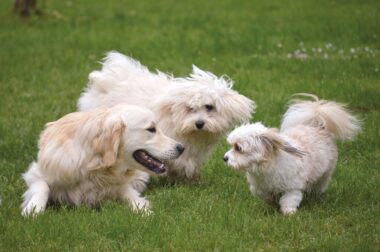
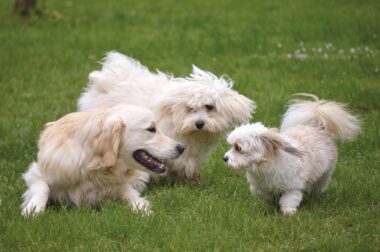
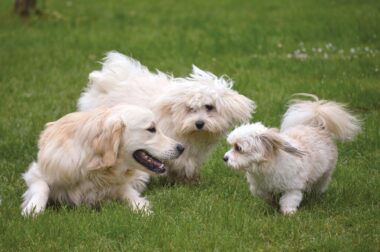
Socializing your new dog is a fundamental aspect of responsible pet ownership. Understanding canine body language can greatly enhance this process. Dogs communicate primarily through their bodies, and learning these signals fosters better interactions. When approaching another dog, observe their body posture closely. If they appear stiff and tense, this might be a sign of uneasiness. Alternatively, relaxed movements suggest comfort and openness. Ears, tails, and facial expressions also reveal your dog’s feelings. A wagging tail often indicates excitement, but its position is crucial. A high, fast wag might denote agitation, while a slow wag shows a more relaxed demeanor. Furthermore, consider your dog’s mouth. A slightly open mouth can indicate relaxation, while a closed mouth might suggest tension. To ensure effective socialization, gradually introduce your dog to different environments and various dog breeds. Each interaction is an opportunity for growth. Always supervise your dog during these introductions to manage any potential conflicts. Reinforce positive interactions with treats or praise. Keeping your dog calm and confident will benefit their social abilities significantly during these critical early experiences.
Noticing the signals your dog sends out to others can make a world of difference. Dogs utilize their tails as a communication tool, and understanding this can reduce misunderstandings. A tail up in the air often indicates a happy and confident dog. However, if their tail is tucked between the legs, this suggests fear or submission. Pay attention to the overall posture of your dog during social encounters. A dog that stands tall and relaxed is more likely to feel safe than one curled into a ball. Aside from physical cues, vocalizations such as growling or whining add another layer to canine communication. Growling often acts as a warning, while whining may signal distress or excitement. Furthermore, initiating socialization from a young age prepares your dog to handle various situations confidently. Early exposure cultivates a balanced and adaptable adult dog. Introduce basic commands consistently with positive reinforcement, as this will strengthen your relationship. The bond between a dog and owner is vital for effective communication. Spend quality time with your pet, ensuring they feel loved and secure during these learning experiences.
Recognizing Stress Signs in Dogs
During socialization, recognizing signs of stress in your dog is essential. Some dogs may become anxious in new situations, which can lead to behavior changes. Common stress signals include yawning, lip licking, and excess panting. If your dog shows these symptoms, it’s vital to take a step back. The social experience should be positive, not overwhelming. If you notice your dog closing its mouth, turning its head away, or attempting to hide behind you, they are likely feeling frightened. Always respect your dog’s limits and provide them with ample time to decompress. Gradually increase the intensity of social situations to build up their tolerance. Additionally, use treats to reinforce a calm demeanor in your dog during encounters. Slowly introducing your dog to new friends—both human and canine—can also create positive associations in social settings. For example, meeting just one friendly dog at a time can reduce tension. Make sure to choose calm and well-socialized dogs for initial introductions. Watching closely for both positive and negative responses will help you gauge how to proceed with each unique situation.
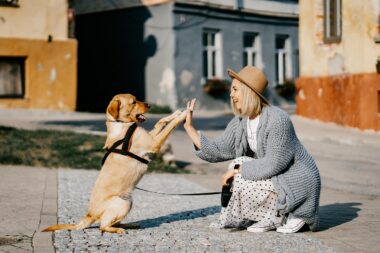
Creating positive experiences for your dog begins with consistent practice and patience. You can encourage good behavior by rewarding your dog when they display appropriate interactions with others. Carry treats during walks to reinforce good behaviors, such as sitting calmly or greeting another dog politely. Bring your dog to places where they can encounter various people and other animals without overwhelming them. Dog parks, pet stores, and training classes are excellent environments for exposure. Keep the initial visits brief to avoid fatigue. Additionally, using the “watch me” command can redirect your dog’s focus during moments of stress. This command reinforces your presence, reducing distractions from anxious stimuli. Empower your dog to interact at their pace, allowing them to feel more in control of their responses. Engage them in fun games like fetch or hide-and-seek to build their confidence outdoors. Building rapport through positive experiences teaches them to feel safe with you and encourages exploration. Socialization is a gradual journey that should be enjoyable for both you and your dog. By comprehensively understanding your dog’s body language, you’ll create a more successful and rewarding socialization experience.
The Importance of Consistency in Training
Consistency is crucial when socializing your new dog effectively. It helps establish clear expectations and builds trust between you and your furry friend. Set regular playdates with other well-mannered dogs to make socialization a routine part of your dog’s life. Choose environments where they feel safe and gradually introduce new experiences. Use the same cues and commands to communicate with your dog consistently. Mixed signals can confuse them, which may lead to frustration in training. Avoid punishment, as it can create fear and anxiety, hindering their social growth. Replace negative reactions with positive reinforcement; reward your dog for desired behaviors, helping them feel secure in social situations. Keeping sessions short but frequent helps retain your dog’s interest and enthusiasm. This also allows for adjustments based on their comfort level. If they are starting to feel overwhelmed, give them a break. Graduating to more challenging environments intensifies their learning experience. Always give your dog time to adapt while maintaining your routine. Additionally, working together with a professional trainer can provide valuable insights, ensuring that you adopt effective socialization strategies.
After achieving initial success in social interactions, you must continue reinforcing your dog’s good behavior during ongoing socialization. Keep exposing your dog to various situations to maintain their comfort and adaptability. Look for small ways to incorporate social scenarios into everyday life. For instance, take them to local events or dog-friendly cafés to familiarize them with different sounds, sights, and people. Encourage calm interactions with strangers, advancing at a pace comfortable for your dog. Gradually work towards larger gatherings as their confidence increases. As you devote time to their development, educate yourself on canine body language by observing other dogs in public spaces. This will enhance your understanding and help you interpret situations better. Socializing is not merely a task, but an ongoing commitment to your pet’s overall well-being. Model the behaviors you want to see in your dog, as they will often mirror your actions. Encourage them to investigate new environments and experiences confidently. Over time, regular socialization will nurture your dog’s strengths and minimize their fears, ensuring they grow into a well-adjusted and confident adult.
Conclusion: Nurturing Your Dog’s Social Skills
In conclusion, socializing your new dog is essential for fostering a happy and well-adjusted pet. Understanding canine body language plays a vital role in this journey. You can vastly improve their experiences by recognizing signals of stress and comfort. Consistently engaging your dog in various social situations helps develop their skills and confidence. Remember that quality interactions are more critical than the quantity of encounters. Teaching your dog through positive reinforcement encourages them and builds a strong bond between you. Socialization is a continuous process that evolves as your dog experiences new environments and situations. Commit to nurturing and adapting the experiences you provide in a positive light. Your understanding of their body language will guide you in recognizing when they need encouragement versus reassurance. Celebrate progress with rewards. Ensure that both you and your dog enjoy the process. Your dedication will ultimately lead to a happier, more confident companion who is well-adjusted to handle the challenges of life. Embrace the journey together, and your dog will thrive in many social situations throughout their lives.