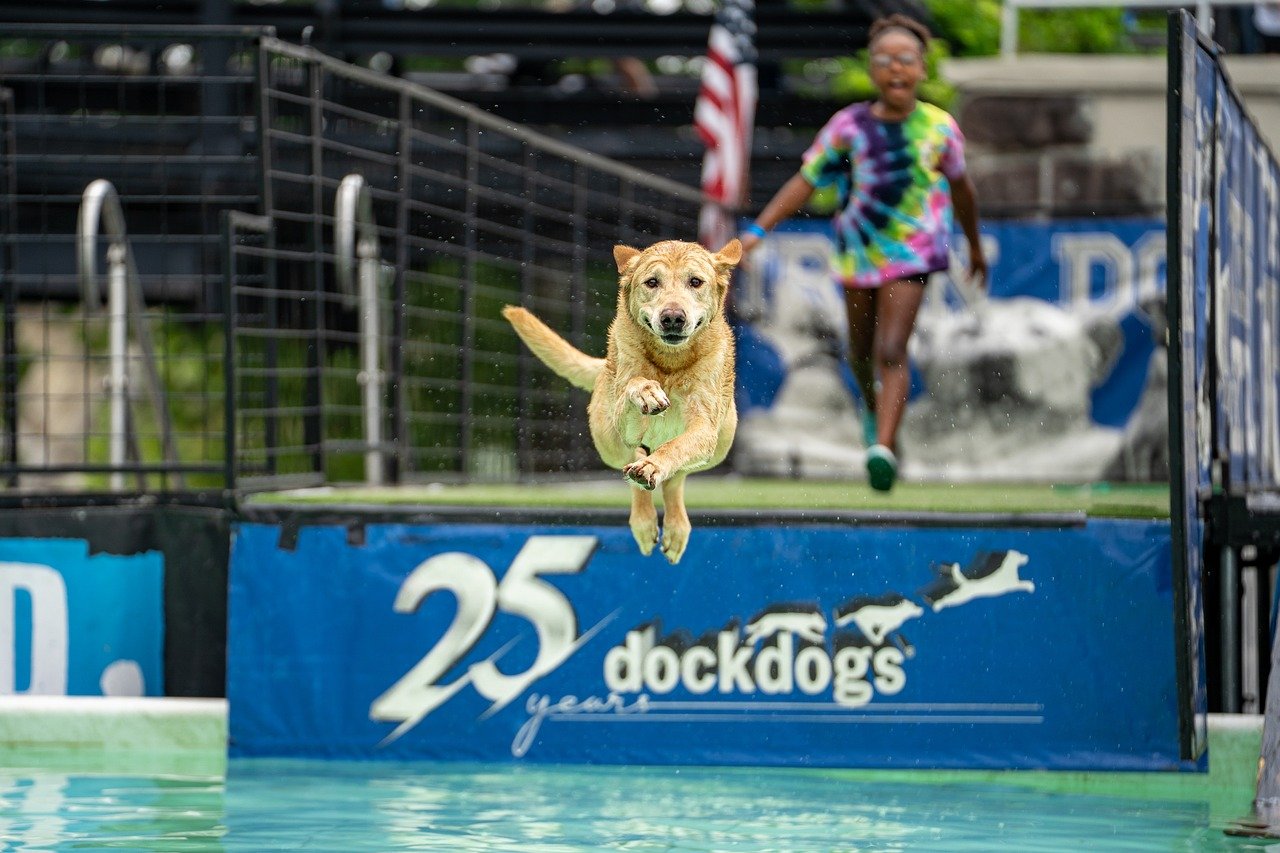

Understanding the Rules of Multi-Dog Dock Diving Events
Multi-dog dock diving is an exciting sport for dog lovers, combining skill, teamwork, and competition. Understanding the basic rules is essential for both participants and spectators. Dock diving consists of dogs leaping from a dock into a body of water, competing for distance or height. However, multi-dog dock diving involves various dogs competing simultaneously, creating unique challenges and thrills. It’s crucial to familiarize oneself with the governing body’s rules that oversee events. Each competition may have specific regulations regarding the jumps, scoring, and participation. Typically, handlers must ensure their dogs are well-prepared, trained, and comfortable with the environment. Additionally, all canines should be in optimal health to participate safely. The handlers need to manage their dogs effectively during the event to prevent accidents and ensure a smooth running of the competition. Meeting these requirements sets the foundation for a successful and enjoyable experience at multi-dog dock diving events. Safety for the dogs should always come first, so it’s advised to engage a veterinarian’s consultation prior to the competition. This foundational understanding prepares everyone for an exhilarating event.
During multi-dog dock diving, there are specific scoring systems that judges implement to evaluate the performances of participating dogs. Jump distance is often measured to establish how far each dog leaps into the water after leaving the dock. Judges typically record the best jump distance of each dog accurately. In multi-dog events, things get complicated as teams of dogs often launch off the dock concurrently. Special attention is given to how well the handler manages multiple dogs at once, emphasizing elements of teamwork and coordination, which can influence scoring. Additionally, each dog must display enthusiasm for the jump to receive higher scores. Furthermore, clear communication between handler and dogs is vital for success. Each judge has a set of criteria that includes not just jumping distance or height; enthusiasm and style also play crucial roles. Competing teams often develop distinct strategies to showcase their dogs’ talents while managing the complexities of having multiple dogs. This strategic component adds depth to the sport, making it exciting for participants and audiences.
Handler Responsibilities in Multi-Dog Events
Handlers are indispensable in multi-dog dock diving events. Their primary responsibilities include ensuring the safety and well-being of their dogs and managing them effectively during competitions. Each handler must be equipped with the knowledge to navigate the unique challenges presented in multi-dog scenarios. They must communicate clearly with their dogs amid potential distractions from other competing teams. This communication often involves using specific commands and cues that the dogs recognize effectively. Training ahead of competitions is crucial, reinforcing these commands in well-simulated environments resembling actual event conditions. Handlers also play a pivotal role in motivating their dogs to perform at their best, emphasizing the importance of positive reinforcement throughout the training process. Moreover, handlers are tasked with adhering strictly to competition regulations. This adherence ensures a level field for all competitors. Collaboration with fellow handlers also contributes to a rich event atmosphere, ultimately promoting sportsmanship and camaraderie. Enthusiastic handlers create a vibrant atmosphere that delights spectators while encouraging healthy competition among the participating dogs.
In multi-dog dock diving, environmental factors significantly impact the competition. Weather conditions, water quality, and dock surface can all affect performances. Handlers must be prepared to adapt their strategies based on these elements. For example, rain can lead to slippery surfaces, requiring dogs to approach jumps cautiously. Similarly, extreme heat can fatigue dogs quickly, necessitating adequate hydration breaks during events. Participants need to assess rescues available in case of inclement weather conditions, ensuring their canine partners are safe throughout the competition. Additionally, ensuring clean and safe water bodies is imperative, as it influences the dogs’ performance and wellbeing. Event organizers typically monitor these factors closely and implement necessary adjustments to guarantee a safe environment. Furthermore, handlers should familiarize themselves with the event’s layout in advance, noting areas prone to challenges. This understanding is critical as it directly influences how each team approaches their jumps. Anticipating these environmental challenges is essential in formulating an effective plan for success during multi-dog dock diving events. Always remaining observant enables handlers to maximize their dog’s potential.
Judging Criteria in Multi-Dog Dock Diving
When it comes to evaluating multi-dog dock diving competitions, judges rely on specific criteria to ensure a fair assessment of each team’s performance. The most obvious criterion is the distance or height achieved by each dog during the competition. Judges must carefully measure each jump to determine ranking accurately. They often look for proper technique, such as how smoothly a dog approaches the dock, launches off, and enters the water. Additionally, each dog’s enthusiasm and style can influence scores significantly. Judges value energy and excitement, as they recognize the entertaining aspect of multi-dog events. Another crucial aspect is teamwork between the handler and the dogs; judges appreciate cases where handlers effectively manage multiple dogs showcasing individual talents. Observing how well dogs respond to their handlers may also impact overall scores. Consistency across these criteria is pivotal, as judges offer feedback to participants, helping them improve for future events. Understanding these judging parameters allows handlers and dogs to align their training efforts, ultimately leading to better performances in competitions.
Participation in multi-dog dock diving requires more than just training for the dog; it also means securing the right gear. Handlers must ensure they have the appropriate equipment to support their dogs effectively during competitions. Jumping vests, life jackets, and leashes designed for aquatic environments make up essential gear for any competitor. Additionally, having the right training tools at hand can facilitate better preparation for upcoming events. For instance, using platforms that mimic docks aids in training. This type of preparation enhances not only the dogs’ jumping ability but also their confidence and comfort in taking leaps into the water. Furthermore, investment in high-quality gear often improves safety during events, as these elements are designed to withstand the vigorous activity of jumping. Proper equipment allows for seamless transitions between training and competition. It’s also helpful to carry a first-aid kit tailored for dogs, ensuring quick action in case of accidental injury during events. Ultimately, being well-prepared with the right gear increases the success rate for both handlers and their beloved canine companions.
Training Techniques for Multi-Dog Dock Diving
Effective training techniques are vital for success in multi-dog dock diving events. A balanced mix of individual and team training sessions can significantly enhance performance during competitions. Initially, each dog should undergo basic obedience lessons, focusing on recall and focus commands. Subsequently, gradually introducing them to dock jumping helps build their confidence and familiarity with the activity. During practice, handlers can use positive reinforcement to encourage desired behaviors, reinforcing enthusiasm for jumps. Additionally, organizing joint practice sessions with other competing dogs helps simulate actual event conditions. This collaboration fosters a spirit of friendly competition, further motivating each dog to perform better. It’s essential to monitor the dogs closely during these joint training sessions, ensuring that they remain focused and avoid distractions. Additionally, handlers should consider using toys or treats to keep dogs engaged while practicing jumps. Incorporating variations in training — such as different heights and distances — enables dogs to adapt their techniques effectively. Regular evaluations of each dog’s progression allow handlers to tweak training routines, ultimately paving the way for successful multi-dog dock diving performances.
Multi-dog dock diving events are a thrilling spectacle bringing together numerous dogs and handlers, showcasing their skills in navigating various challenges. Understanding essential elements, including rules, training techniques, and judging criteria, promotes a positive and competitive atmosphere, seamlessly blending excitement with sportsmanship. Handlers and dogs alike must prepare adequately, ensuring they can adapt to environmental factors that might arise during competitions. Emphasizing teamwork and cooperation between multiple dogs is crucial to achieving success in these exciting events. Investing in the right gear and focused training plays a critical role in preparing both dogs and their handlers for the thrilling experience of dock diving. Often, these events are about building camaraderie among handlers and spectators, enhancing the dog-loving community’s spirit while enjoying a day of thrilling performances. Observing different techniques and strategies in dock diving encourages participants to refine their skills while fostering friendships and competition alike. Ultimately, the goal is not just about winning but enjoying the journey together, celebrating the bond between dogs and their humans united by their passion for this exhilarating sport.