
Addressing Public Concerns and Opposition to TNR Programs
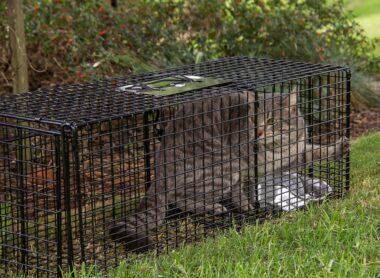
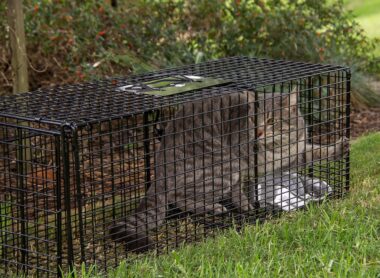
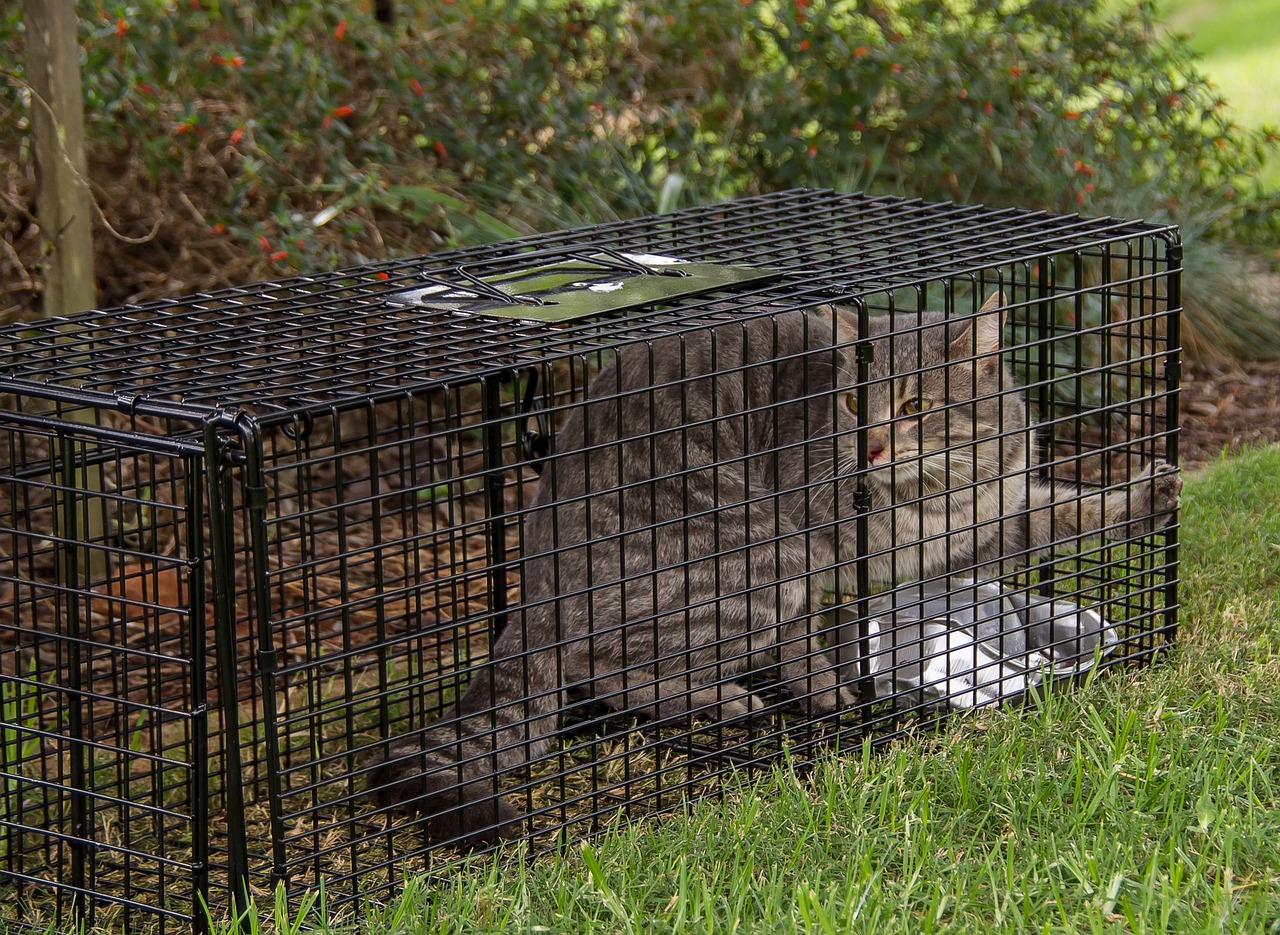
Trap-Neuter-Return (TNR) programs have gained traction in managing feral cat populations. However, public concerns persist regarding their efficacy and ethics. Many community members believe that TNR does not adequately address the overpopulation issue, causing questions about its long-term impact. Understanding TNR involves recognizing that it is a humane solution, preventing unnecessary euthanasia. The process begins with trapping feral cats, taking them to a vet for neutering or spaying, vaccinating them, and returning them to their colonies. This approach not only decreases birth rates but also helps improve the health of existing feline populations. Many argue these initiatives pose threats to local wildlife, particularly birds. However, studies show that responsible TNR can reduce predation without leading to further cat overpopulation. Educating the public about TNR’s benefits is crucial in shifting perceptions. Those involved in TNR programs must work transparently, showcasing their results and outcomes to address skepticism. Communication and outreach efforts are essential in dispelling myths surrounding these initiatives. Better understanding can foster support and participation in TNR efforts across communities, benefiting both cats and the ecosystems they inhabit.
Despite numerous benefits associated with TNR, there are still those who are staunchly opposed to its implementation. A common argument against TNR programs is the perceived ineffectiveness of managing feral cat populations. Critics often emphasize that these programs do not reduce the number of feral cats significantly in the short term. Conversely, defenders of TNR assert that they are a long-term solution that promotes stronger cat health and stabilizes populations. One way to counter public opposition is to present data demonstrating the success of TNR initiatives in various regions. For instance, cities that have adopted TNR often report decreases in feral populations over time, leading to healthier colonies. Additionally, TNR can mitigate community nuisance issues, such as noise and odor from unaltered feral cats. Another key aspect is that TNR fosters a sense of responsibility among community members. When individuals are involved in the care of feral colonies, they develop a sense of investment in their well-being, paving the way for compassionate solutions. Addressing misconceptions and providing accurate information can ultimately lead to widespread acceptance of TNR as an effective animal management strategy.
Community Engagement and Education
Engaging with the community is essential for the success of TNR programs. Public opposition can often stem from misunderstandings and misinformation about the goals and impacts of these initiatives. Community educational programs can dispel myths about TNR and promote a better understanding of its benefits. Local workshops or informational sessions can empower residents to participate actively in caring for feral cats and advocate for these programs. One effective strategy is to share success stories from other communities that have implemented TNR, showcasing how these programs have positively affected both the feline population and the local environment. Providing materials, such as pamphlets and brochures, allows residents to learn about TNR at their own pace. Engaging local veterinarians in outreach efforts can lend credibility to TNR programs, as veterinary professionals can explain disparities in feral cat care and advocate for spaying and neutering. Involving schools and youth organizations can help cultivate public support, embedding compassion for animals in the younger generation. This multi-faceted approach allows TNR proponents to effectively counter opposition and build a supportive network for future initiatives.
In addition to community engagement, addressing public concerns about TNR involves collaboration with local wildlife organizations. For many individuals, concerns regarding the ecological impact of feral cats can be a significant barrier to supporting these initiatives. Collaboration with ecologists and conservationists can form a comprehensive approach that balances feral cat management with wildlife protection. By conducting research, TNR advocates can better understand local ecosystems and develop targeted strategies that minimize potential harm to native species. This might involve creating guidelines that outline best practices for TNR in sensitive habitats. Furthermore, partnerships with wildlife organizations can lead to valuable resources and grants to foster TNR initiatives. Joint education programs can also highlight coexistence strategies, promoting harmony between feral cat populations and local wildlife. Learning how to modify feral cat feeding and management practices allows these programs to be tailored to community needs. By ensuring that stakeholders from various sectors are engaged, TNR advocates can create a more inclusive conversation around feral cat management. This unified approach can provide a framework for implementing successful TNR programs, addressing both community and ecological concerns.
Policy Advocacy for TNR Implementation
Advocating for policies that support TNR initiatives is crucial for addressing public opposition and improving overall acceptance. Local governments play an essential role in legislating and funding TNR programs, ensuring their viability in communities. Community advocacy groups dedicated to animal welfare can push for ordinances aimed at promoting TNR, including support for spay-neuter vouchers and funding for neutering clinics. Moreover, they can work to establish regulations that allow for the safe management of feral colonies while requiring responsible cat ownership. Collaborating with local lawmakers helps to create a clearer picture of the importance of TNR for both animal welfare and public health. Presenting compelling data and case studies can sway policymakers to support TNR initiatives as feasible solutions to the growing feral cat problem. Successful advocacy can result in an influential partnership with government entities, leading to more resources devoted to TNR. Ultimately, the goal is to foster an environment in which TNR programs can thrive sustainably. This ensures that stray and feral cats receive the care they need while mitigating concerns from the public and improving community relations.
Additionally, addressing concerns surrounding TNR requires an understanding of the diverse perspectives present in any community. The opposition may come from various stakeholders, including residents, wildlife advocates, and local businesses. Engaging with these groups can provide valuable insights into their concerns while finding common ground on maintaining healthy feral cat populations. Taking the time to listen to these concerns can help TNR advocates tailor their messages effectively. For instance, discussing how TNR reduces pest populations, such as rats, can resonate positively with some community members. Moreover, TNR programs that incorporate community input tend to have higher chances of success. Providing opportunities for residents to have a say in TNR decision-making fosters a sense of ownership and accountability. This not only encourages acceptance of TNR but also builds community resilience. Collaborating with local businesses can create promotional opportunities, attracting customers interested in animal welfare. This collaboration may also lead to sponsorship for TNR initiatives or funding opportunities for caring for feral cat colonies. Thus, creating a two-way dialogue will strengthen community bonds and enhance support for TNR programs.
Conclusion: Fostering Acceptance for TNR
In conclusion, addressing public concerns and opposition to TNR programs involves concerted efforts in education, community engagement, and policy advocacy. By recognizing the various viewpoints that exist within communities, TNR proponents can create inclusive dialogues that promote understanding. This leads to a significant reduction in misconceptions about feral cats and TNR initiatives, ultimately benefiting all stakeholders involved. Engaging community members and fostering ownership in caring for feral cats can cultivate support for TNR as a humane solution to overpopulation. Furthermore, partnerships with wildlife organizations lend credibility to these initiatives, allowing for a more balanced approach to conservation. Advocating for supportive policies at the local level helps secure much-needed funding and resources to ensure the effectiveness of TNR programs. The ongoing commitment to transparency, education, and engagement ultimately paves the way for sustainable change. Only through these collaborative efforts can TNR fulfill its potential as a compassionate solution for feral cats, aiding in managing populations while healing communities. Continued advocacy and open communication is essential in fostering acceptance for TNR initiatives in every neighborhood.
This is another paragraph with exactly 190 words…