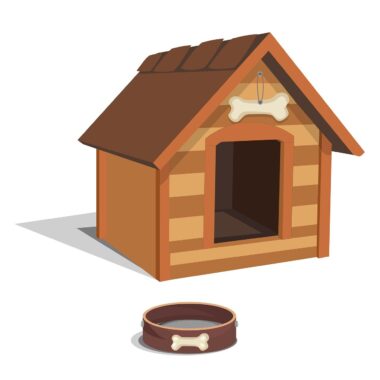

Emergency Weatherproofing Tips for Dog Houses During Storms
When storms approach, ensuring your dog’s house is weatherproof is vital for their safety and comfort. Start by checking the structure for any leaks or gaps. A well-insulated dog house protects from harsh winds and rain. Use weather stripping around doors and windows to prevent moisture. Reinforce the roof if it shows signs of wear; tarps can temporarily secure it. Determine how your dog reacts during storms, as pets can sense changes in the atmosphere. Move their house to a sheltered location if possible, away from falling branches. Create a cozy, warm environment inside using blankets or straw as bedding. It’s essential to elevate the dog house off the ground to prevent flooding. Proper drainage around the house will direct water flow away from your pet’s shelter. If you’re expecting severe weather, consider bringing your dog inside if space permits. Lastly, keep emergency gear handy, including dry food, water, and a first-aid kit, to ensure readiness. Monitor the forecast to stay prepared for unexpected weather conditions that may arise. Your active preparation can make a significant difference in your dog’s well-being during storms.
Consider reinforcing the foundation of your dog house to withstand heavy winds during storms. One effective method is to anchor the house to the ground using brackets or stakes, preventing it from being tipped over. This is especially important in areas prone to high winds or hurricanes. In addition, examine the materials of the dog house; wooden houses should be treated with waterproof sealants to enhance durability. If you have a plastic dog house, ensure it’s UV-resistant to avoid heat-related issues. You might want to add a sturdy tarp that can function as a temporary cover during intense storms. These setups create an additional layer of protection for your pup. Use windbreaks, like fences or shrubs, to protect the dog house from harsh gusts. Positioning these windbreaks strategically can significantly reduce the wind’s impact. Inside the dog house, keep items organized to prevent clutter that may lead to discomfort during storms. Furthermore, monitor the internal temperature as high humidity can harm your dog’s health. A well-prepared setup will offer safety and provide peace of mind for pet owners.
Preparing for Severe Weather
Preparing for severe weather goes beyond immediate concerns; it’s about the long-term safety of your dog. Install a waterproof cover over the existing roof to channel water away effectively. It’s crucial to check for any protruding nails or boards that can injure your dog, as they can cause unnecessary harm. Reinforce the entryway to make it more resilient against strong winds. If your dog is anxious during storms, some elements can create a calming environment within their house. Use pheromone diffusers or calming collars designed to keep pets relaxed during stressful situations. Personalizing their space can help significantly! Arrange the interior with their favorite toys and blankets to create a safe sanctuary. Consider getting a heater or cooling pad that regulates temperature in extreme weather. Additionally, practice safety drills, so your dog becomes familiar with emergency protocols, including evacuations. A collaborative effort between you and your dog will build a stronger bond in a crisis. Stay attentive to weather alerts and be proactive in taking preventative measures for your furry companion’s safety and comfort during storms.
Evaluating potential hazards near the dog house during storms is a proactive measure to ensure safety. Assess nearby trees and structures that could fall or debris that may pose threats. Clearing away branches and heavy foliage will help minimize risks. If you have a fenced area, ensure that the gates are securely locked, preventing escape in chaotic situations. Anticipate rising water levels and avoid areas prone to flooding; relocation may be necessary if severe weather is imminent. Sturdy dog houses should withstand heavy rains, but flooding can pose a serious risk. Look for elevated designs that keep the house high and dry, often featuring a raised floor. Utilizing barriers can aid in diverting water away from the dog house, ensuring that your pet has a safe space. Offer multiple options for shelter or shade, and if the storm looks severe, secure an alternate location for them inside your home. Consistency and preparedness reduce panic and stress for both you and your furry friend. Regularly reviewing safety protocols ensures a swift response during emergencies.
Emergency Supplies for Dog Safety
Equipping yourself with essential emergency supplies ensures your dog’s safety during unexpected weather. Assemble a dog emergency kit featuring crucial items such as water, food, a leash, and identification tags. Keeping a first-aid kit handy allows you to promptly address any injuries that may arise. If possible, include a flashlight with extra batteries; it can be crucial for nighttime storms. Think about including a basic toolkit for emergency repairs to the dog house should any issues arise. A temporary emergency shelter or crate is also a wise addition; it can provide a safe space for your pet. In addition to food and water, extra medications for chronic conditions are vital—you don’t want to risk your dog missing doses during chaotic storms. Create a quick access list of your veterinarian’s contact number for emergencies. Make sure your contact information is on your dog’s identification, making identification easier if separated. Consider adopting a buddy system with a neighbor to help monitor each other’s pets during emergencies, enhancing the safety of your canine friends. A well-prepared pet owner is always ready for storms.
Once the storm has passed, evaluating your dog house becomes essential to ensure that it remains a safe haven. Check for signs of water damage, mold, or debris that must be removed immediately. Inspect the structure carefully for cracks or shifts due to strong winds and resecure any loose components. Furthermore, clean the interior to provide a hygienic space for your dog; thorough cleaning maintains both comfort and safety. If there are heavy damages, repairs should happen promptly to ensure your dog remains protected in future storms. Inspecting fencing for damages and securing loose panels is vital. If the area is flooded, monitor the site for signs of wildlife or pests that may pose threats. After storms, return your dog to their house gradually to prevent anxiety from the prior event. Consistency in your routine will ensure your pet feels safe moving back to their space. Using this time for positive reinforcement can truly help your dog recover from any anxiety experienced. Remember, safety begins before a storm and continues until all checks have been completed after it subsides.
Maintaining a Safe Dog House
Keeping your dog house maintained throughout all seasons can minimize issues during extreme weather. Regular inspections are crucial, looking for wear and tear from various elements. Perform evaluations every few months to address potential problems early. In colder months, ensure proper insulation to keep your dog warm and dry year-round. Using heated mats can keep a consistent warm temperature, especially for older dogs. In the summer, check for proper ventilation to avoid overheating. Consider installing mesh windows to keep air flowing while avoiding insects. When cleaning, use only pet-safe cleaning supplies; toxic chemicals could harm your furry friend. Regularly blow off debris or leaves that can accumulate and create unnecessary dampness. After heavy rains, inspect drainage systems to ensure all channels promote proper water flow. Additionally, consider adding protective exterior layers like siding or additional roofing materials for added weather resistance. Taking these proactive steps will enhance the longevity of your dog house, keeping it suitable during storms and year-round. A well-maintained shelter provides peace of mind knowing that your beloved pet will remain safe in various weather conditions.
In conclusion, exploring the appropriate emergency weatherproofing measures for your dog house during storms ensures its safety and comfort. Understanding the specific needs of your dog during unpredictable weather helps streamline effective preparation. Implement durable materials or additional coverings to withstand harsh conditions while providing a warm and dry space. Your dog’s overall health and well-being begin with a secure and insulated shelter, especially in severe weather. Proactively preparing emergency supplies ensures you’re prepared to address any challenges when a storm occurs. Additionally, regular inspections and maintenance contribute to the ongoing safety of your dog house. Collaborating with neighbors can foster a supportive community that watches over pets during emergencies, enhancing safety for everyone involved. Once the storm subsides, conducting thorough evaluations is necessary for future readiness. Creating a routine for safety checks assures your dog’s environment remains optimal throughout the year. Prioritizing your pet’s safety and comfort showcases your love and care for them. Be proactive and diligent; a little effort in preparation goes a long way to ensure your dog enjoys a solid and secure home amid unpredictable weather.