
How to Handle Grooming Challenges in Senior Dogs with Anxiety
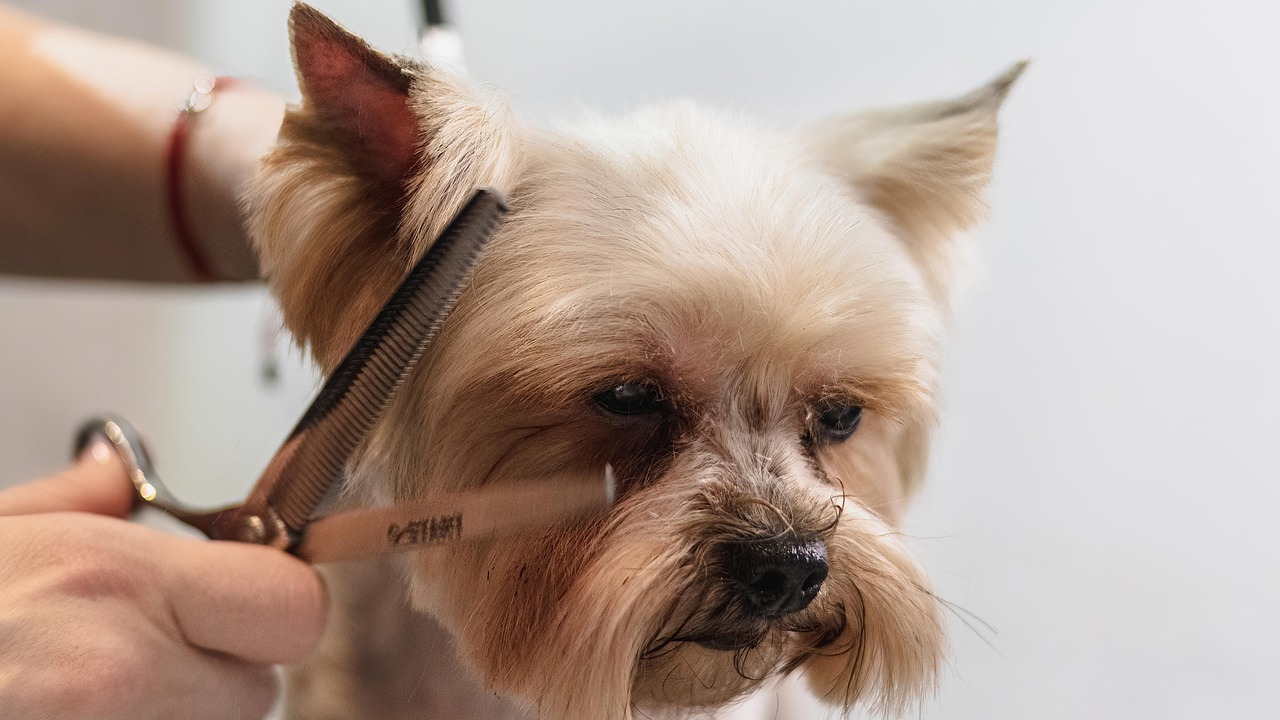
Grooming senior dogs can pose unique challenges, especially when anxiety is involved. Older dogs may experience increased stress levels due to various factors, including medical conditions or changes in their environment. It’s essential to identify signs of anxiety, such as excessive barking, trembling, or hiding, to address them effectively. A calm environment can make a big difference. Start grooming sessions in a quiet place where distractions are minimal. This helps your dog feel secure during the process. Additionally, consider practicing gentle handling techniques that promote comfort. Slowly introducing grooming tools like brushes or clippers can alleviate fear. Familiarizing your dog with these tools early can foster understanding and acceptance. The grooming process should be gradual, allowing your dog’s level of comfort to dictate the pace. Ensure breaks are included if your pet becomes overly anxious. Positive reinforcement, such as treats and praise, can encourage your pet during grooming. By associating grooming with pleasant experiences, your senior dog will gradually learn to tolerate these necessary routines with greater ease and less fear.
Another important consideration when grooming senior dogs is their physical limitations and health conditions. Many older dogs experience arthritis, vision, or hearing loss, which can make the grooming experience more challenging. Be mindful of your dog’s comfort and physical capabilities. For dogs with arthritis, consider using an elevated grooming table. This minimizes strain on their joints and helps keep them stable while being groomed. Ensure that you are gentle and observant while brushing your dog’s coat. Sensitive skin is common in senior dogs, so use soft brushes along with a calm touch. Monitor for any signs of discomfort during sessions, adjusting your technique accordingly. Some senior dogs may also be more sensitive to temperature changes than their younger counterparts. Grooming at a moderate temperature can help your dog feel more comfortable. Be conscious of the water temperature when bathing and avoid those overly hot or cold water extremes. Additionally, keeping the room temperature where grooming is performed comfortable will help ease anxiety and discomfort. Ultimately, recognizing these health challenges will make the grooming process more manageable and ultimately less stressful for your senior dog.
Implementing Useful Strategies to Reduce Anxiety
When dealing with anxious senior dogs during grooming, successful strategies can significantly ease their stress. First, prior to the grooming session, try to exercise your dog lightly. A short walk or play session can help alleviate excess energy, making your dog calmer for grooming. Incorporating soft, soothing music during grooming can also promote relaxation. Studies suggest that calming sounds can significantly reduce stress in dogs. Another technique is to create a positive association with grooming tools. Allow your dog to sniff the brushes and clippers before use, making them familiar. You might also provide treats upon seeing or touching these tools. This can cultivate a sense of security and curiosity instead of fear. Try grooming your dog with shorter intervals, gradually increasing the duration over time. This way, the process becomes less overwhelming. Using a calming pheromone spray can also help soothe your dog. Many of these sprays are available at pet stores. Combining these strategies creates a more enjoyable experience, fostering peace and relaxation during grooming sessions for your senior dog.
Additionally, seeking professional help can also be beneficial if your senior dog struggles significantly with anxiety. A skilled groomer experienced in handling anxious dogs can make a difference in the grooming experience. They possess the techniques and compassion necessary to soothe pets throughout the grooming process. Consulting with a veterinarian can also provide insights into your dog’s specific anxiety triggers. Your vet may offer recommendations for calming supplements or behavioral therapies to manage anxiety more effectively. Creating a familiar and safe environment at home can also help your dog feel more secure. If possible, try conducting grooming sessions in a location where your dog feels most at ease. You can bring your grooming kit to these rooms to create a comforting atmosphere. Moreover, regular grooming helps dogs acclimatize to the process, reducing anxiety over time. Consider breaking grooming tasks into shorter sessions, especially if your dog is older. This way, bathing and brushing may be done separately rather than all at once, significantly reducing the stress they experience upon seeing grooming sessions as too long or overwhelming.
The Role of Patience and Consistency
Patience and consistency are critical components of successfully grooming senior dogs with anxiety. Frequently, older dogs may not receive the grooming care they need due to past negative experiences, which makes them more sensitive to handling. It is crucial to approach each grooming session with a calm and patient demeanor, as they can pick up on your emotional state. Gradually introduce grooming as a tactile experience, allowing your senior dog to feel safe and comfortable. This can involve simply massaging or lightly brushing areas of their body that they enjoys being touched. Additionally, consistency in your approach can help build trust. Regularly scheduled grooming sessions encourage your dog to become familiar and adapt to the routine. Rather than creating a stressful situation, make it a bonding activity filled with love and reassurance. Gently talking to your dog during the grooming will reinforce a sense of security. Further, encourage short positive interactions while grooming to gradually build up their confidence and reduce anxiety-associated behaviors. Through a conscious effort to exercise patience and consistency, you can make the grooming process enjoyable for both you and your senior dog.
Incorporating desensitization techniques into your grooming practice can also prove effective. Gradually expose your dog to grooming-related sensations and routines in a non-threatening manner. For instance, you could begin by simply laying the grooming tools out in front of them without using them. This builds a sense of familiarity without causing stress. You might want to allow your dog to explore by sniffing the brushes or blankets. Then, progress to light touches without direct grooming. Over time, introduce each grooming step individually, ensuring your dog remains calm. This approach allows your dog to associate the grooming process with sweatless experiences. Keep the learning sessions short and engaging to prevent feelings of anxiety from surfacing. Another desensitization method involves associating grooming with positive reinforcement. Begin by rewarding your dog after petite interactions with the grooming tools during your preparatory sessions. Each time your dog remains calm, provide treats. This will create a positive association. Through sufficient practice, your senior dog eventually sees grooming as an enjoyable experience rather than a dreaded chore.
Conclusion: Prioritizing Your Senior Dog’s Comfort
Ultimately, the goal of grooming senior dogs with anxiety is to prioritize their comfort and well-being. Understanding the unique challenges that older dogs face ensures a more compassionate experience for them. By remaining observant and responsive to changes in your dog’s behavior, you can better manage their anxiety. Remember that past experiences can shape a dog’s reactions; thus, addressing fear with empathy is imperative. Your dog relies on you to create a safe environment during grooming, ensuring their emotional needs are met. Take time to build trust through positive interactions and tailored strategies. Always keep in mind to proceed at a pace that suits your senior’s personality and physical condition. Never forget the power of gentle reassurance and consistent care. Emphasizing your dog’s comfort, joy, and happiness during grooming protects their mental well-being. Following these thoughtful approaches ultimately transforms grooming from a potentially stressful ordeal into a positive, bonding opportunity between you and your beloved senior dog. In doing so, you can promote their health and create even deeper connections during grooming sessions.
Throughout the grooming process, remember that your dog’s comfort and happiness should always be paramount.