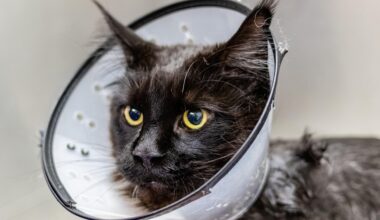

How to Handle Matted Fur in Puppies
Handling matted fur in puppies can be quite a challenge, but it’s important for their health and comfort. Matted fur can lead to skin irritations, infections, and even anxiety in your puppy. To prevent matting, it’s vital to establish a regular grooming routine. Brush your puppy’s coat daily, especially in areas prone to tangling, such as behind the ears and under the legs. Make it a positive experience by rewarding your puppy with treats and praise. If mats do form, don’t panic; there are effective ways to address them. Start by gently working through the matting with your fingers to separate the fur. Using a slicker brush or a comb can help detangle the fur further. Alternatively, you might find using a dematting tool helpful, but be cautious. If mats are severe or you’re unsure, consider seeking professional help from a groomer. They have the right tools and experience to safely address the situation. Remember, patience is key. A calm and gentle approach will make the grooming process much easier for both you and your puppy.
Next, it’s essential to understand the tools required for effectively managing matted fur. A proper grooming toolkit typically includes a high-quality slicker brush, a wide-toothed comb, and possibly a dematting tool. Each tool serves a distinct purpose: the slicker brush removes loose fur and small tangles, while a comb can help with larger knots. If you encounter stubborn mats, a dematting tool can carefully cut through dense fur, but always use this tool with caution. When grooming your puppy, take your time to avoid pulling too hard on their skin, which can be painful. Additionally, using a detangling spray can ease the grooming process, making the fur more manageable. Make sure to invest in tools that are suitable for your puppy’s coat type; long-haired breeds often require different care than short-haired ones. Beyond the tools, creating a comfortable grooming environment substantially contributes to a positive grooming session. Choose a quiet, well-lit space, and ensure your puppy is relaxed. A comfortable puppy is more likely to cooperate during the grooming process, making it less stressful for both parties.
Grooming Techniques to Consider
When tackling matted fur, it’s vital to implement specific grooming techniques to effectively manage the situation. Start by parting the matted section gently, allowing better access to the tangled fur. Always begin grooming from the ends of the tangles and work your way toward the roots; this minimizes stress on your puppy’s skin. Applying a detangling spray can assist in softening the mats and easing the combing process. It’s also beneficial to moisten the fur a bit, as this can make it easier to work through. As you groom, maintain a calm demeanor, speaking softly to your puppy to reassure them. If they begin to show signs of distress, take breaks and allow them to relax. It’s also helpful to groom your puppy after a bath when their fur is clean and easier to manage. Aftercare is just as crucial; provide lots of praise and perhaps a special treat after the grooming session. This positively reinforces good behavior and makes them more cooperative in the future. Remember, keeping the session short and positive is key to successful grooming.
In some cases, despite your best efforts, mats can become quite severe, necessitating a different approach. If you encounter large mats that are difficult to manage, consider taking your puppy to a professional groomer. Experienced groomers can accurately assess the situation and decide whether trimming the fur is necessary to avoid pain and discomfort. Sometimes, the best option is to do a full shave, particularly if the mats are close to the skin. While this may seem harsh, it often results in healthier fur and skin for your puppy in the long run. Regular groomer visits can maintain your puppy’s coat and keep matting at bay. Opting for dog grooming services that specialize in your puppy’s specific breed can lead to better results. It’s worth investing in a professional groomer; they have the right techniques, tools, and experience to ensure your puppy receives quality care. Always communicate any concerns you have regarding matting or grooming preferences with your groomer, as this collaboration leads to the best outcome for your furry friend.
The Importance of Regular Grooming
Regular grooming is crucial for maintaining your puppy’s overall coat health. Not only does it prevent matting, but the grooming process helps to promote healthy skin and fur. During grooming, you can inspect your puppy’s skin for signs of irritations, parasites, or infections, which may otherwise go unnoticed. Furthermore, it provides an excellent opportunity for bonding, enhancing trust between you and your puppy. Additionally, consistent grooming allows you to familiarize your puppy with the necessary techniques and tools, resulting in a more pleasant experience in the long run. Establishing a grooming schedule based on your puppy’s coat type is essential. Long-haired breeds may require daily grooming, while short-haired breeds might only need it weekly. Regardless of the coat type, always make sure to keep grooming sessions short and consistent. This routine can significantly reduce anxiety for your puppy, making them more likely to cooperate. Incorporating a few play breaks during grooming can also create a more enjoyable experience for your puppy, reinforcing that grooming is a positive activity.
Another aspect to consider regarding puppy grooming is that the environment plays a vital role in how your puppy behaves during grooming. A calm, quiet setting limits distractions and allows your puppy to feel secure. Try to choose a time of day when your puppy is most relaxed, such as after a walk or play session. This can help them be more amenable to grooming. Additionally, consider placing non-slip mats on the grooming surface to prevent your pet from slipping and feeling insecure or frightened. Depending on your puppy’s temperament, using a soft collar can help keep them focused and stationary while preventing the collar from being a source of discomfort. Grooming should be a positive experience, so reassure your puppy with gentle words and soft touches. If they seem fidgety or anxious, take a break to allow them to calm down. Positive reinforcement, like treats or praise after grooming sessions, can train your puppy to associate grooming with good experiences. By fostering a positive environment and relationship, the grooming process can become less stressful for both you and your puppy.
Conclusion on Managing Matted Fur
Dealing with matted fur in puppies can be a challenging yet rewarding experience. By establishing a strong grooming routine, utilizing the right tools, and employing effective techniques, you can prevent and manage matting efficiently. Remember to keep the environment calm and warm to help your puppy relax during grooming sessions. Additionally, investing in professional help when necessary will save your puppy from potential stress and skin issues. Ultimately, your efforts in regular grooming contribute to your puppy’s health, hygiene, and happiness. Always remember to maintain a friendly demeanor, providing encouragement and care throughout the grooming process. Such positivity establishes a bond, making grooming less of a chore and more a shared experience. With patience and consistency, both you and your puppy can navigate matting challenges with ease. Ensure you schedule grooming sessions regularly based on your puppy’s needs, and select a grooming strategy tailored to their coat type. These practices will create a blissful and rewarding grooming experience for both of you. Cherish these moments with your puppy; it fosters deeper connections while keeping your furry friend healthy and happy.
This is another paragraph with exactly 190 words…