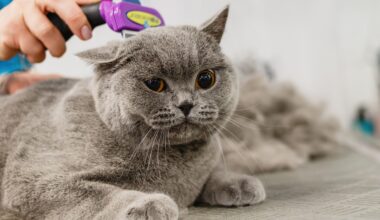

How to Recognize Signs of Stress in Cats Prior to a Show
Understanding how to identify stress in cats is crucial before taking them to a show. Stress can significantly affect their performance and overall health. Common signs include behavioral changes like hiding or aggression. Cats under stress may also exhibit physical symptoms, such as excessive grooming or loss of appetite. Observing their body language is vital; a cat with a puffed tail or flattened ears indicates discomfort. Similarly, excessive vocalizations or attempts to escape can signal unease. It’s essential for cat owners and handlers to be vigilant about these indicators. Cats require a calm environment prior to entering a show. For optimal performance, owners should consider creating a safe space for their feline friend to retreat to when feeling stressed. Providing familiar items such as blankets or toys can be helpful. Regular health checks and monitoring eating habits are vital steps in the lead-up to a show. Prioritize early interventions to help manage stress levels for your feline. Ultimately, recognizing stress behaviors enables better preparation for both the cat and owner.
Another significant aspect is the importance of acclimatization. Cats thrive better when they are familiar with their environment. Gradually introducing them to show venues can minimize stress reactions. Before the show, take your cat for practice trips to similar settings. These trips can help them adapt; this will prepare them for the sights, sounds, and smells they will face. If possible, arrange playdates with other cats before the event. This interaction provides social exposure, lessening anxiety. Remember, sudden changes can lead to increased stress, so maintaining routine is key. During these introductions, observe for any signs of stress or discomfort. If your cat shows distress, give them a break and halt the exposure until they are calmer. Consistency is critical for emotional stability; hence consider a regular schedule for feeding and play. Also, check in with your veterinarian about any prescribed medications or tips based on your cat’s individual stress responses. Each cat is unique, and understanding your cat’s specific needs is important in managing stress before a show.
Signs of Stress in Your Cat
Several behavioral cues indicate that your cat may be experiencing stress. One primary behavior is hiding, which suggests your cat might feel threatened. If they frequently seek secluded spots, it’s essential to assess their environment and look for potential stressors. Additionally, notice if your cat is more irritable than usual. Cats can express stress through increased aggression or fear-based behaviors, indicating they may be overwhelmed. Physical signs of stress are also necessary to recognize. For instance, a dirty fur coat or changes in urination habits are common indicators of a stressed cat. Moreover, changes in eating habits can reflect psychological distress; some cats may eat excessively, while others may refuse food entirely. Watch for excessive grooming or fur loss, both of which point to stress. Similarly, frequent pacing or inability to settle down suggests an overactive stress response. Owners must engage in daily observation to catch these signs early. Early recognition facilitates preventive measures to ensure your cat remains calm through the show experience. Consulting with pet behaviorists could also provide valuable insights.
Creating a stress-reducing routine for your feline companion is crucial. Establish a regular schedule that includes feeding, grooming, and playtime. Consistency helps help alleviate anxiety and makes them feel secure. During the show preparation phase, gentle, enjoyable interactions help reinforce positive associations. Using calming music or pheromone diffusers may also provide a comforting atmosphere. Creating a positive association with the carrier can ease transportation-related stress. Public settings may provide anxiety producers, so singing softly or speaking encourages relaxation. Additionally, consider giving quiet time where your cat can adjust calmly. This practice reduces anxiety peaks and reinforces trust. Physical exercise is also vital; scheduled play reduces pent-up energy while building confidence. Focus on bonding activities such as interactive toys or soft feathers to promote mental stimulation and closeness. Enrichments like scratching posts or climbing trees keep their environment engaging and reduce boredom. Remember, less stressed cats typically have better show performances. Cooperation and patience between owner and cat lead to successful show experiences. Being involved in their interests elevates your bond and contains stress responses.
Consulting Professionals
When in doubt, consult professionals regarding your cat’s well-being. Veterinarians can assess their physical condition ahead of the show. If a noticeable change in behavior arises, seeking their insight is always advisable. Behavioral specialists offer tailored strategies to address stress factors affecting your cat. These experts can suggest coping strategies for anxious cats leading up to the event. For example, gradual desensitization techniques enable cats to become accustomed to show environments. A veterinary behaviorist might also recommend anti-anxiety medications when necessary. However, always seek guidance regarding proper usage and timing. Discuss potential side effects and any specific concerns. Creating a stress-friendly checklist can streamline your preparation process. Having supportive resources can enhance your cat’s experience. Making use of available training groups or workshops may form part of an ideal strategy for outreach. Building a community with fellow cat owners can provide necessary support. Don’t hesitate to share your anxieties and collect tips from experienced show participants. They might have encountered similar situations and can share effective strategies. A knowledgeable support system is invaluable in ensuring a successful, low-stress experience.
Checklists come in handy during show preparations. Use improvement tracking tools to monitor changes in behavior leading up to the event. Make a detailed list of health checks required before entering any show. Include vaccinations, grooming, and veterinary evaluations. Stay updated with deadlines for certifications; ignoring them can result in unnecessary stress. A timeline neatly tracks your cat’s progress and health checks, minimizing last-minute scrambles. Partner with your veterinarian to set clear goals and expectations for your cat’s health leading up to this event. Additionally, create a kit that includes essential items such as food, water, travel carriers, toys, and medications. Having everything ready eases the last-minute stress of forgetting vital resources. Prioritize ample hydration while traveling, ensuring your cat remains refreshed. Conduct wellness checks regularly for any changes in behavior or health conditions. When it’s showtime, ensure confidence and calmness through positive reinforcing techniques. A soothing voice or gentle petting can go a long way. Prepare mentally; feeling secure and organized reflects on your cat’s behavior. This preparation practice aids in a successful showcase of your beloved feline friend.
Conclusion
Recognizing signs of stress in your cat before a show is essential for their well-being. Stressful conditions can affect their health and performance significantly. By observing behavioral cues and physical symptoms, owners can take proactive measures to alleviate tension. Setting routines and providing comfort through familiar items is equally critical. Encourage social interactions with other cats to reduce anxiety and ensure smooth transitions. Don’t hesitate to seek professional assistance when needed; veterinarians and behavioral therapists offer unparalleled support. With the proper approach and preparation, your cat can enjoy the show experience. The focus should always remain on creating a positive atmosphere for them. Consider the unique needs and triggers of your feline friend, paying attention to their individual behaviors, and implementing suitable strategies. This ensures a successful appearance at cat shows for both owner and pet alike. With love, care, and attention dedicated towards recognizing stress signals and alleviating pressure, you ensure a brighter experience for your adored feline companion. Finally, remember, happy cats make for happy shows, so take the time needed to prepare adequately.
In conclusion, managing feline stress is essential for a positive show experience. Each observation aids in understanding behavioral signals while implementing tailored strategies. Through routine and gentle interactions, cats develop comfort in potentially stressful environments. Early intervention allows for adequate preparation, resulting in enhanced performance at shows. Providing structure and establishing predictabilities help in tuning into your cat’s needs. Valued resources and medical specialists alleviate concerns for owners facing challenges. Furthermore, a supportive community encourages shared experiences and further insights. Together, with knowledge gained, owners can best support their felines through the challenges of competition. Throughout the journey of cat shows, remember that your bond strengthens, despite obstacles faced. Ultimately, recognize that caring for your cat’s emotions and well-being is paramount for success. By maintaining patience and dedication, you pave the way to achievements at shows while exhibiting your beloved feline. Appreciate these moments with your pet; they are, after all, part of the journey. Celebrate their progress, knowing the joy of showing them off helps define this special companionship.