
Rehabilitation Journeys: Rescue Dog Transformations by Breed
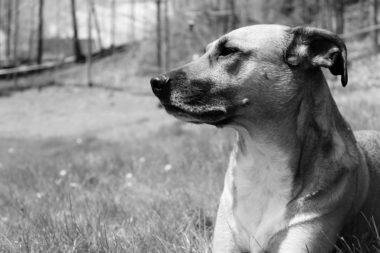
Rescue dogs come from various backgrounds, often facing overwhelming challenges. Among these, hounds are frequently neglected due to their high energy and specific needs. Rehabilitation for hound breeds requires dedicated training, patience, and consistent routines. These dogs, often found wandering, need to learn trust and socialization skills. Fostering their individual personalities through patient work facilitates their adjustment to home life. In shelters, hounds often display anxiety and fear, hindering their chances of adoption. It is essential for volunteers to understand their unique traits, enabling them also to learn commands and exhibit positive behaviors during interactions. The opportunity to experience life outside a kennel significantly impacts their rehabilitation journey. Utilizing positive reinforcement encourages behavioral change. Foster families engage in outdoor activities, allowing hounds to explore and adapt positively. Consistency aids in their cognitive development, helping them grasp concepts over time. Success stories emerge from hounds matched with loving homes, where their challenging pasts transform into brighter futures. Their stories exemplify how love and care can change lives, making them wonderful companions. Through commitment, hound rehabilitation can lead to enriching outcomes for both the dog and the family.
The Role of Training in Breed Rehabilitation
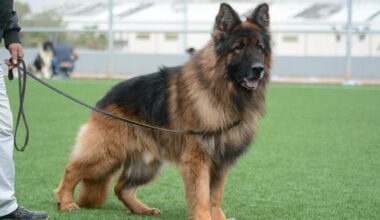
Training plays a critical role in the rehabilitation of rescue dogs, each breed requiring personalized approaches. For example, shepherd breeds often excel in obedience, yet they need structured guidance to thrive. Establishing a training routine involves positive reinforcement techniques, which lead to lasting behavioral changes. These delicious treats and affections create an enjoyable learning environment. The trust-building aspect enhances the bond between the dogs and their trainers, crucial for anxious or fearful breeds. Border collies, known for their intelligence, tend to flourish when challenged mentally and physically. Engaging them in agility classes can channel their energy productively. Conversely, breeds like pit bulls require additional focus on socialization. Programs that promote interactions with other dogs help mitigate their stereotypes. Training should encompass various elements: basic commands, leash manners, and exposure to different environments. Featuring success stories of rescued pits overcoming fears and defending their families, the impact of proper training and socialization becomes evident. Additionally, regular interaction with experienced trainers allows every rescue dog to tap into their potential while adapting to home life. Educational workshops can equip owners with skills to accelerate their training efforts and forge strong bonds.
Beagles, another popular breed among rescue dogs, bring unique challenges during rehabilitation. Their keen sense of smell and curiosity often lead them into mischief, requiring careful monitoring. Engaging them in scent work activities can be beneficial, enhancing their natural instincts while promoting good behavior. This breed enjoys the company of people and other pets, making socialization crucial during rehabilitation. Pairing beagles with companion animals facilitates smoother transitions into new homes. Additionally, fostering a routine helps them understand expectations. Regular exercise combats boredom and prevents destructive behaviors, essential for their mental health. Successful beagle rehabilitation involves patience and understanding, recognizing their sensitive nature. On the journey, volunteers can report transformative cases where beagles, once shy and withdrawn, blossom into affectionate companions. Their endearing personalities surface and shine through as they learn to trust their fosters. Encouraging beagles to explore encourages adaptation, ultimately revealing the loving nature they hold within. Rescued beagles demonstrate how meaningful change is possible through attentive rehabilitation practices. Each story showcases the resilience of these dogs, teaching everyone involved the importance of empathy, dedication, and love throughout the rehabilitation process.
The Importance of Foster Care
Foster care remains crucial in the rehabilitation journey of rescue dogs; it provides a temporary but nurturing environment that allows them to thrive. Specific breeds, such as Rottweilers, demonstrate significant improvement with family integration during crucial developmental stages. Foster families can address individual needs while promoting stability, enabling Rottweilers to become secure and well-adjusted members of society. In similar veins, terriers tend to display strong personalities, often requiring guidance to manage their exuberance. By establishing clear rules in a supportive atmosphere, foster families can foster positive behaviors, eventually leading to successful adoptions. Personal connections made during fostering often yield great results for these breeds, where unyielding love makes lasting impacts. Each story shared by foster families highlights the changes witnessed when rescue dogs experience caring interactions. They bloom in environments that mimic the dynamics of a loving household. As volunteers recount their experiences with fostering, stories emerge of dogs finding their forever homes through shared journeys. Documenting these transformations encourages more people to participate in fostering programs, igniting hope for breeds deemed challenging. Foster care ultimately serves as a vital lifeline that can enhance rehabilitation processes for countless rescue dogs.
Additional challenges present themselves as breeds recover from their traumatic pasts. For example, greyhounds, renowned for their speed, often find themselves confused and lost after retiring from racing. Rehabilitation programs tailored to greyhounds focus on teaching them an ordinary life. This is essential, as many have never experienced home comforts or family interactions. Greyhound rehabilitation requires building their confidence, as they often display anxiety in new settings. Positive reinforcements during adoption events help them gain trust from potential families. Incorporating peaceful spaces for relaxation can ease their transition significantly. Volunteers provide comprehensive training on leash manners and basic commands, essential for their well-being. Engaging them in gentle play and outdoor activities fosters enjoyment. Success stories include greyhounds who, once timid, now embrace life alongside their loving families. Collaborating with specialized trainers dedicated to greyhound rehabilitation makes a world of difference. Enhancing their adaptability enhances their chances for adoption. Fostering understanding of their unique needs shows how compassionate care transforms their journeys, turning fears into joyful experiences. These dogs often showcase gratitude in their appreciation for love and safety after having faced neglect.
Community Involvement in Dog Rescue
Community involvement is vital in supporting breed rehabilitation programs for rescue dogs. Engaging local shelters, rescue organizations, and volunteers ensures every dog receives the attention required for success. Events that promote awareness about adoption and rehabilitation create paths for dogs and potential families to meet. Pictures of the dogs and their heartwarming transformations draw attention, emphasizing their capabilities and new aspirations. Activities such as adoption days encourage community members to participate actively, fostering an environment of empathy and understanding. Trainers often host workshops tailored to certain dog breeds, teaching families how to manage behavior effectively and create a nurturing atmosphere. Local businesses can partner by providing resources and donations to support rehabilitation efforts. Food supplies, medical assistance, and even training classes ensure that dogs receive optimal care while in shelters or foster homes. Testimonials from adopted families showcase the positive impact of community involvement, revealing how shared stories inspire compassion. By strengthening these community ties, more breeds find their forever homes, turning rescue stories into legacies of love. Every contributing effort serves to help enhance the quality of life for these deserving animals.
Adopting a rehabilitated dog encompasses both challenges and rewards of the journey. Families who embark on this path often find themselves more connected to their pets, understanding the resilience they possess. Adopting breeds with unique backgrounds teaches people about empathy, patience, and growth. Tailoring the living circumstances to suit a rescue dog’s needs can help ease the transition and build stronger bonds. Families must be proactive and willing to educate themselves about breed-specific challenges often faced by adopted dogs. Establishing a routine promotes a sense of stability and comfort that many rescue dogs desperately need. Ongoing support from trainers, counselors, and the community helps families thrive while navigating the rehabilitation process. The engaging stories of adapted dogs show how love can conquer fears while emphasizing the importance of support systems. Eventually, as the dog thrives, it symbolizes hope. The new family shares the joy of dog ownership as their pets display enormous devotion, serving as reminders of their pasts, yet offering bright new futures. Adoption ultimately is a transformative experience fueled by love, dedication, and unwavering spirit.