
Safe Exercise Duration for Different Dog Breeds and Ages
Understanding safe exercise duration for dogs is essential to their health. Each breed and age has specific requirements. Puppies, for instance, can only handle short bursts of activity. Typically, five minutes of exercise per month of age is a safe guide. This means a four-month-old puppy may enjoy around twenty minutes a day without overexertion. For small breeds like Chihuahuas, daily walks must be gentle and brief. In contrast, larger breeds often require more exercise due to their energy levels. Still, young dogs shouldn’t overdo it. Senior dogs require different considerations as well. Many will have decreased stamina and may risk injury if pushed too hard. You can always consult a veterinarian for personalized advice, particularly for breeds known to have specific health issues. Furthermore, being mindful of your dog’s behavior during exercise is crucial. If they show signs of fatigue or discomfort, it’s time to slow down. Over time, you will understand your pet’s unique limits and abilities, ensuring their exercise routine is both safe and enjoyable for a healthy quality of life.
The exercise requirements can also greatly vary based on the dog’s environment. For example, dogs living in urban settings might adapt well to shorter, more frequent walks. In contrast, those in rural areas may thrive in longer, more vigorous play sessions. Recognizing your dog’s natural instincts and preferences can assist in finding the right balance. Additionally, socialization is pivotal. Group play increases physical activity and stimulation while allowing dogs to interact, enhancing both mental and physical health. Dog parks can be ideal spots for this kind of social exercise, particularly for high-energy breeds like Border Collies and Labrador Retrievers. Exercise needs change, also influenced by temperature and terrain. Hot weather necessitates shorter activities to prevent overheating. Ideally, schedule walks during cooler parts of the day. For breeds like Bulldogs, which struggle with heat, indoor activities may provide a safer choice. Activities such as frisbee throw or indoor agility training keep them engaged while staying safe. Overall, awareness of external factors, coupled with specific needs based on age and breed, ensures your dog receives the very best care during exercise.
Age-Specific Exercise Guidelines
Puppies and seniors require tailored exercise routines to promote their well-being and enhance quality of life. Puppies, in general, possess boundless energy, but their bodies are still developing. Short play sessions and leash walks in safe environments will suffice. One must be cautious about the potential for injury by avoiding strenuous activities, like jumping or running too fast. On the other hand, when it comes to older dogs, they often have significantly lower energy levels. Consequently, gentle walks and mental stimulation become paramount. Surprisingly, many senior dogs still enjoy outdoor time but require less intensity and more frequent breaks. You may notice them preferring leisurely strolls compared to their younger counterparts. Prioritizing joint health is crucial, especially for breeds prone to arthritis or hip dysplasia. These dogs often benefit from low-impact activities like swimming or walking on soft surfaces. Even incorporating simple commands or light training routines can help maintain their mental agility while keeping them active. Tailoring routines based on life stages ensures all dogs enjoy adequate physical activity and maintains a healthy lifestyle throughout their lives.
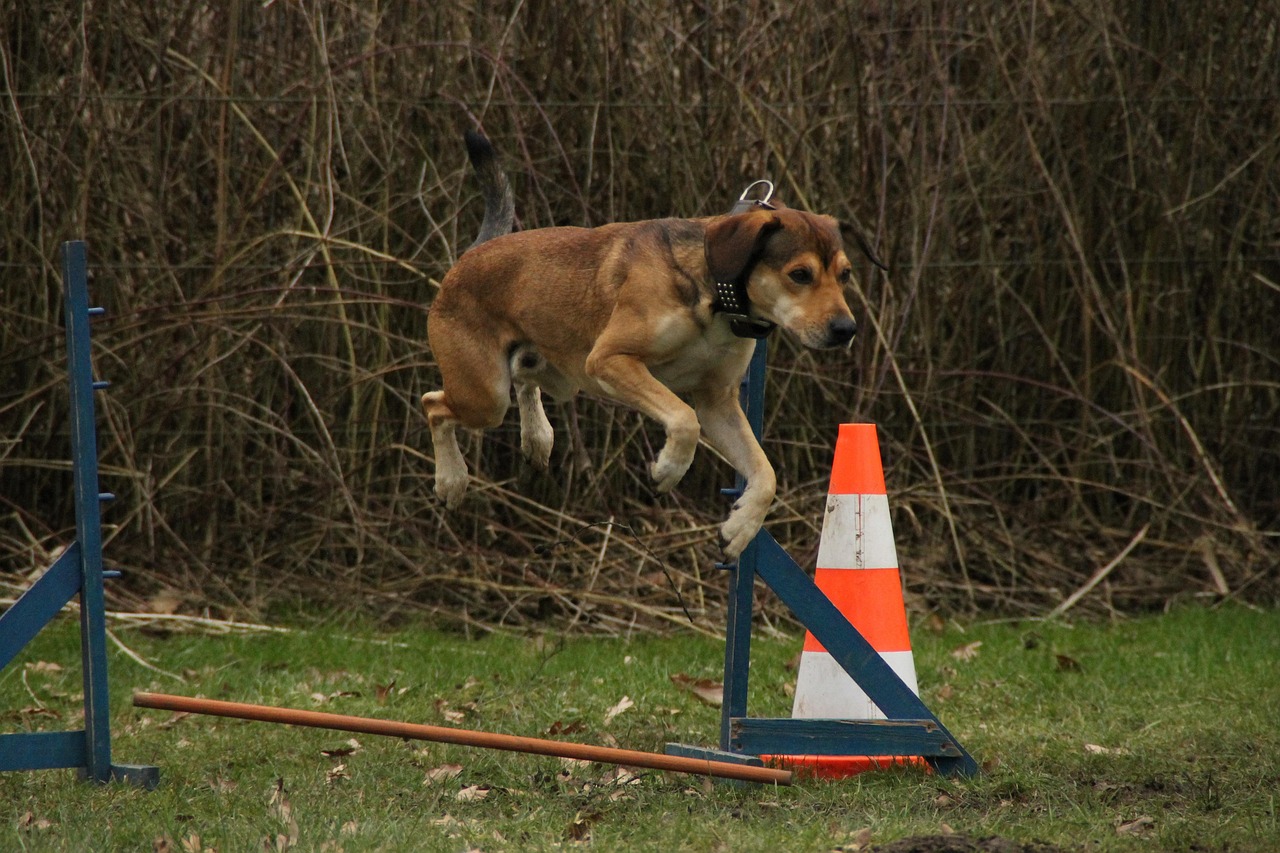
Different dog breeds have diverse energy levels and exercise needs impacting daily duration considerably. High-energy breeds, like Huskies or German Shepherds, thrive on rigorous daily exercise requirements, often needing at least an hour of activity. In contrast, breeds such as Bulldogs and Basset Hounds are more laid-back and enjoy moderate walks. You might find that an average of thirty minutes of daily exercise is more than sufficient for these breeds. Moreover, consider the dog’s temperament. A calm dog may enjoy relaxed strolls, while a more impulsive one requires engaging and stimulating activities to drain their energy effectively. For working breeds, incorporating tasks or challenges during exercise—like agility training—can contribute positively to their physical health and mental well-being. Structured exercise routines that include fetch games or puzzle toys keep them appropriately stimulated. Furthermore, establishing a mix of various activities maintains overall interest while catering to their physical needs. Knowing the dog’s breed and understanding its underlying temperament can make all the difference in achieving a healthy exercise routine enhancing longevity and happiness.
Importance of Monitoring Exercise
Monitoring your dog’s exercise can help prevent injuries or health issues associated with overactivity. Observing your dog’s behavior during play or walks can provide you with essential insights regarding their energy levels and endurance. Any signs of fatigue, like excessive panting or lagging behind, indicate it’s time to stop or slow down. Furthermore, keeping an eye on weight can also be telling. A change in weight might be attributed to either excessive exercise or insufficient activity. Conducting monthly weigh-ins enables timely adjustments to their routines if needed. Recognizing the different behaviors along with exercise duration can shape future plans while providing fast relief. Consulting a veterinarian is recommended for tailored advice based on breed, age, and unique health concerns. Regular check-ups can assist in determining if your dog maintains appropriate activity levels, particularly if they experience mobility issues or chronic conditions. Ensuring enough rest and recovery time between exercise sessions is critical. Active caregivers attentive to their dog’s cues create a bond based on trust, leading to a fulfilling exercise experience for both pets and owners in the long run.
Weather conditions also play a vital role in shaping a safe exercise duration for your dog. Extreme heat can cause overheating, while cold might lead to weariness or lethargy, especially in smaller or thinner-coated breeds. It’s advisable to adjust the duration based on those external factors. Early morning or late evening walks typically allow cooler temperatures, especially for energetic breeds that might overheat during hotter days. Alternatively, indoor activities become necessary when facing considerable weather conditions, as staying active should not be compromised. Engaging indoor games, such as hide and seek or light obstacle courses, can stimulate both their mind and body safely. The importance of having safe, designated areas for prolonged exercise cannot be overlooked either. You might consider looking for dog-friendly places, parks, or beaches where your pet can enjoy natural exploration, provided they are safe from potential hazards. When accessing outdoor areas, always ensure that environments are secure, allowing freedom to explore while remaining vigilant. Adapting exercises to current weather conditions and maintaining safe environments promotes healthy outdoor habits while keeping the dog safe and sound.
Conclusion
Ultimately, safe exercise duration for dogs varies widely based on breed, age, and individual needs. By understanding these factors, dog owners can ensure their pets remain healthy and happy. Through customized exercise plans, it’s possible to create enjoyable routines for all canine family members. The emphasis on gentle and moderate activities for younger and senior dogs shows how it’s crucial to keep them safe while benefiting their health. Furthermore, always observing changes in behavior encourages timely adjustments and prevents potential injuries. Being proactive means choosing enjoyable environments and adapting exercises to fit. Inviting community members into play dates or engaging in obedience classes creates opportunities for socialization, significantly enhancing a dog’s mental health. Regular veterinary consultations must be a priority to tailor recommendations throughout various life stages. The satisfaction gained from a healthy pet translates into overall well-being for both dogs and owners. Ultimately, prioritizing safe exercise practices creates lasting bonds of joy, trust, and mutual well-being for all companions while ensuring a fulfilling life with countless adventures ahead.
Incorporating fun elements makes exercising more enjoyable for both dogs and owners. Activities such as playing fetch or using agility equipment can enhance exercise routines, providing physical and mental stimulation. Furthermore, scheduling time for playdates promotes social interactions, allowing dogs to expend energy alongside their companions. Paying attention to these various factors when planning exercise routines involves balancing your lifestyle with your dog’s needs. Emphasizing quality time spent together further strengthens your bond, making exercise a rewarding experience. Remember that consistent routines become vital for healthy habits towards achieving long-term health benefits for both parties involved. Exploring a variety of physical activities can keep both you and your dog engaged through diverse challenges, stimulating both body and mind. Consider reflecting on your pet’s progress regarding their fitness and engagement levels. This might involve adapting activities as their needs evolve over time. Ultimately, a well-rounded approach leaves both pet and owner satisfied while ensuring fun experiences. The journey encompasses exercise, training, socialization, and unusual adventures that create cherished memories shared together, laying the foundation for a lifelong bond that thrives on health and happiness.