
Safe Grooming Tips for Cats with Medical Conditions
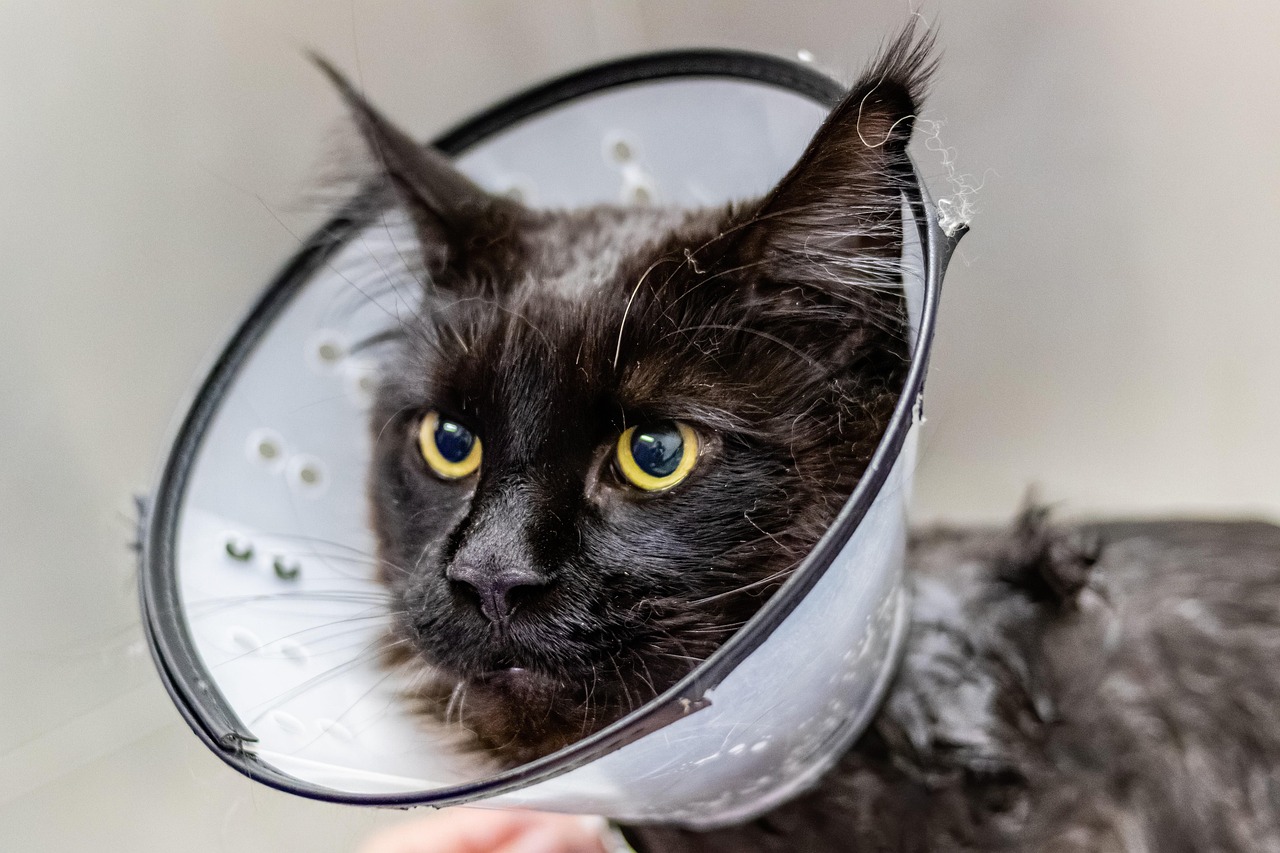
When grooming cats with medical conditions, safety is paramount. Ensure that your home is calm and free from distractions. This environment will help reduce stress for both you and your cat. Begin your grooming session slowly and gently. Use soothing tones to comfort your cat. Always have the necessary grooming tools ready, such as brushes suitable for your cat’s fur type. It’s crucial to avoid sharp tools that could potentially harm your cat. If your cat has sensitive skin, opt for softer brushes. Regular breaks during grooming can also keep your cat comfortable. A stressed cat might show signs of anxiety through hissing or twitching, indicating a need for a pause. You should also pay close attention to any medical devices your cat uses, such as bandages or cones. Grooming around these areas requires extra care to avoid causing pain or irritation. Always prioritize your cat’s wellbeing by consulting a veterinarian if you are unsure about grooming techniques suited for their condition. Lastly, treat your cat with patience, as every cat requires different approaches when it comes to grooming. Their comfort should always come first.
Before starting a grooming session, preparation is vital. Begin by gathering all necessary supplies, such as nail clippers and cat-safe shampoos. Make sure to choose products specifically formulated for cats, as they often differ from those intended for other pets. Always check expiration dates on products to avoid using ineffective or harmful ones. If your cat has a medical condition, consult your veterinarian for specific products or techniques. They may recommend hypoallergenic shampoos or conditioners that are kinder to sensitive skin. Additionally, having treats available can make the grooming process more enjoyable and reward your cat for good behavior. A cozy spot, like a soft blanket or bed, may also make your cat feel more comfortable. Always groom in a well-lit area so you can clearly see and avoid any health issues, such as skin infections or lumps. Keep a calm demeanor throughout the process, as your cat will sense your anxiety and respond negatively. If your cat becomes too stressed, take a break and return later. This approach fosters a trustful bond and makes future grooming sessions smoother. Remember that consistent and gentle grooming can be beneficial for your cat’s overall health.
Adapting Grooming Techniques for Special Needs Cats
Cats with medical conditions may require specific adaptations to typical grooming techniques. First, assess your cat’s mobility and energy levels before grooming. Some cats may have difficulty standing or may be less tolerant of certain positions. A supportive grooming table can help, as its height allows better access while minimizing stress on your cat. For cats suffering from chronic pain or arthritis, consider grooming them while they lie down comfortably. Use a soft brush designed for low sensitivity to avoid causing discomfort. Grooming sessions might need to be shorter than usual, focusing on one area of the body at a time. This can prevent overwhelming your cat. If your cat has fur matting, avoid tugging the fur and instead use detangling sprays. For especially sensitive cats, consider wearing gloves to provide them with a more secure feeling. Moreover, using calming sprays or diffusers may help create a relaxing atmosphere during grooming. Ensure you are familiar with signs of stress in your cat, such as excessive grooming or hiding. Recognizing these cues allows for more effective and comfortable grooming experiences.
Regularly inspect your cat’s health to make grooming sessions safer and healthier. Look for signs of skin infections, redness, or unusual lumps, and report these to your veterinarian. Early detection of such issues can make a significant difference in your cat’s overall health. The importance of grooming goes beyond aesthetics; it helps keep your cat’s coat clean, reduces shedding, and prevents matting. Moreover, grooming is an excellent opportunity for bonding, as it allows you to spend quality time together. Always adapt your approach to your cat’s specific medical condition. For instance, if your cat suffers from allergies, frequent and gentle grooming may minimize the occurrence of allergens in the home. It also helps in distributing natural oils, promoting skin health. Remember to check your cat’s ears, eyes, and teeth during sessions. Dental care is crucial. Investing in a cat-safe toothbrush and toothpaste can be beneficial. Providing dental treats can complement these efforts. Regular grooming can also highlight any changes in behavior, alerting you to potential issues that may require immediate veterinary attention. Consistent monitoring will build your understanding of your cat’s unique grooming needs for proper care.
Rewarding Positive Behavior During Grooming
Establishing a positive grooming experience is essential, especially for cats with special needs. Incorporate rewards throughout the grooming process to encourage good behavior. Positive reinforcement can significantly reduce anxiety and fear during grooming sessions. Treats, affection, and praise are effective ways to make your cat associate grooming with pleasant experiences. For instance, offer a small treat right after successfully brushing a tricky spot. This reinforces their good behavior and calm demeanor. Consider scheduling grooming sessions post-playtime or feeding to encourage cooperation. A tired or satisfied cat is likely more docile during grooming. Additionally, ensure you are calm and patient; your mood will directly affect your cat’s experience. If your cat struggles with specific techniques, explore alternatives that he or she may find easier to accept. You can also play soft music or use pheromone sprays to create a peaceful atmosphere. Keep a close eye on your cat’s body language to discern when it’s best to stop or reward them. This practice also applies if they seem disinterested or upset. Every successful grooming session enhances your relationship. Likewise, it builds trust and familiarity, ultimately leading to a more comfortable experience for both of you.
In order to maintain optimal feline health, never hesitate to consult a veterinarian for guidance on grooming special needs cats. They can provide tailored advice based on your cat’s unique conditions. Consider increasing the frequency of grooming sessions for cats with certain medical issues. This routine can help prevent matting, skin irritation, and shedding. It’s also effective for cats that require regular observation for any changes in their skin or fur. For instance, long-haired breeds are often prone to matting, which may need to be addressed frequently to prevent discomfort. If you notice any changes in your cat’s fur, such as excessive greasiness or an unusual texture, report these observations to your veterinarian. They may indicate underlying health issues that require treatment. Aspergillosis, for example, can be evinced through change in fur health. Maintaining an ongoing dialogue with your vet is crucial. Regular check-ups can identify potential risks associated with grooming. They can share insights into suitable grooming frequency and techniques based on your cat’s needs. Following veterinary advice ensures that grooming sessions promote your cat’s health, comfort, and overall wellbeing.
Conclusion: Creating a Safe Grooming Environment
Creating a safe environment during grooming sessions is particularly important for cats with special medical conditions. Safety equipment, such as non-slip mats or grooming harnesses, can provide extra security. Additionally, ensure that your grooming space is well lit, allowing for close inspection without unnecessary strain for you. Always keep any sharp grooming tools out of your cat’s reach when they are not in use. As your cat develops tolerance and trust through consistent grooming, you can gradually introduce new techniques or tools. Remember, grooming should never feel rushed; it’s crucial to allow both you and your cat to acclimate to the process as it evolves. Furthermore, grooming is an opportunity to bond, facilitating a trusting relationship. It’s essential to be mindful of their individual responses and comfort levels. Always be ready to adapt your approach based on your cat’s mood and cues. Ultimately, enhancing your cat’s grooming experience leads to improved health and happiness. Regular grooming, lovingly administered, promotes a happy and vibrant life for your beloved feline companion.
Consistent grooming protocols tailored to your cat’s needs is imperative for their special circumstances. Providing a secure and loving touch while grooming will maximize their comfort. Patience, understanding, and skill will transform your cat’s grooming experiences.