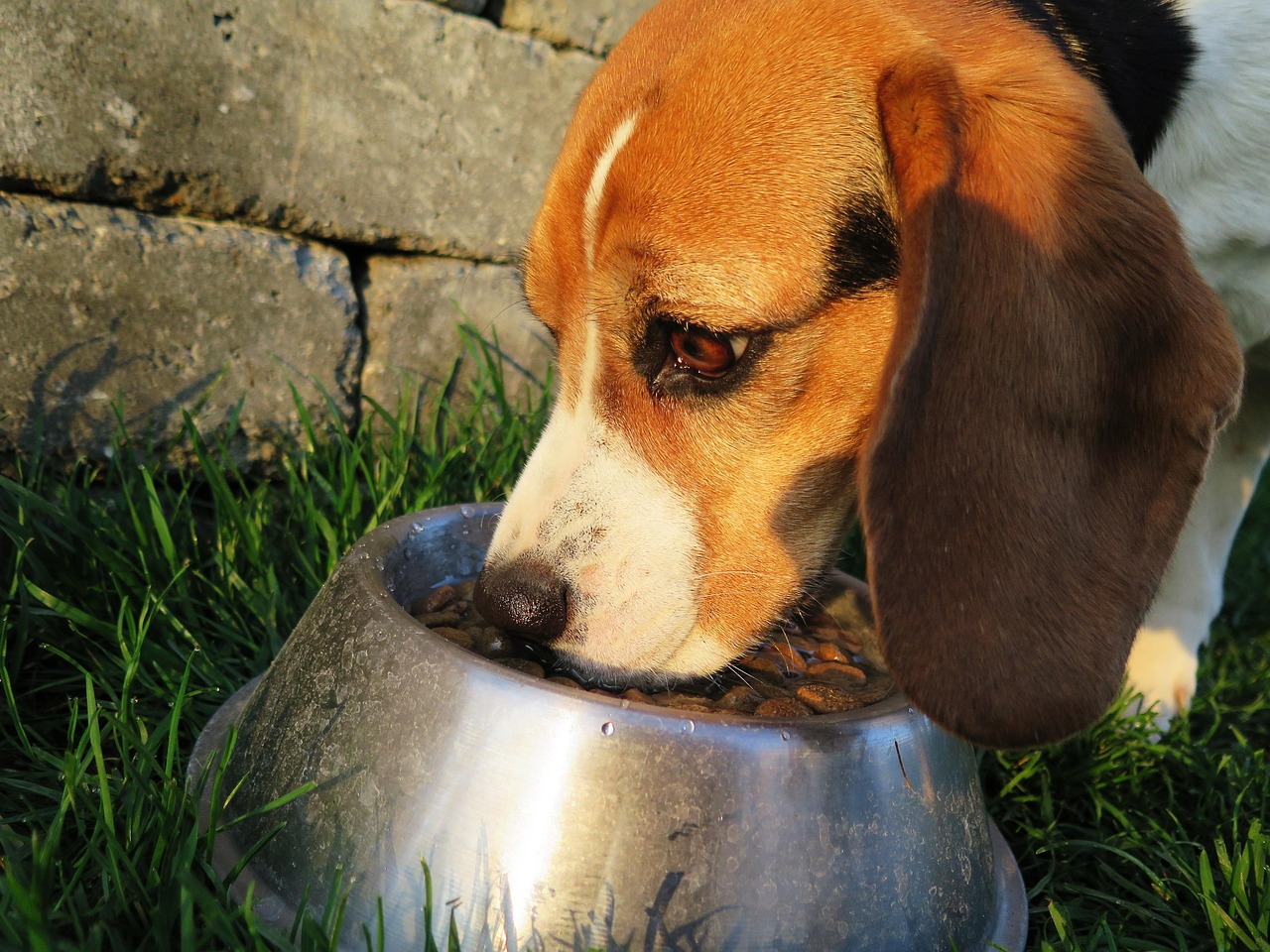

The Best Carbohydrate Sources for Dogs
When it comes to dog nutrition, understanding carbohydrates is crucial for pet owners. Carbohydrates are essential energy sources that help maintain a dog’s health. They are particularly important for active dogs that require higher energy levels. However, not all carbohydrates are created equal. It’s vital to choose the right sources to ensure your dog receives the proper nutrients. Whole grains, fruits, and vegetables are among the best carbohydrate sources available in dog food. Let’s explore these options to provide your furry friend with the best possible diet. Dogs can easily digest various carbohydrate types if prepared correctly. The quality of ingredients directly impacts your dog’s overall health, energy, and wellbeing. By incorporating healthy carbohydrates into your dog’s meals, you can ensure a balanced diet that meets their nutritional needs. From grains to fruits, finding the ideal carbohydrate source is essential for any dog owner. Furthermore, learning how to read dog food labels can aid in selecting high-quality products with beneficial carbohydrates. Ultimately, this knowledge leads to a healthier, happier dog.
Whole grains offer an excellent carbohydrate source for dogs, providing essential nutrients. Varieties such as brown rice, oats, and barley are commonly found in premium dog foods. Rich in dietary fiber, these grains help support digestive health and regularity in dogs. Additionally, whole grains contain vital vitamins and minerals contributing to overall wellbeing. For instance, oats are known for their beta-glucan content, which supports immune function. As a highly digestible carbohydrate, brown rice is gentle on sensitive stomachs. Barley, on the other hand, has a lower glycemic index, making it suitable for diabetic dogs. Including whole grains in your dog’s diet can lead to increased energy levels and vitality. When selecting a dog food brand, ensure that whole grains are among the first ingredients listed. This is an indication of a high-quality product. Look for foods that avoid excessive fillers and focus on meat content complemented by whole grains. Remember to introduce new grains gradually into your dog’s diet to prevent digestive upset. Overall, whole grains are a fantastic carbohydrate choice that supports your dog’s health while providing necessary nutrients.
Fruits in Dog Nutrition
Fruits are another fabulous carbohydrate source in a dog’s diet, offering various vitamins and antioxidants. Common options include apples, blueberries, and bananas, which are rich in fiber and provide natural sweetness. Apples are an excellent source of vitamin C and can help freshen your dog’s breath. Ensure you remove the seeds and core before offering them, as they can be harmful. Blueberries are packed with antioxidants, which can aid in fighting inflammation and improving heart health. These small fruits are perfect for training treats because dogs love their flavor. Bananas are high in potassium and vitamins, making them a nutritious option for an occasional snack. However, due to their sugar content, they should be given in moderation. Incorporating fruits into your dog’s diet can improve their overall health while providing them with essential nutrients. You can mix fruits into their meals or serve them as tasty treats. Always ensure that the fruits you choose are dog-friendly, as some fruits are toxic to dogs. Educating yourself about safe fruits will enhance your dog’s culinary experience while promoting good health.
Vegetables are an often-overlooked carbohydrate source for dogs but can be very beneficial. Carrots, sweet potatoes, and peas are great options that provide important vitamins and fiber. Carrots are low in calories, making them a crunchy, guilt-free treat that promotes dental health. The high beta-carotene content in carrots supports eye health and immune function. Sweet potatoes are an excellent option, highly digestible and full of fiber, vitamins, and minerals that support a dog’s nutrition. Furthermore, sweet potatoes have a low glycemic index, making them a great option for sensitive or overweight dogs. Peas are another nutritious vegetable option, low in calories and rich in protein, making them a powerful addition to your dog’s diet. They also contain essential amino acids that promote muscle growth and repair. When introducing new vegetables to your dog’s diet, consider cooking or steaming them first for better digestibility. Offering a variety of vegetables can diversify your dog’s meals, making them more enjoyable. Overall, including vegetables as carbohydrate sources can greatly enhance your dog’s diet and improve their overall health.
Understanding Fiber in Carbohydrates
Fiber plays a significant role in the carbohydrate sources chosen for dogs. It supports healthy digestion by promoting bowel regularity and preventing constipation. Additionally, soluble fiber can help regulate blood sugar levels, making it beneficial for diabetic dogs. When selecting dog foods, prioritize those high in fiber content from natural sources such as whole grains and vegetables. Some dog foods advertise their fiber content, which reflects a concentrated effort in creating a balanced diet. Fiber helps dogs feel full longer, reducing the likelihood of obesity. Including fiber-rich carbohydrates in your dog’s meals can lead to better weight management, improved digestive health, and increased overall energy levels. It’s essential to introduce fiber gradually into your dog’s diet to avoid possible digestive upset. Balanced diets often provide the right mix of soluble and insoluble fiber to support optimal health. You can also supplement your dog’s diet with fiber-rich foods like psyllium, pumpkin, or flaxseed. Considering the impact of fiber on your dog’s health while evaluating carbohydrate sources is crucial for their wellbeing.
When selecting the right carbohydrates for dogs, consider their specific dietary needs. Each dog is unique, with different activity levels and health conditions, which affect their nutritional requirements. High-energy dogs may benefit from more complex carbohydrates to sustain their energy throughout the day. In contrast, less active dogs may need lower carbohydrate levels in their diet to avoid unnecessary weight gain. Consulting with a veterinarian can help tailor your dog’s diet to their unique requirements and lifestyle. Always consider any food allergies or sensitivities as you make dietary choices. Additionally, organic and non-GMO options may be preferred for healthier choices while discouraging fillers and artificial additives. Familiarize yourself with ingredient labels to identify high-quality carbohydrate sources that align with your dog’s needs. An informed approach can help you select the best dog food. Striking a balance between quality protein, fat, and carbohydrates will lead to a wholesome diet for your furry friend. Ultimately, a proper diet contributes to a longer and healthier life for your dog, providing them with the necessary energy to thrive.
Incorporating Carbohydrates into Dog Meals
Integrating carbohydrate sources into your dog’s meals can be simple and fun. You can mix various carbohydrate options to create a delicious and nutritious meal that your dog will love. For instance, combining brown rice with lean meat and steamed vegetables can ensure a well-rounded meal. Experiment with different recipes that cater to your dog’s preferences while emphasizing health benefits. Always ensure that any homemade meals maintain proper nutritional balance, paying attention to carbohydrate sources included in the mix. You can also create flavorful dog treats made from whole grains and pureed fruits or vegetables, ensuring a healthy snack option. Keep portion sizes suitable according to your dog’s weight and activity level, as excessive calories can lead to unwanted weight gain. Remember to avoid using harmful ingredients, such as toxic fruits and vegetables, and focus on dog-friendly options. Gradually introducing new meals and treats into your dog’s diet will allow them to adapt without digestive issues. Sharing nutritious and tasty meals enhances the bond between you and your dog while promoting good health.
In summary, carbohydrates are essential for maintaining a balanced diet in dogs. Selecting high-quality sources like whole grains, fruits, and vegetables can significantly impact your dog’s overall health. Understanding the different types of carbohydrates and their benefits will help you make informed choices about their nutrition. Nutrition is critical to boosting energy levels, immune function, and overall wellbeing for your canine friend. By incorporating a variety of carb sources, you can ensure that your dog’s meals are diverse and enjoyable while meeting their nutritional needs. Regularly consulting with a veterinarian can help you stay on top of your dog’s health and adapt their diet as necessary. Additionally, reading labels and understanding ingredient sources will empower you to choose the right dog foods. Remember that a well-informed approach leads to a healthier, happier pup. The journey of dog nutrition can be rewarding and fulfilling with careful attention to carbohydrate sources. Taking the time to research options and understand your dog’s individual needs can positively affect their health throughout their life.