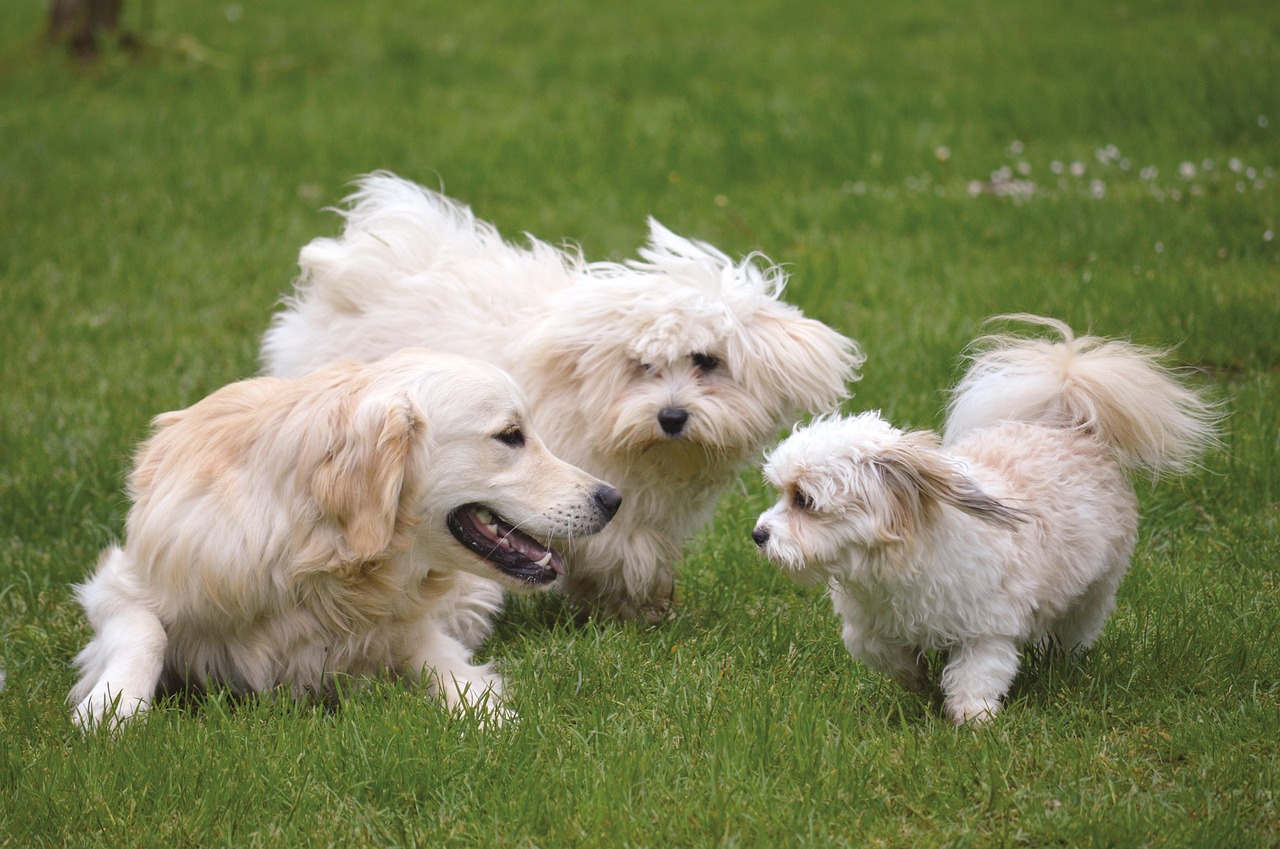

The Role of Social Exercise in Reducing Stress in Dogs
Dogs, much like humans, experience stress and anxiety throughout their lives. Engaging in social exercises with other dogs can significantly contribute to alleviating these emotional pressures. When dogs interact with their peers, they tend to showcase a marked improvement in mood and overall behavior. This can lead to a reduction in destructive activities, such as barking, chewing, or digging. Regular socialization helps establish canine friendships, which can provide emotional support and companionship. Social exercise often occurs in various forms including playdates, trips to dog parks, and organized dog sports. In addition to physical benefits, these activities also help dogs hone their social skills. Engaging with other animals enables them to learn appropriate behaviors, enhancing communication and teamwork. Furthermore, exercising with peers can provide mental stimulation, keeping dogs alert and focused. For dog owners, observing their canine companions flourishing in social settings can be immensely gratifying and rewarding. Ultimately, such interactions forge stronger bonds, not just with fellow dogs, but also enrich the relationship between dogs and their owners, leading to a happier, healthier pet.
Dogs thrive in social settings and benefit emotionally and physically from regular exercise alongside other dogs. Socializing allows them to form friendships that can ease feelings of anxiety and loneliness. Typically, these interactions serve as a fantastic opportunity for dogs to learn from one another. Different breeds exhibit distinct play styles, which can encourage adaptability in behavior and help prevent behavioral issues. Positive experiences with fellow dogs contribute to improved self-esteem, making them feel more secure in their surroundings. For example, a nervous dog may gain confidence when playing with a more assertive companion. Regular social exercise also fosters physical health, encouraging a range of activities from running, chasing, and wrestling. Such exercise combats obesity, which is a common issue among pets. More importantly, physical activity releases endorphins, which significantly boost your dog’s mood. Owners can enjoy quality time with their pets while also benefiting from their dogs’ social interactions. By attending group classes or doggy daycare, dogs receive structured environments where they can develop important life skills. These experiences directly contribute to long-term emotional stability and a calm demeanor, leading to a more enjoyable companionship.
The Importance of Environment for Dogs
Creating an engaging environment plays a significant role in promoting positive interactions among dogs. Well-maintained parks or open spaces provide the best settings for social exercise. Such environments should be equipped with essential facilities like water stations, shaded areas, and benches for owners. A safe environment mitigates stress, allowing dogs to explore and interact freely without fear of hazards. Dog parks are designed with different zones to accommodate varying play styles, enabling all dogs to find their preferred activities. For instance, some areas may be designated for small dogs, reducing the risk of accidental injuries from larger dogs. Additionally, supervised interactions can help minimize aggression or over-excitement, ensuring that all participating dogs feel secure. Owners should observe their dogs closely to ensure they are engaging positively. Moreover, social exercise provides an opportunity for dogs to work on their training skills. This includes learning to focus on commands in a distracting environment or practicing recall skills amid other playful dogs. Therefore, the right environment not only encourages social interactions but it also enhances training for various canine disciplines. Consequently, creating such spaces for dogs can improve their social well-being significantly.
The frequency of social interactions greatly affects a dog’s mental health and illustrates the relationship between play and stress reduction. Regularly scheduled playdates or group classes can enhance a dog’s socialization skills and emotional intelligence. These engagements help dogs develop confidence, which in turn allows them to manage stress more effectively. As dogs experience different scenarios, their resilience to anxiety grows, equipping them with the necessary skills to tackle unfamiliar situations. Furthermore, participating in group exercise fosters a sense of community among dog owners, leading to the establishment of friendships based on shared experiences and concerns. This camaraderie among owners can positively influence their dogs’ interactions, making them happier. It’s important for dog owners to seek out these opportunities and deliberately incorporate them into their dogs’ routines. For instance, joining local dog clubs or engaging in activities such as agility training provides ample chances for social exercise. Over time, these routines can become a vital part of a dog’s lifestyle. The combination of physical exertion, active play, and positive social interactions promotes mental alertness and boosts overall well-being, equating to fewer behavioral challenges.
Health Benefits of Social Exercise
Beyond stress reduction, social exercise provides numerous health benefits for dogs. Regular physical activity promotes cardiovascular health, maintaining strong, efficient heart function. Additionally, when dogs exercise socially, they engage in varied movements that enhance muscle tone and joint flexibility. This prevents age-related issues, particularly in larger breeds prone to hip dysplasia. Exercise does more than physically occupy dogs; it contributes to their emotional growth, decreasing occurrences of anxiety-based behaviors. A well-exercised dog is typically calmer, reducing the likelihood of nuisance barking or chewing. Interaction with other dogs also plays a role in stimulating their mental faculties. Engaging in play requires problem-solving and adaptability, sharpening their cognitive skills. Structured group activities can teach dogs commands and manners essential for harmonious living. Dogs learn boundaries and how to respect personal space when they participate in socialization. Furthermore, a dog that regularly interacts with others tends to be less fearful and more sociable in new situations. This increased confidence expands opportunities for their owners to introduce them to various environments, enhancing their general quality of life. Overall, social exercise creates multifaceted benefits that greatly improve both physical and emotional health.
For many dog owners, ensuring their pet has regular social exercise is not only a responsibility but also a way to strengthen their bond. Dogs thrive on companionship and the joy of their owners being engaged with them during play or physical activity. This interaction lays the groundwork for a trusting relationship based on shared experiences. It is essential for owners to actively participate in these social outings to deepen this connection. By joining in the fun, they reinforce positive associations with being in public and around other animals. Engaging with their owners allows dogs to feel more secure, ultimately combating stress and behavioral issues. Owners should create routines that incorporate social exercise into their daily lives, whether through regular visits to dog parks or arranging playdates with friends’ pets. Investing time in these shared experiences not only enhances the quality of life for pets but also enables owners to enjoy the mental and emotional rewards of a happy dog. As a result, both parties participate in a fulfilling experience, contributing to the overall health of the human-canine bond. In conclusion, social exercise serves many purposes that benefit both dogs and their owners.
Conclusion
In summary, social exercise plays a crucial role in reducing stress in dogs, ultimately creating happier and healthier pets. Through regular interactions with other dogs, they can develop essential social skills that promote emotional well-being. Dogs benefit from engagement with various breeds, as this diversity challenges them mentally and physically. Creating environments suitable for social exercise enhances these advantages, making it easier for dogs to thrive in social situations. The health benefits acquired through physical activity, combined with emotional support from peers and owners, create a holistic approach to canine care. Consequently, investing time in social exercises vastly improves the quality of life for dogs while forging stronger bonds with their owners. Those who prioritize socialization and exercise will notice a significant improvement in their dog’s behavior as confidence and companionship flourish. Owners are encouraged to seek opportunities for their dogs to engage socially, thereby fostering a happier, healthier life for their furry friends. As dogs and their humans embark on their journeys together, they create lasting memories through shared experiences that embody the essence of companionship and joy.
Given all these aspects of social exercise, it’s evident that incorporating socialization routines into a dog’s life should be prioritized. Owners who dedicate time to exploring local dog parks, organized playgroups, or even canine sports are paving the way for a richer experience for their four-legged friends. Understanding the connection between exercise and mental health will empower owners to make informed choices that benefit their dogs. Keeping dogs socially active contributes to their overall physical fitness and emotional stability. In particular, strong social skills help in various situations, reducing anxiety when faced with new challenges. As communities come together to support responsible dog ownership, the positive impact of dog socialization will echo throughout households. Each dog owner has the power to create a nurturing environment for their pet that encourages growth, confidence, and well-adjusted behaviors. With the right motivation and resources, every dog can access the emotional and physical benefits of social exercise. When owners take action, they will ultimately witness the transformation in their dog’s demeanor, providing consistent joy and satisfaction in their lives.