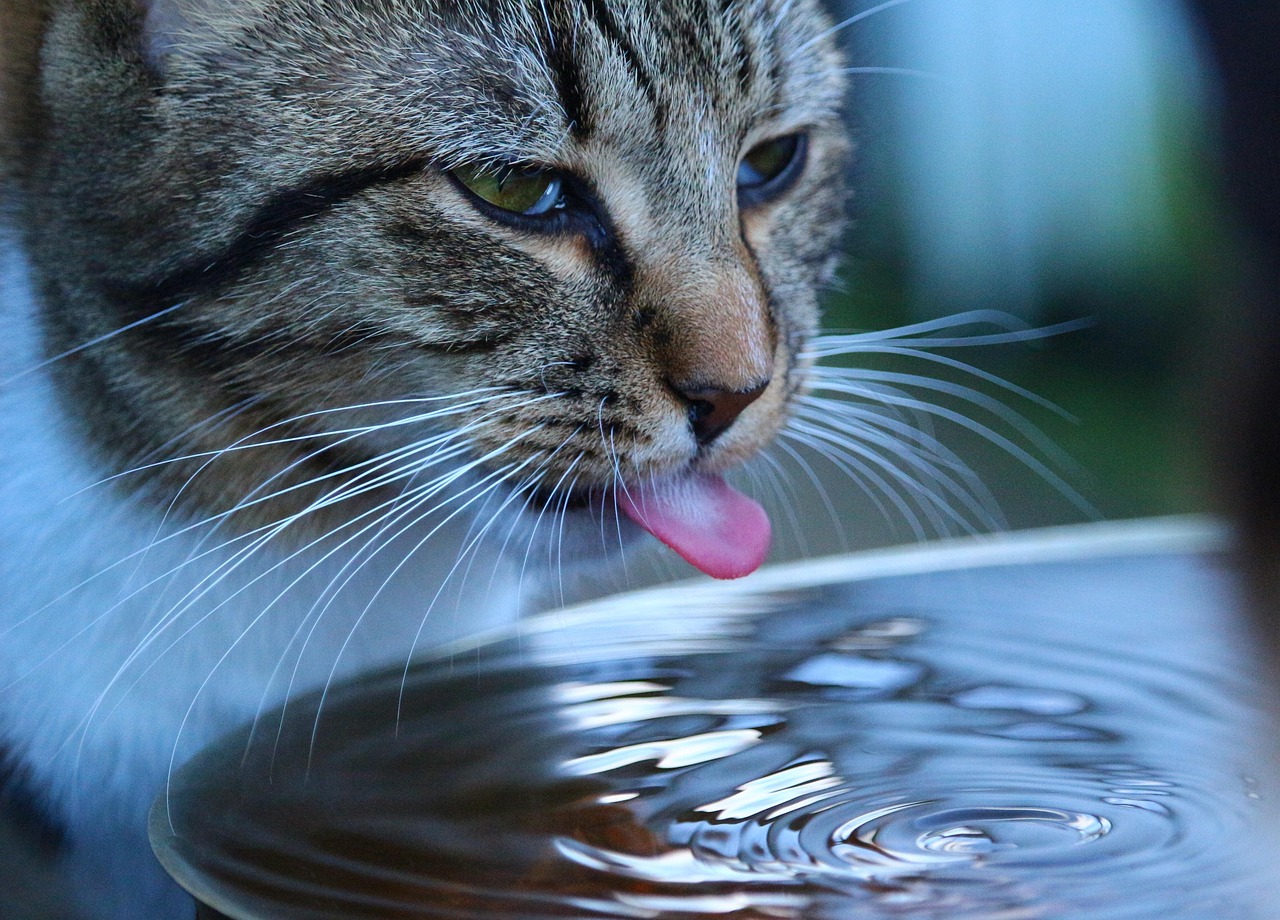

Tips to Encourage Your Kitten to Drink More Water
Hydration is absolutely crucial for kittens, as even slight dehydration can significantly impact their health. To ensure that your kitten stays hydrated, start by offering fresh, clean water daily. Change it at least once a day and use a clean bowl to prevent contaminants. Place the water bowl in a quiet area where your kitten feels safe and secure. Kittens are naturally curious and may be more interested in drinking if they have a unique water source. You might want to experiment with different types of bowls; some kittens prefer wider, shallow dishes for easy access. Additionally, consider adding cat-friendly water fountains, as many felines are attracted to running water. This may encourage them to drink more often and stay hydrated more effectively. Be aware of your kitten’s behavior regarding water consumption, as every cat could have its individual preferences. Monitor how often and how much your kitten is drinking to identify any concerning changes. Consulting with your veterinarian may also provide further insight if your kitten has persistent hydration issues. Maintaining hydration plays a vital role in inhibiting urinary tract diseases, common among felines.
Understanding Their Preferences
Every kitten has unique preferences, including how they enjoy drinking water. Some prefer still water, while others are drawn to running water. To determine your kitten’s preferences, try offering water in various types of containers. For instance, some cats like ceramic bowls, while others may favor glass or stainless steel. Each type may impact their drinking habits. Additionally, observe your kitten when it comes to temperature. Some might enjoy lukewarm water or prefer it chilled. Experimenting with these variables can enhance their drinking experience. Always remember that kittens learn through observation, so if they see you or another pet drinking from a particular source, they might mimic that behavior. Make drinking water a more social event, perhaps encourage your kitten’s drinking habits by drinking water yourself near their bowl. Boredom is also a reason why cats may resist drinking; thus, refreshing their water daily can help. Try adding a few ice cubes to the bowl for a little play and extra coolness. Remember that your kitten’s hydration is closely linked to their overall well-being.
Moreover, adding some moisture to your kitten’s diet can go a long way in helping them stay hydrated. Consider offering wet food options as a part of their meals. The high water content in wet food can significantly contribute to their overall fluid intake. Additionally, you can enhance their dry food by mixing in a little water or low-sodium broth, making it more appealing. This not only encourages hydration, but also adds variety to their diet. Always consult your veterinarian beforehand to ensure you’re making the best decisions for your kitten’s specific needs. This can prevent any possible dietary issues resulting from changes in food consistency. Fresh, flavorful options can stimulate your kitten’s appetite, encouraging them to eat and drink. Moreover, consider setting specific meal times and allowing only brief free-feeding periods. This can help regulate your kitten’s eating habits and ensure that they consume enough food and drink. Remember that a well-balanced diet goes hand in hand with proper hydration for optimum kitten health. Regular vet check-ups can help monitor your kitten’s progress.
Creating an Inviting Drinking Environment
Creating a welcoming environment for your kitten to drink water is essential. Place their water bowl in an area free from distractions and hazards. Ensure that the bowl is kept away from their litter box. Kittens can be particular about cleanliness, so this simple act can encourage them to drink more. Positioning the water near their favorite resting spots or play areas can also encourage them to drink frequently. Light and visibility matter; a spot with natural light may entice your kitten to investigate their water bowl more closely. Some kittens enjoy drinking near a window where they can watch outside; this added interest can increase their water intake. If your kitten seems uninterested in a bowl, try moving it around to different locations. Sometimes, all it takes is a little change in scenery to pique their curiosity. Observe your kitten’s behavior closely, adapting to their drinking habits accordingly. Remember that a clean environment and attention to their comfort can create opportunities for positive drinking experiences.
Additionally, hydration aids in the overall organ function and physical health of your kitten. This underscores the importance of regular check-ups with your veterinarian for nutritional guidance. Consider discussing the recommended amount of water and hydration strategies specific to your kitten’s unique lifestyle and habits. Be sure to ask about common signs of dehydration, such as dry gums, lethargy, or loss of appetite. Your veterinarian can guide you on ensuring your kitten stays well-hydrated, especially if its dry foods include high protein content. Watching for any changes in your pet’s energy levels or drinking patterns can help catch potential issues before they escalate. Engaging your kitten in playful drinking habits can also be beneficial; consider using treats to reward them after drinking water. This positive reinforcement can encourage a healthy habit over time. Remember that building the habit of drinking often takes time and patience, so be consistent in your efforts and observations. Remain observant to their development, tailoring strategies to suit their evolving preferences and requirements.
Importance of Monitoring Water Intake
Monitoring how much water your kitten consumes daily is important. This can help identify any inconsistencies in their hydration patterns which may signal underlying health issues. For kittens that are not drinking enough, be vigilant for symptoms of dehydration. Equip yourself with knowledge about how much water is considered normal based on your kitten’s weight and age. Factors like activity levels, diet, and environmental temperature all affect your kitten’s hydration needs. Weighing regular changes and consulting with your vet can provide invaluable insights into your kitten’s health. A simple way to gauge daily water intake is to record how much water you refill in the dish over several days. This can give you a clear picture of trends in their consumption behavior. In particular, monitor any increases or decreases in their intake related to dietary changes. If you consistently notice that your kitten is drinking less than expected, take it as a sign to adjust your approach. Work with your vet to address hydration issues and ensure the long-term health of your feline friend.
Encouraging hydration in your kitten is essential for their general health and wellbeing. In an age where many pets can be picky drinkers, implementing these strategies can enhance their experience dramatically. Choosing the right materials for water bowls, experimenting with different locations, and providing interactive drinking options can lead to increased water consumption. Weigh the benefits of offering a variety of food types, alongside their water supply, to balance their hydration effectively. Remember that kittens are impressionable, so modeling good behavior around drinking can immensely impact their habits positively. By creating a pleasant drinking atmosphere, using enticing flavors, and monitoring their intake closely, you can encourage a healthier lifestyle for your furry companion. It takes time, observation, and patience to foster good habits, and your efforts to promote hydration will pay off in the long run. As your kitten grows, maintain adaptability and awareness of their individual needs and preferences. This level of care will help ensure that your beloved pet remains happy, healthy, and well-hydrated, ultimately reducing the risk of future health problems.
Final Thoughts on Kittens and Hydration
In conclusion, understanding and addressing your kitten’s hydration needs is a puzzle that requires patience, effort, and commitment. Emphasizing the need for clean water, a welcoming environment, and observation will help ensure your furry friend thrives. Always stay alert to changes in drinking behavior, and do not hesitate to consult with a veterinary professional. They can offer tailored advice that considers not only hydration but the overall health of your kitten, ensuring they are set up for a long and joyful life. Every small change you implement can lead towards making a significant difference in their health and happiness. Cherishing the bond of friendship with your kitten, working together to meet their needs fosters trust and companionship, which are fundamental to enriching their lives. The love and care you provide as a pet owner form the groundwork for lifelong habits that can keep your kitten healthy. By investing time and love into their hydration practices, you contribute to their growth and development, paving the way for a flourishing relationship. So take these tips to heart, making hydration fun and accessible for your beloved feline.