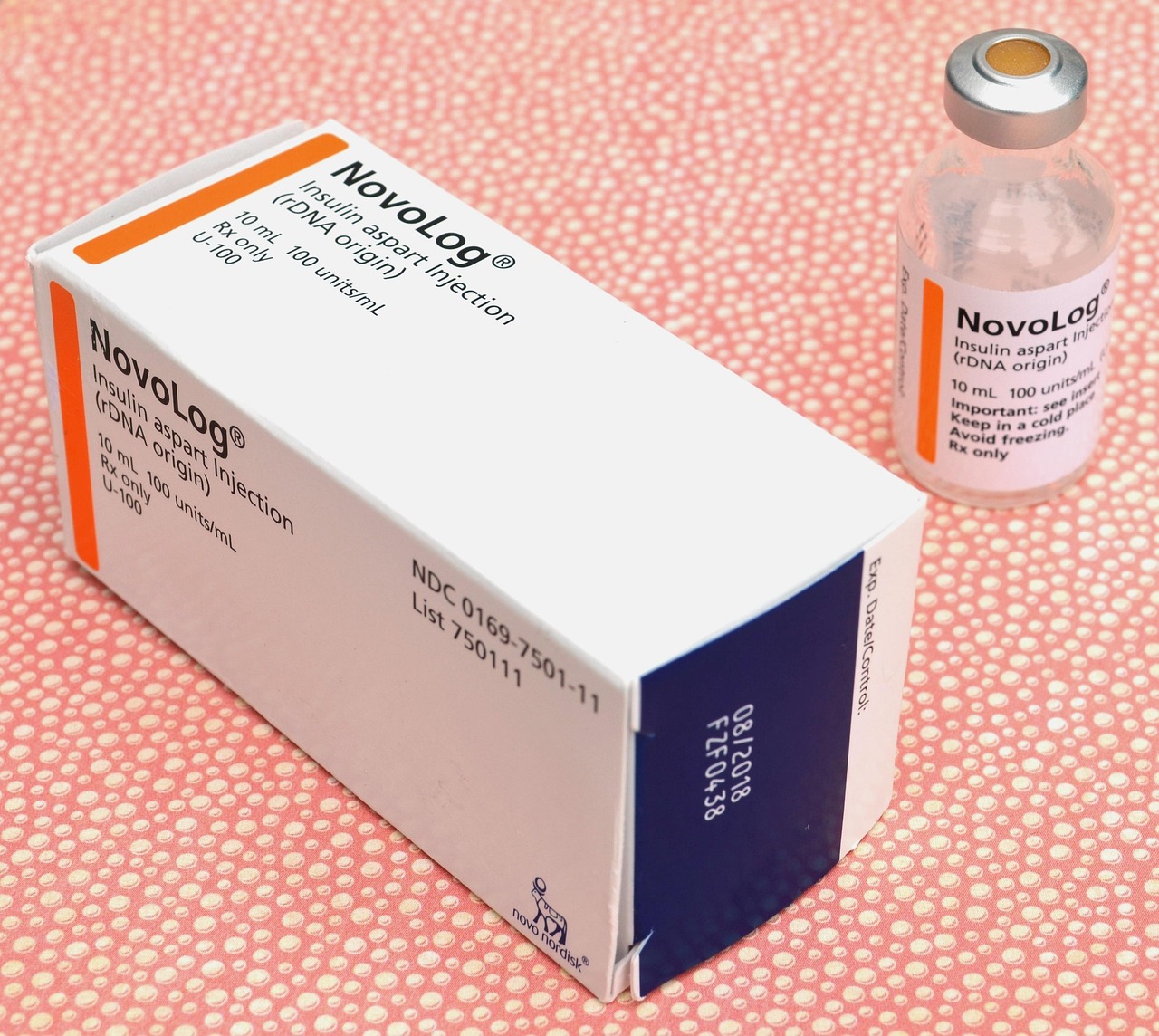

Understanding Diabetic Ketoacidosis in Dogs
Diabetic Ketoacidosis (DKA) is a critical condition that can affect dogs with diabetes. It occurs when there is an accumulation of ketones in the bloodstream due to insufficient insulin. DKA poses serious health risks if not recognized and treated promptly. Pets that suffer from DKA typically have uncontrolled diabetes, leading to complications. Symptoms may include increased thirst and urination, lethargy, and unusual appetite changes. Understanding DKA is essential for pet owners, veterinarians, and caretakers. Awareness can help in early identification and better outcomes. Monitoring blood glucose levels and administering insulin appropriately is crucial in diabetic dog management. A diabetic dog’s owner should always consult their veterinarian regarding treatment plans and diabetic education. Owners should also educate themselves about DKA causes, symptoms, and prevention. Identifying early warning signs allows for timely veterinary intervention. As part of a comprehensive care regimen, blood tests should be performed regularly to help manage diabetes in dogs. Beyond insulin therapy, regulated diet, and routine exercise play vital roles in maintaining balanced glucose levels.
DKA results from multiple factors, including stress, infections, and dietary indiscretions. Dogs with concurrent illnesses can experience rapid progression of DKA symptoms. Some common triggers include vomiting, diarrhea, and severe infections like urinary tract infections. In such cases, an immediate veterinary examination is necessary. Initial diagnosis of DKA typically involves blood tests to assess ketone levels, glucose concentrations, and electrolyte imbalances. Treatment involves a combination of insulin therapy and fluid replacement, helping to correct metabolic derangements. Continuous monitoring of blood glucose levels during treatment is vital for gauging response and adjusting therapy as needed. Once stabilized, dogs may require ongoing management of diabetes to prevent recurrence of DKA. This may include adjustments in insulin doses, dietary changes, and regular veterinary follow-ups. Moreover, it’s crucial to note that DKA may be preventable through adequate diabetes management practices. Having a solid understanding of your dog’s condition will help provide better care and enhance well-being. In many cases, prompt medical attention can significantly improve the prognosis for dogs affected by DKA.
Signs and Symptoms of DKA
Recognizing the early signs of DKA is essential for timely intervention. Common symptoms to watch for include excessive thirst, frequent urination, and lethargy. Additionally, dogs may exhibit a lack of appetite, increased vomiting, or abnormal breath odors. A dog’s breath often develops a fruity or acetone-like smell during DKA, signaling the presence of ketones. It can be an indicator of metabolic distress. Other symptoms may include rapid breathing or panting. The combination of these signs should prompt immediate veterinary evaluation. Any sudden change in a diabetic dog’s condition warrants serious concern. Routine at-home glucose monitoring can provide insight into fluctuations that may lead to DKA. Keeping a record of the dog’s symptoms and behaviors can also assist the veterinarian in diagnosing the issue. During physical examinations, veterinarians may look for dehydration, abdominal pain, or other concerning clinical signs. To summarize, recognizing these symptoms can facilitate quicker veterinary intervention, improving patient outcomes. Owners should never hesitate to seek veterinary assistance when their diabetic dog shows signs of distress.
After diagnosed with DKA, the hospitalization of the dog is often necessary. Initial stabilization includes the administration of intravenous fluids and electrolytes. There may also be a need to administer insulin carefully to correct excessive glucose levels. It is important to avoid rapid changes in glucose levels, as this can lead to complications. The recovery period may vary depending on the severity of the case. Ongoing monitoring and supportive care are crucial during this phase. Veterinarians will keep a close watch on several factors, including hydration status, blood glucose levels, and general well-being. Once stabilized, recommendations for transitioning home will be made. This includes a discussion on dietary management, ensuring that your canine receives appropriate feeding. Owners will also need to understand insulin administration at home. Regular vet follow-ups are essential post-DKA as well. This way, any concerns can be addressed before they escalate. The owner’s commitment to managing their dog’s diabetes will play a critical role in preventing future DKA incidents. Overall, education and adherence to veterinary directions can significantly impact health outcomes.
Preventing DKA in Diabetic Dogs
Prevention of diabetic ketoacidosis demands proactive engagement from dog owners. Understanding factors contributing to the condition is essential. Maintaining stable glucose levels is the first line of defense against DKA. Following an established insulin regimen is critical in keeping blood sugar in range. Alongside insulin, a consistent and appropriate diet can help manage glucose levels effectively. Feeding times should be consistent, and the quality of food is vital. Selection of food rich in nutrients and low in rapid sugars will help stabilize energy levels. Regular exercise can contribute to better metabolic control, benefiting diabetic dogs. Physical activity aids in insulin sensitivity, promoting better sugar utilization in the body. Monitoring for any changes in normal behavior can provide early warnings, allowing for prompt intervention. Awareness of the dog’s overall health, including any symptoms of illness, is also crucial. Moreover, regular communication with your veterinarian can help adjust treatment plans to suit evolving health needs. Following these steps diligently can drastically reduce DKA incidence. Ultimately, a continuous commitment to diabetes management will improve your dog’s quality of life.
In addition to day-to-day management, owners should equip themselves with essential knowledge about diabetic emergencies. Preparation for any situation is imperative when caring for a diabetic dog. Owners should know how to administer insulin correctly and understand the correct dosage. Education on recognizing signs of hypoglycemia is equally important, as both high and low sugar levels can be dangerous. A pet first aid kit that contains necessary supplies can be beneficial. Owners should include glucose gel or tablets designed for pets to treat emergencies. Learning how to check blood glucose levels at home can offer vital information in critical situations. Furthermore, attending workshops or training on diabetic management can enhance knowledge and skills. Developing a support network with fellow pet owners facing similar challenges can share experiences and resources. Knowledge is a powerful tool in the fight against DKA and other diabetic emergencies. Continuous education empowers owners to advocate effectively for their canine companions. This ensures quick results during an emergency and fosters better health outcomes in the long run.
Conclusion
In conclusion, understanding diabetic ketoacidosis in dogs is crucial for pet owners and caregivers. DKA can have devastating consequences if not treated promptly, highlighting the importance of awareness. Timely identification of symptoms and obtaining veterinary care can save lives. Owners must take responsibility for monitoring their diabetic dog’s health, including blood glucose levels and behavioral changes. Comprehensive care strategies, including insulin management and diet, are essential for preventing DKA. Ensuring regular vet appointments reinforces health maintenance while providing crucial education. Furthermore, sharing insights and support with other pet owners contributes to a happier and healthier community. With proper knowledge and resources, many cases of DKA can be prevented, leading to significantly improved outcomes for diabetic dogs. Prioritizing a dog’s health will also foster a stronger human-animal bond. In summary, the fight against DKA begins with informed owners who commit to proactive management and responsible care. Together, the veterinary community and pet owners can work towards better health standards in diabetic dogs. With dedication and care, we can ensure our furry friends live healthy, happy lives.
For visual references regarding diabetic ketoacidosis in dogs, consult reputable veterinary resources and literature. Understanding this condition can ultimately save lives and improve the wellbeing of canine companions.