
Understanding the Impact of Indoor Environment on Cat Grooming
The indoor environment significantly influences cat grooming habits and behaviors. Variables such as temperature, humidity, and cleanliness play crucial roles. An optimum environment encourages regular grooming, promoting a cat’s overall health, skin, and coat condition. When the environment is comfortable, cats tend to groom themselves more often, ensuring a clean and tangle-free coat. Conversely, excessive humidity can lead to matting and skin conditions. It’s vital to monitor your indoor climate carefully, ensuring it’s tailored to your cat’s needs. Additionally, the presence of grooming tools and their accessibility can enhance regularity in self-grooming. Cats appreciate having various brushes and combs available, enabling efficient grooming routines. Indoor air quality also affects a cat’s grooming. Allergens, dust, and pollutants can irritate skin, compelling cats to groom excessively. Therefore, maintaining a clean indoor environment is advantageous. Regular vacuuming and dusting can help minimize allergens in your home, ultimately leading to healthier grooming habits. Providing a stable, clean, and comfortable indoor setting is paramount in fostering your cat’s grooming experience and overall well-being, guaranteeing they remain healthy and lively throughout their lives.
In addition to temperature and cleanliness, the design of the indoor space plays a vital role in influencing a cat’s grooming patterns. Cats appreciate having access to safe and comfortable spaces, like cat trees or cozy corners. When a cat feels secure in its environment, it is more likely to engage in regular grooming. A cluttered space can make a cat feel stressed and anxious, thus reducing grooming frequency. Moreover, incorporating interactive elements within their spaces enhances both mental stimulation and physical activity, which indirectly impacts grooming behavior. It is also essential to consider lighting conditions; bright, natural light can encourage a cat to groom itself more readily. A well-illuminated space allows cats to better observe their own fur, aiding in identifying areas that need attention. Furthermore, using soothing colors in the environment can create a calming atmosphere. Cats, like humans, respond to aesthetics, and a visually appealing area can help reduce stress, promoting positive grooming habits. Therefore, ensuring your cat has a safe, pleasurable indoor environment significantly affects their grooming practices, allowing them to maintain their beautiful coats with ease.
The Role of Air Quality in Grooming
Air quality is a critical factor influencing cat grooming, as poor air can lead to various respiratory and skin issues. Pollutants and allergens in indoor spaces can irritate a cat’s skin, prompting excessive grooming, leading to hair loss and skin problems. Regularly changing air filters in heating and cooling systems can significantly improve indoor air quality. Moreover, using air purifiers can capture airborne irritants, helping maintain a healthier environment. It’s essential to regularly ventilate your home, allowing fresh air to circulate and reduce pollutants. Additionally, certain plants can help improve indoor air quality. For example, spider plants and peace lilies effectively filter harmful substances, contributing positively to a cat’s living space. Moreover, using pet-friendly cleaning products can minimize harmful residues in the home. Regular cleaning helps maintain not only a hygienic environment but also promotes a healthy grooming routine for your cat. Reducing dust accumulation through frequent cleaning further enhances their overall well-being. Therefore, providing a clean air environment is crucial for maintaining healthy grooming practices, preventing any potential health issues that might arise from poor air quality.
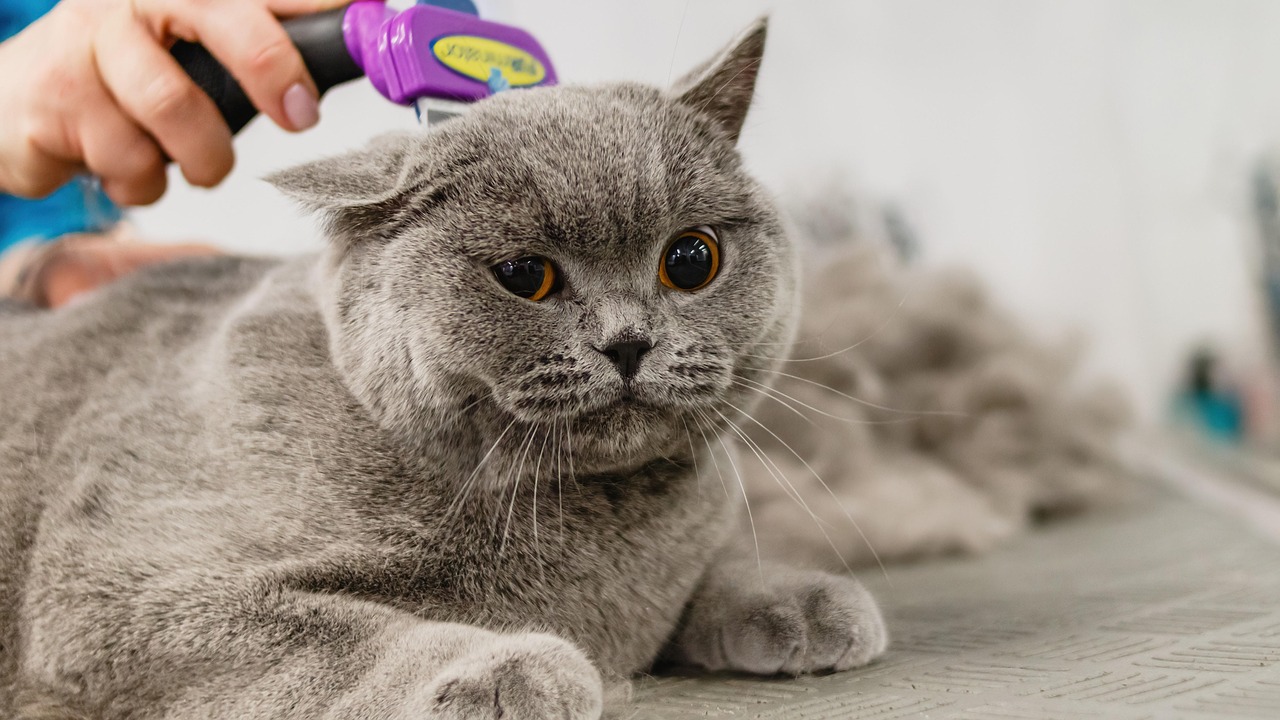
Another important consideration for cat grooming is how furniture arrangement impacts a cat’s ability to groom itself efficiently. Cats often prefer elevated spaces, as they feel safer and less vulnerable while grooming. By providing cat shelves or perches, you allow your feline friend to find comfort while tending to their fur. On the other hand, too cluttered or confusing environments may lead to anxiety, hindering their grooming routines. An orderly arrangement of furniture helps cats navigate freely, allowing them to comfortably find their favorite grooming spots. Moreover, ensuring that grooming tools are easily accessible enhances the overall grooming experience. Designate specific areas in your home with conveniently placed brushes and combs, encouraging more frequent grooming sessions. This can also motivate owners to engage in grooming routines with their cats, strengthening the bond and enhancing their well-being. Additionally, consider maintaining a quiet environment during grooming sessions; loud noises can create stress responses, reducing their grooming efforts. By attentively observing and managing your indoor space, you can positively influence your cat’s grooming habits and overall comfort.
Creating a Calming Space for Your Cat
Creating a calming space for your cat is essential for promoting healthy grooming habits. Cats thrive in environments that offer peace and security, directly impacting their well-being. Introducing cozy beds, hideaways, and soft blankets can provide comfort, encouraging the natural grooming behaviors of your feline companions. A calm atmosphere reduces stress, enabling cats to take their time grooming, rather than feeling rushed or anxious. Soft music or the use of pheromone diffusers can help create a soothing ambiance. Furthermore, minimizing loud disturbances and chaotic activities in your home can enhance their comfort. Cats are sensitive creatures, and their grooming habits can easily be disrupted by sudden noises or movements. Another effective way to foster a calming environment is to maintain a consistent routine. Predictable feeding and playtimes help to create a sense of stability, allowing your cat to relax during grooming sessions. Establishing a designated quiet area where your cat can retreat offers a sanctuary for personal grooming and relaxation. By considering these elements, you support a nurturing environment conducive to your cat’s grooming needs and overall health.
Lastly, consider the role of temperature in your indoor environment and its impact on cat grooming. Cats are particularly sensitive to temperature changes. Maintaining a comfortable temperature is essential for their grooming practices. When it’s too hot, cats may become lethargic, leading to a decrease in self-grooming, which can result in matting and skin issues. Conversely, a cold environment can deter grooming altogether, as cats might be reluctant to spend time caring for their coats in an uncomfortable setting. Aim for a stable indoor temperature, ideally between 68°F and 72°F (20°C to 22°C), to encourage regular grooming. Providing sunlit spots can also be helpful, as cats love warmth. They often gravitate to sunny windows, absorbing warmth while grooming. Additionally, providing blankets and warm bedding can entice them to engage in grooming activities. It’s essential to monitor seasonal changes, making adjustments in temperature regulation as needed. By prioritizing a balanced temperature within your home, you encourage a comfortable atmosphere, significantly enhancing your cat’s grooming behavior and overall health.
Final Thoughts on Cat Grooming Environments
In summary, the impact of the indoor environment on cat grooming cannot be underestimated. By carefully considering factors such as air quality, temperature, and space arrangement, you can significantly influence your cat’s grooming habits. Creating a serene atmosphere equipped with appropriate tools fosters a healthy grooming routine, enabling your feline friends to maintain their coats effectively. Moreover, ensuring their environment is clean from pollutants and allergens plays a vital role in averting health issues that may arise from routine grooming behaviors. Providing safety and comfort within your home enhances your cat’s overall well-being, ensuring they feel relaxed during grooming sessions. Consistent attention to indoor environments shapes a cat’s grooming habits while promoting a fulfilling lifestyle. By embracing these considerations, you contribute positively to their grooming practices, health, and happiness. Your commitment to fostering a supportive and nurturing environment will surely pay off, ensuring your beloved pet remains healthy, happy, and well-groomed. In conclusion, a comprehensive understanding of the indoor environment’s impact on grooming cultivates harmonious relationships between humans and their pets, enriching their lives together.
In conclusion, maintaining a supportive indoor environment for your cat is crucial for effective grooming practices. By prioritizing comfort, cleanliness, and an overall healthy living space, you significantly contribute to your feline friend’s grooming habits and well-being. Regular assessments of air quality, room temperature, and available resources empower you to create the best environment for your cat, nurturing its natural grooming instincts. Furthermore, building a strong connection with your pet through engaging grooming routines fosters not only a healthier coat but a deeper bond. By acknowledging and enhancing the relationship between grooming and the indoor environment, you facilitate a happier and healthier life for your cat. Stay observant of your pet’s habits and adjust the space as required. With ongoing care and attention to these elements, you can encourage positive behaviors that lead to a happy, well-groomed cat. Ultimately, providing an indoor environment conducive to grooming not only beautifies your feline companion but enriches the shared experience you both enjoy. Emphasizing these aspects ensures a comfortable, safe haven for your beloved pet, promoting lifelong vitality and joy through their grooming practices.