
How Different Cat Breeds Behave During Shows
When cat shows occur, different breeds exhibit varied behaviors due to their unique characteristics. For instance, the Persian cat typically displays a calm demeanor, often enjoying the attention of judges and spectators. These gentle felines usually relax and bask in direct sunlight during the event, creating an overall peaceful atmosphere. Known for their stunning coats and expressive eyes, Persians give judges ample opportunity to assess their beauty without fuss or restlessness. Contrarily, the Oriental Shorthair is highly energetic and spirited. Instead of remaining tranquil, they tend to explore their surroundings with curiosity, engaging actively with both observers and handlers. This playful breed showcases an adventurous spirit, making them fascinating to watch. Observers often appreciate their playful antics, which highlight their agility and intelligence. Another breed, the Maine Coon, presents a mix of both worlds. They balance between being laid-back and playful, often choosing to lounge next to their owners while occasionally engaging in playful behavior. Each of these breeds contributes to the dynamic atmosphere at shows, capturing the hearts of attendees with their unique traits.
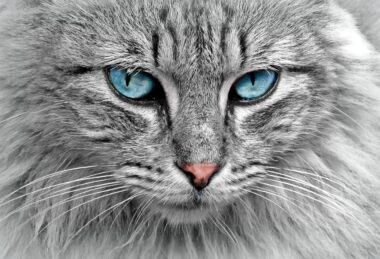
Furthermore, the British Shorthair tends to exhibit a regal bearing during shows, displaying a certain aloofness that many find appealing. This breed often prefers to observe from a distance before gradually warming up to judges and spectators alike. Their plush coats and round faces often lead to admiration from attendees. In contrast, the Sphynx has a different approach altogether. Being hairless, they attract many curious onlookers, likely drawn by their unusual appearance. They possess high energy levels, often basking in attention and loving to be handled, which can prove entertaining. This breed’s playfulness can stir laughter among the crowd, adding to the spectacle with their curious nature. Meanwhile, Ragdolls are particularly famous for their affectionate characteristics. Known for being particularly docile, Ragdolls typically become limp when held, exhibiting a conventional trust towards their handlers. Their captivating blue eyes and striking color patterns ensure that they garner attention, creating an enchanting presence at shows. Each breed brings its own style and essence, further enriching the experience of those who attend cat shows, while showcasing the incredible variety found within the feline world.
Understanding the Impact of Socialization
Socialization profoundly influences a cat’s behavior during shows. For example, cats that have been exposed to various environments early on tend to adapt better when placed in the show atmosphere. These breeds often exhibit confidence, actively engaging with their surroundings instead of retreating from the hustle and bustle. Kittens from well-socialized backgrounds usually display ease when interacting with both humans and other animals, making the show experience enjoyable for everyone involved. Interestingly, the Siamese cat, known for its vocal nature, can especially excel in this regard. Their outgoing personalities frequently result in them being chatty and affectionate during demonstration. As they move through the judging process, their sociable tendencies help them stand out positively. On the other hand, less socialized breeds, such as the Norwegian Forest Cat, may initially appear more reserved as they tolerate the unfamiliar setting. This behavior can potentially stem from a lack of exposure, leading to the need for a gradual acclimatization to the show environment. Understanding these behaviors enhances the experience, ensuring both cat lovers and participants see some memorable moments unfolding.
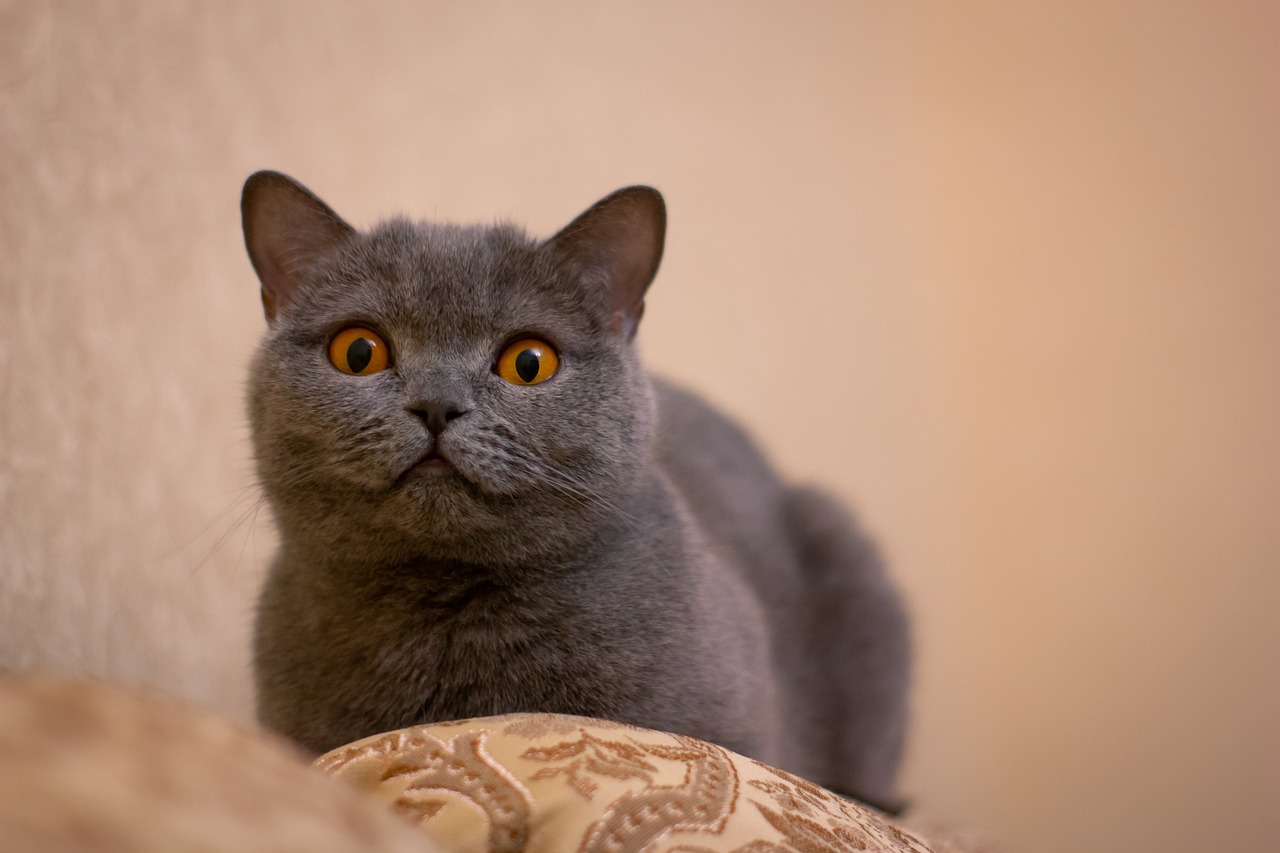
Moreover, the breed’s natural instincts also influence how cats behave during these shows. Breeds like the Scottish Fold, known for their distinctive ears, often showcase a mix of curiosity and authenticity. On stage, they may exhibit characteristic behaviors like head tilting and gentle paws, engaging the crowd with their unique charm. Demonstrating both playfulness and affection, these cats consistently attract attention. In contrast, Chartreux cats often display a more stoic demeanor at shows, depicting a sense of calm reserve. They tend to prefer observing rather than engaging, which often makes them appear more mysterious. Their unique blue-gray coats and orange eyes add an extra layer of allure, captivating spectators despite their gentler behaviors. As each cat moves through the event, their individual personalities become evident, creating a diverse parade of feline traits. Judging not only focuses on physical attributes but also evaluates temperament and behavior, demonstrating why such shows are an exciting event. Understanding how these various breeds respond provides valuable insight into their distinct behaviors in these dynamic and often competitive environments.
Training Techniques for Show Cats
Training techniques are crucial in preparing cats for shows. For many breeds, especially those with outgoing personalities like the Bengal, early socialization and positive reinforcement during these training sessions play pivotal roles. Handlers often utilize treats or praises as rewards to stimulate good behaviors. This method fosters a significant bond while displaying tricks or desired behaviors, making presentations more enjoyable for both cats and their owners. An attentive audience will produce an inviting atmosphere that encourages the cats to shine. Conversely, training methods for more reserved breeds like the Russian Blue may require patience and a gentle touch. Gradual exposure to various show elements—like stage lights and bustling crowds—helps build their confidence over time. Owners may also practice handling methods that mimic show conditions, leading to a smoother experience during the event. These proactive measures reduce stress for the cat and improve their performance, showing essential traits to judges. Training, coupled with understanding a breed’s natural dispositions, ultimately sets the stage for a successful and entertaining show experience.
Additionally, frequent practice in show environments greatly benefits all breeds. For instance, American Curls displayed in real-life settings gain familiarity and reduce anxiety when taken to an actual cat show. By moving between environments where they are at ease and those that induce anxiety, cats can learn to manage their stress levels more effectively. Owners often observe improvements over time as their feline companions acclimate to the show atmosphere, often becoming part of the audience’s excitement. Furthermore, managing health and well-being also significantly contributes to a cat’s success at shows. Regular veterinary check-ups ensure pets remain healthy, preventing fatigue or discomfort; this attention improves overall performance during live presentations. Consequently, a well-prepared and healthy cat is more likely to exhibit confidence on stage. Owners thus prioritize proper nutrition and care to enhance their breeds’ experiences. This loving attention helps radiate positivity, creating even more dynamic performances that resonate with judges and audiences alike. Such practices highlight behind-the-scenes work crucial for delivering successful cat show experiences.
Conclusion on Cat Behavior in Shows
In conclusion, observing various cat breeds at shows is an unparalleled experience. Each breed showcases distinctive characteristics and behaviors, encouraging unique performances during competitions. Whether it be the playful nature of the Oriental Shorthair or the regal presence of the British Shorthair, each cat contributes a memorable touch that delights attendees. Socialization, training techniques, and health also play vital roles in shaping how these cats behave throughout their time in competitions. As familiarization reduces anxiety and enhances positive interactions, it ultimately leads to a better show experience. By understanding the behaviors associated with different breeds, audiences gain appreciation for the complexities inherent in feline performance. The joy these cats bring to their owners and spectators amplifies the entire event’s enjoyment. Consequently, preparing and nurturing each cat allows them to shine, transforming potential anxiety into captivating displays of beauty and charm. Thus, every cat show highlights not just an evaluation of aesthetics but also several heartfelt connections between cats, their owners, and their devoted fans.
As individuals seek to explore the world of cat shows, these insights can prompt a deeper appreciation for feline behavior. By recognizing how breeds act differently in these settings, cat lovers can cultivate better environments for their pets’ emotional growth. Participating in these events becomes a mutual bond of learning, trust, and mutual admiration. Each show can introduce people to diverse breeds, deepening one’s understanding of the feline universe and its diversity. They can also facilitate relationships amongst fellow cat lovers, creating a supportive community centered around their passion for these extraordinary animals. Ultimately, making connections will significantly bolster community knowledge about specific breeds and their grooming needs while debunking myths often surrounding them. These valuable interactions can broaden experience and understanding while establishing a loving atmosphere for both new and seasoned cat owners alike. The allure of cat shows continues to inspire those who share a bond with these wonderful animals. Engaging in these delightful environments signifies the dedication many exhibit toward their feline friends, showcasing a true labor of love that resonates within the entire community.