
How Judges Evaluate Behavior and Temperament in Virtual Cat Shows
Virtual cat shows have risen in popularity due to the convenience they offer to both participants and judges. Evaluating a cat’s behavior and temperament in such a setting requires a deep understanding of feline body language. Each breed has unique characteristics, and judges look for various traits that indicate a cat’s health and disposition. Various factors are taken into account, such as how the cat interacts with its surroundings and owners. Judges evaluate behavior by watching for specific signs: boldness, curiosity, and friendliness, among others. These attributes can display a cat’s temperament effectively. A well-adjusted cat typically showcases confidence without aggression. Additionally, watchers must observe how cats respond when introduced to different stimuli during the virtual show. Collectively, these evaluations help determine a cat’s suitability for judging and potential awards. Cats that exhibit calm reactions under pressure tend to score higher. It’s essential to take meticulous notes during this assessment process, as it helps maintain objectivity. Thus, judges ultimately ensure that temperament and behavior align with the breed standards, allowing fair and accurate evaluations throughout the competition.
In virtual cat shows, judges enhance their evaluations by using various camera angles and perspectives. This technology allows them to observe cats in a more dynamic way, replicating what would happen in a live environment. Judges can analyze specific behaviors such as grooming, resting positions, and playfulness. Each of these aspects provides insight into the cat’s mental state and adaptability. Additionally, the virtual platform allows owners to showcase their pets’ unique abilities, enriching the judging experience. During the evaluation, judges often request specific actions or interactions from the cats, ensuring a comprehensive understanding of their personalities. It’s key to observe how each cat reacts to these prompts and the surrounding environment. Moreover, these digital platforms emphasize the importance of presentation; thus, careful lighting and clutter-free backgrounds help focus more on the cat’s behavior. Additionally, judges can review recorded footage of the show, allowing for a more thorough assessment. This replay feature is crucial for capturing anything that may have been missed during the live viewing. Hence, technology has revolutionized the judging process, offering multiple ways to assess feline behavior effectively and accurately during virtual competitions.
Assessing Behavioral Traits
The assessment of behavioral traits in virtual cat shows requires a keen eye. Unlike traditional shows, where physical presence allows for different interactions, virtual settings rely heavily on video footage. Judges analyze how cats respond to both voice commands and visual stimuli presented on-screen. The goal is to understand not only temperament but also the energy level displayed during the evaluation. Energetic cats may exhibit high levels of playfulness, which are highlights for many judges. Submitting videos that demonstrate these characteristics has become essential for participants. The video submissions help the judges envision how cats would fare in a real-life scenario by reflecting common breed traits and behavioral tendencies. Moreover, a cat’s adaptability to the home environment is often a reflection of its upbringing; this element is critical during the assessment. Observations of behavior at home can reveal important factors. Are they calm with distractions? Do they socialize well with their owners or other pets? These situations can significantly sway a judge’s opinion regarding a cat’s behavioral profile. Ultimately, identifying these traits results in a more enjoyable experience not only for judges but also for cat owners showcasing their beloved pets.
Examining the interaction between cats and their owners is another essential factor in the judging process. Judges focus on how confident and comfortable each cat appears with its handler during the event. This relationship can highlight the training and preparation that has gone into presenting the cat. When a cat seems at ease, it typically exhibits more balanced behavior, making it easier for judges to evaluate temperament. The way an owner handles their cat can impact scoring; calmness promotes positive presentation, while anxious handling often sparks defensive reactions from the animal. Moreover, understanding the pet-owner dynamic allows judges to gauge if the cat aligns with traditional breed behavior. During evaluations, virtual settings facilitate opportunities for owners to reposition and showcase cats creatively. Such interactions also aid in understanding a cat’s natural behavior, which is essential for a fair judgment. Moreover, judges can effectively evaluate how well the cat performs amidst distractions, illustrating adaptability. This process makes evident that not merely the cat’s attributes count, but the owner’s ability to harness and showcase those traits effectively plays a critical role in achieving success during competition.
Utilizing Technology to Enhance Evaluations
As technology has advanced, so too have the methods judges employ in evaluating virtual cat shows. Live-streaming capabilities allow judges to assess cats in real time and provide immediate feedback. This interaction offers a transparent insight into individual assessments, enhancing overall credibility. Additionally, judges often incorporate various software tools to better analyze behavior patterns, letting them compile comprehensive reports. This data-driven approach promotes a higher degree of accuracy in scoring and evaluation. The availability of virtual environments also offers a unique opportunity for continual improvements. Judges can review prior performances, drawing comparisons between different shows to judge progress accurately. This ability helps maintain consistent standards across many virtual platforms, fostering fairness and equitability. The integration of analytics into judging allows the identification of specific areas for improvement, both for judges and participants. Furthermore, utilizing virtual simulators encourages judges to refine their techniques over time. By leveraging technology, virtual cat shows illustrate that evaluations can maintain high standards without compromising integrity. As a result, judges adapt and grow, driven by new ways of observing feline behavior and temperament.
Regular feedback sessions between judges and participants are essential to the overall development of virtual cat showing. This open dialogue fosters a sense of community, allowing participants to learn from each event. Encouraging constructive criticism helps owners refine techniques and understand judges’ perspectives on evaluations. Through online forums and virtual meetings, participants can share experiences, creating rich discussions surrounding techniques for showcasing their cats. This involvement not only aids in education but also enhances the quality of subsequent shows. Consequently, judges rely on these conversations for their ongoing improvement, considering innovative ways to evaluate behavior and temperament effectively. Networking and knowledge sharing contribute to a more enriching experience for all involved. Having an environment that encourages growth plays a crucial role in molding the future of virtual cat shows. The ongoing evolution creates opportunities for everyone to excel. As different perspectives arise, judges can incorporate fresh insights into their evaluations for upcoming events. Ultimately, fostering a learning environment can significantly enhance how behavior and temperament assessments are made, leading to more informed decisions when declaring champions. This collaborative spirit underpins the essence of developing better practices in virtual cat shows.
The Future of Virtual Cat Shows
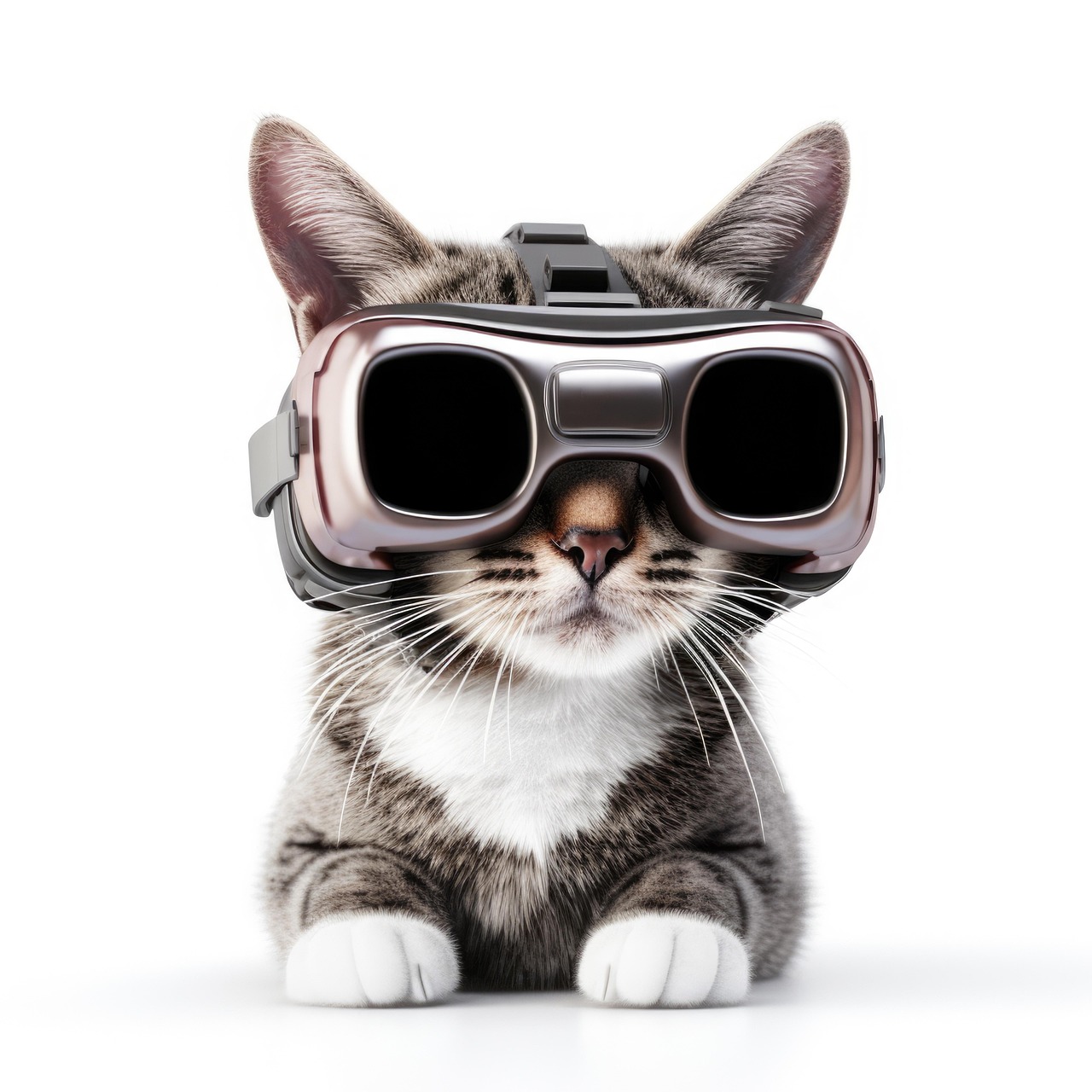
The future of virtual cat shows looks promising, with evolving evaluation methods shaping the competition landscape. As technology becomes more accessible, the incorporation of virtual reality could eventually change how assessments occur, offering immersive experiences for both judges and cat owners. Imagine judges being able to “interact” with cats in a virtual space, providing even deeper insights into behavioral traits. Furthermore, live polling during shows may offer real-time scoring feedback, engaging audiences and participants alike. This advancement makes virtual competitions more interactive and builds excitement while ensuring judges maintain their objectivity. Judging platforms may also develop standardized metrics to evaluate temperament across breed types consistently. Such innovations can introduce an unprecedented level of fairness, making evaluations transparent and public. Additionally, breeding and training practices may be influenced by newfound attention surrounding virtual shows, prompting owners to focus on what judges prioritize. More thorough evaluations can ultimately lead to higher standards within the cat breeding community. Engaging future developments in virtual show formats will likely encourage a broader audience, allowing more cat lovers to participate and support these unique competitions.
Conclusively, virtual cat shows encapsulate a blend of tradition and innovation, signaling an exciting period for feline competitions. Emphasizing behavior and temperament in these showcases has repositioned how judges evaluate cats. By utilizing advanced technology and facilitating community engagement, the experience elevates above traditional assessments. Judges not only gain insights into unique cat personalities but also foster bonds within the cat-loving community. Through collaboration and refinement of evaluation techniques, participants can better understand their pets and successfully present them in competitive platforms. Virtual shows are shaping the future of judging, refining how assessments are made and celebrated. With continuous evolution, they strengthen the integrity of such competitions while enhancing the overall experience for everyone involved. As more cat owners engage and contribute to these events, the future remains bright for virtual cat shows. This growth broadens the horizons of showcasing beloved pets, making it accessible and enjoyable for countless feline enthusiasts. The ultimate goal remains: to celebrate the beauty and uniqueness of every individual cat in a fun and engaging way that honors their natural behavior.