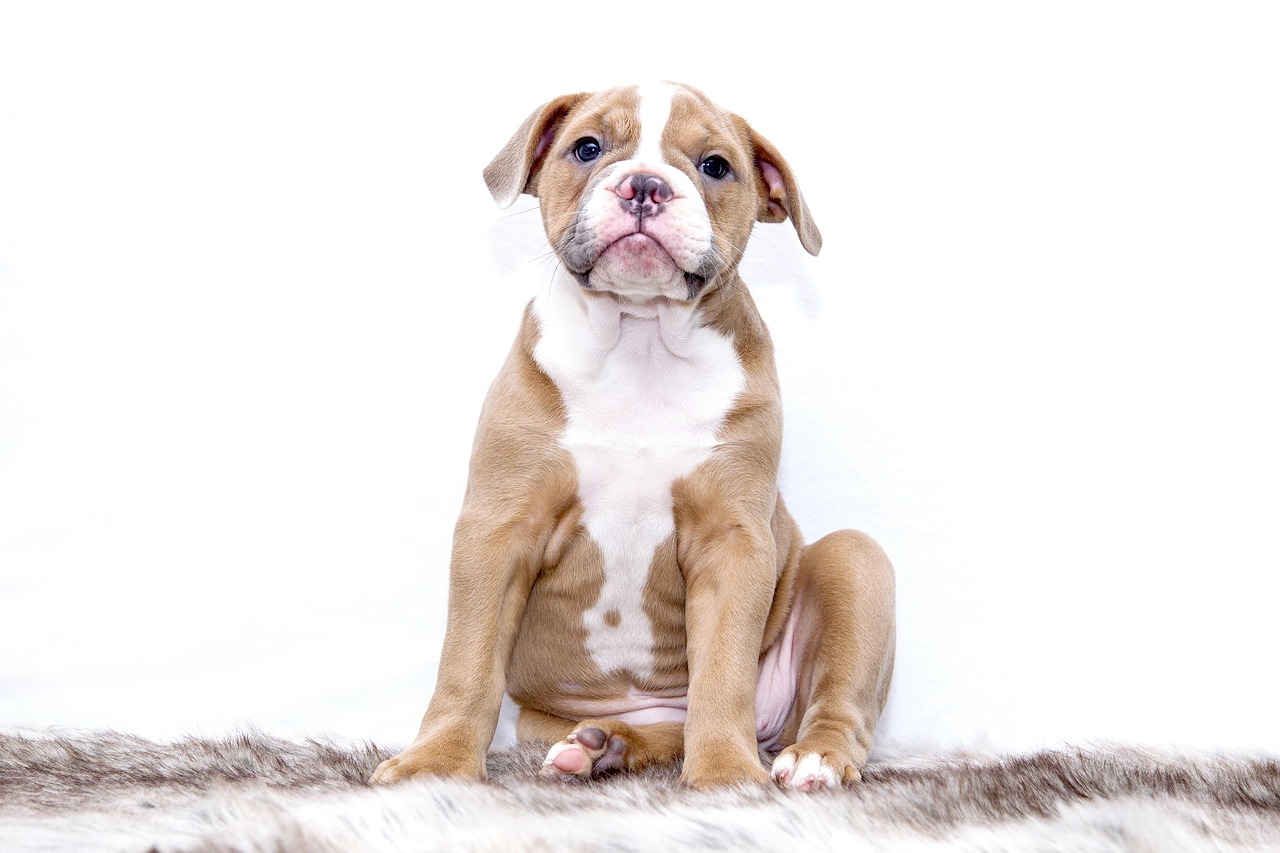

How to Manage Your Puppy’s Reaction to Vaccines
Vaccinations are crucial for your puppy’s health, protecting them from various diseases. However, puppies can experience side effects, which are often mild and transitory. As a responsible pet owner, it’s essential to observe your puppy closely for any unusual reactions after vaccination. Common symptoms may include lethargy, mild fever, or slight swelling at the injection site. These symptoms typically resolve within 24-48 hours. Knowing what to expect can help you keep your puppy comfortable during this time. Ensure that your puppy has a quiet, cozy space to rest, minimizing stress and anxiety. It is also vital to maintain hydration, providing fresh water at all times. If your puppy shows signs of distress or has severe reactions like difficulty breathing, contact your veterinarian immediately. Being prepared for these scenarios will help you respond swiftly and appropriately. Remember to keep track of vaccination records for future reference and to share them with your vet. Regular check-ups are essential to monitor your puppy’s overall health. Managing their recovery after vaccination plays a key role in ensuring their well-being.
Prior to your puppy receiving vaccinations, it’s helpful to discuss potential side effects with your veterinarian. Most side effects are minor, yet understanding their nature is important. Your vet can also guide you on what symptoms would necessitate a visit. Make note of any medications or pre-existing conditions that could exacerbate reactions. Take careful notes during your visit, writing down any specific instructions or observations about your puppy’s health. Some owners opt to stay in the waiting area for a little while post-vaccination to ensure that their puppy does not react adversely. If your puppy is known to be anxious, consider staying nearby to offer comfort during the procedure. Engaging in gentle play can also help distract them before and after their vaccinations. Make vaccination day a positive experience by incorporating a treat or toy as a reward. Tailoring your approach helps make future vaccinations less stressful. Be sure to check in with your veterinarian if you observe shakes, fever, or lack of appetite. Taking proactive steps ensures your puppy remains healthy and happy throughout this essential process.
Another factor in managing your puppy’s reaction to vaccines is understanding the importance of socialization during their early months. Although your puppy may feel tired or off after vaccinations, maintaining socialization is essential to their development. Continue introducing your puppy to new, friendly environments and other pets, ensuring each encounter is positive. Short and gentle interactions can help reduce behavioral issues later on. If your puppy is feeling low-energy post-vaccination, compile interactive toys to help entertain them while resting. Engage their attention with soft sounds and enticing scents. However, ensure playtime does not become overwhelming. Instead, weave it into their natural rest and relaxation routine. Gradually bring activity levels back to normal as your puppy’s energy returns. Keep a keen eye on their reactions during socialization moments. If your pup shows signs of distress or fear, take a step back and modify the experience. Positive reinforcement methods can help build their confidence and overcome fears associated with vaccinations. By aiding their socialization process responsibly, you prepare your puppy for a healthy future enriched by connections.
Recognizing Serious Reactions
While most vaccine side effects are minor and self-limiting, rare severe reactions can occur. Bodies can respond differently to vaccines, and being able to distinguish between common side effects and serious reactions is key. Serious reactions may include excessive vomiting, diarrhea, severe lethargy, or swelling around the muzzle or eyes. Anaphylaxis, an extreme allergic reaction, is less common but can be life-threatening if not treated promptly. It’s crucial to remain vigilant for these signs for at least a few days post-vaccination. Educate yourself on the symptoms that require immediate intervention, so you can act decisively if needed. Always keep your veterinarian’s contact information accessible, especially discussing emergency protocols if a serious reaction occurs. Regular communication with your vet ensures they’re aware of your puppy’s health history. Regularly checking for the latest guidance on vaccinations can also help inform you about any emerging signs to watch. Your proactive approach helps provide your puppy with a secure environment during this crucial time, naturally easing their transition into a safe and healthy life.
Home care post-vaccination involves making your puppy comfortable and monitored for changes. Create a designated area in your home where your puppy can relax and recuperate. Ensure that this space is quiet, dimly lit, and free from distractions. Providing comforting bedding and a few favorite toys can reinforce their sense of security. Close observation is essential; ensure you monitor their appetite, energy levels, and bathroom habits. If your puppy appears disinterested in food for a while, do not panic as this can be a common reaction. Instead, offer their favorite treats or food to encourage eating. Keeping them hydrated is equally important, so ensure they have access to fresh water. Being there for your puppy during this recovery phase strengthens your bond. Take time to gently pet or engage with them to show your support. A calm presence can reassure them through any discomfort they may experience. After a few days, most puppies bounce back to their lively selves, resuming their normal activities and playful antics which signify successful management of their vaccination side effects.
Follow-Up Care for Your Puppy
Follow-up care is equally important as the initial vaccination. Schedule a post-vaccination check-up with your veterinarian to evaluate your puppy’s response to the vaccine. This appointment allows for monitoring their growth, development, and health status, ensuring they are reacting appropriately to vaccinations. Your veterinarian may provide advice on preventive measures tailored to your puppy’s specific breed and health history. In addition, ask questions about any lingering concerns you may have. Keep an ongoing diary to document your puppy’s health journey, noting any changes witnessed since their vaccination. This can be beneficial during future visits as it provides your vet with a clearer understanding of your puppy’s health patterns. Also, keep in mind that regular vaccinations are essential in sustaining their immunity over time. Schedule reminders for upcoming vaccinations as recommended by your veterinarian to keep your puppy protected against infectious diseases. Enhanced awareness through follow-up care contributes to your puppy’s long-term health and prevents unforeseen issues from developing in the future, ensuring they lead a vibrant and active life.
Maintaining a healthy lifestyle post-vaccination is crucial to ensure your puppy’s well-being. A balanced diet rich in nutrients can aid their recovery and strengthen their immune response in the long run. Consult your veterinarian regarding dietary changes or supplements that might benefit their health after vaccinations. Regular exercise should also factor into your puppy’s routine once they recover. Start gradually, as it helps to build their stamina while avoiding overwhelming them after vaccination. Engaging in activities tailored to their energy levels is vital for fostering a positive experience. Social interactions can also be beneficial for their mental health, encouraging playtime with other friendly dogs. Be cautious during early socialization periods, especially after vaccinations—allow plenty of time for rest and adjustment. Adjusting your puppy’s environment to ensure comfort can facilitate recovery and a strong foundation for training. Additionally, consider ongoing obedience classes to help socialize your puppy further. Establishing routine vet visits alongside proper exercise and diet will promote a thriving, healthy lifestyle for your puppy. Ultimately, ensuring proper care creates lasting benefits for both you and your furry friend.