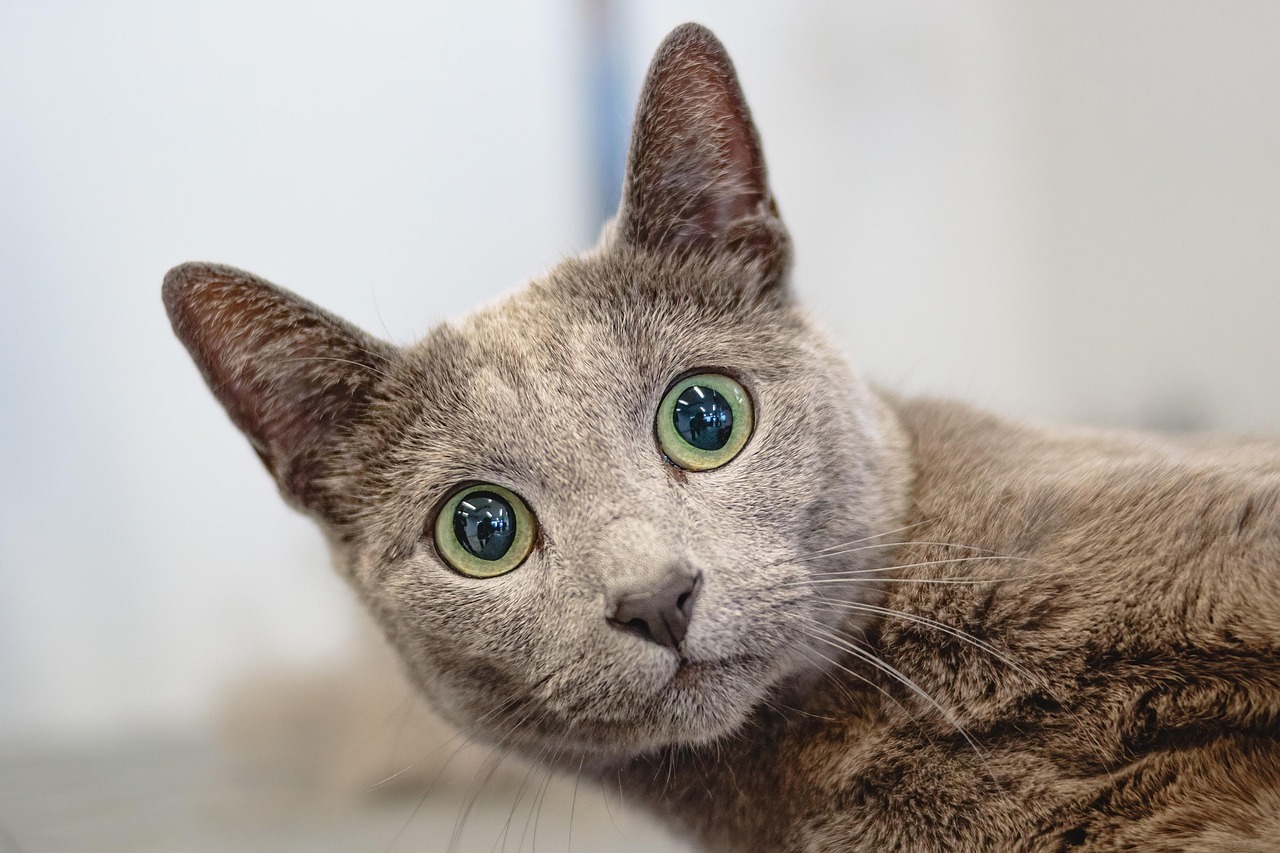

How to Train Your Cat to Enjoy Grooming Sessions
Grooming your cat is an essential part of maintaining their health and comfort. Most cats experience shedding, which requires owners to engage in regular grooming sessions to remove loose fur and prevent matting. However, many cat owners find that their pets resist this necessary activity, which makes it crucial to approach grooming sessions correctly. The goal is to help your cat associate grooming with positive experiences rather than stress or discomfort. In this discussion, we will explore several strategies to train your cat to appreciate grooming, making it an enjoyable routine for both of you. First, establish a calm environment before initiating any grooming by ensuring the space is quiet and free from distractions. This allows your cat to feel safe and secure, which are vital to a successful grooming session. Additionally, getting your cat used to being handled with love and patience will help to reduce any anxiety likely concerning grooming. Providing treats and praise during and after grooming can further reinforce positive behavior, creating a rewarding and enjoyable experience for your feline friend in the long run.
Understanding Your Cat’s Body Language
To successfully train your cat to enjoy grooming, it’s essential to understand their body language and signals. Cats communicate primarily through their physical behavior, including the position of their ears, tail, and their overall posture. A relaxed cat will exhibit certain indicators, such as a relaxed tail, slow blinking, or a calm demeanor when approached. Observing these signs helps you determine when your cat is comfortable and ready for grooming. Conversely, if your cat shows signs of agitation—like swatting, hissing, or a twitchy tail—it’s crucial to stop and allow them to calm down. Trying to force the grooming process can damage the trust you’ve built, making future attempts even more challenging. Instead, practice gently handling your cat over time during play or cuddle sessions to make them more accustomed to touch. Gradually desensitize them to a brush by letting them sniff it first and rewarding them with treats for calm behavior. Through patience and understanding, you can create a more comfortable grooming experience while minimizing anxiety for both you and your furry companion.
Introduce grooming tools to your cat gradually, allowing them to get familiar with each item before actual grooming begins. Start by letting your cat explore a soft brush or comb while you offer treats to associate this instrument with positive rewards. When your cat shows curiosity or interacts with the tools, encourage that behavior with praise and treats. The idea is to create a gentle and encouraging environment that promotes trust and comfort. Once your cat seems comfortable with the grooming tools, you can slowly start brushing in short sessions. Begin just for a minute or two, focusing on areas they enjoy being touched, like the back of their neck or behind the ears. Pay attention to their response during this initial brushing, and if they seem stressed, stop and try again later. The goal here is gradual desensitization; never rush the process, as this could create negative associations leading your cat to dislike grooming. After each session, reward your cat with their favorite treats and plenty of affection to reinforce the experience positively and make future grooming sessions something they will look forward to.
Establishing a Routine
Establishing a regular grooming routine can significantly contribute to your cat’s comfort and enjoyment during grooming sessions. Consistency is key—try to groom your cat at the same time each day or week and create a predictable pattern that your cat can anticipate without fear. Begin with scheduling short grooming sessions, as cats may take time to warm up to this new routine. As a general rule, try to never exceed five minutes during the early stages. If your cat begins to appear uncomfortable, cease grooming and try again later. Over time, you can gradually increase the duration of these sessions as they become familiar and more relaxed. Moreover, integrating grooming into your cat’s daily life can help turn it into a bonding activity rather than a chore. As you groom, talk to your cat softly, stroke them gently, and maintain a calm demeanor. This soothing interaction helps build trust, making it easier for your cat to accept grooming as a regular part of their care. With time and patience, your efforts combine to help your cat look forward to these sessions.
Another important aspect of making grooming enjoyable is using the right grooming tools tailored to your cat’s specific fur type. There are several types of brushes and combs available on the market, designed for various fur textures and lengths. For instance, if you have a long-haired cat, a slicker brush or a wide-toothed comb can be helpful. On the other hand, short-haired breeds may only need a rubber grooming mitt or a bristle brush. Selecting the appropriate tools ensures that your cat experiences comfort during grooming sessions, as the right tool will easily glide through their fur without pulling or snagging, reducing potential discomfort. Additionally, consider the ergonomics of the brushes; some brushes have soft grips making them easier to handle during grooming. It is worth investing in quality grooming tools to enhance your cat’s experience and make it easier for you as the owner. Consider consulting with your veterinarian or a professional groomer for recommendations on specific tools suitable for your cat’s grooming needs for the best results.
Building Positive Association with Treats
Incorporating treats into grooming can be a game-changer in changing your cat’s perspective towards grooming sessions. When your cat associates grooming with pleasant rewards, they are more likely to accept and even enjoy the experience. Begin by offering your cat their favorite treats before you start brushing, allowing them to connect the anticipation of treats with the grooming session. During grooming, consistently reward them with small treats and verbal praise for remaining calm and allowing you to groom them. This reinforcement makes grooming feel like a rewarding experience for your cat, as opposed to a chore they dread. Be careful to choose treats that are healthy and appealing so they truly motivate your cat’s engagement. Over time, as your cat becomes more comfortable with grooming, you can gradually reduce the frequency of the treats without losing the positive association. Always end each grooming session on a positive note, with cuddles or treats, ensuring that your cat walks away with a memorable and positive experience, so they are encouraged to approach the next grooming session willingly.
Finally, maintaining your own calm and patience is fundamental throughout the grooming process. Cats can easily pick up on their owner’s anxiety or frustration, which may lead to additional stress or resistance on their part. Always approach grooming with a relaxed and positive mindset, remembering that building your cat’s comfort and confidence takes time. If they become unruly during a session, it’s best to take a step back and stop for a moment to reassess the situation. Allow both of you to take a breather and return when you’re both ready again. A few deep breaths on your part or simply taking a break can go a long way. It’s essential to keep in mind that each cat is unique, and their comfort levels will vary greatly. Celebrate even small progress, and never punish or scold your cat if they misbehave during grooming. Instead, redirect their energy and focus on encouraging good behavior and reinforcing positive experiences, making future grooming sessions an anticipated and enjoyable time in your shared routine.