
Signs of Dental Problems in Dogs with Special Needs
Recognizing signs of dental problems in dogs with special needs is crucial for their overall health. These dogs may include those with disabilities or chronic health issues, making them more susceptible to dental problems. Regular veterinary check-ups are essential for assessing their dental health. Additionally, owners should keep an eye on their dog’s oral hygiene at home. Watch for behaviors such as difficulty eating or chewing, unexpected weight loss, or a change in eating habits. If your dog expresses discomfort while eating, it may be due to dental pain. Use your hands to gently feel around their mouths, checking for any swollen or bleeding gums. Look out for bad breath, which often indicates an underlying issue, such as periodontal disease. Proper dental care includes routine teeth brushing with dog-specific toothpaste. Regularly examining your dog’s teeth can help identify any plaque build-up or decay early on. If you notice any of these signs, consult your veterinarian as soon as possible to ensure your furry friend receives appropriate treatment. Being proactive will help maintain their quality of life and keep their teeth healthier.
Understanding the Risk Factors
Dogs with special needs are at an increased risk of developing dental issues due to their unique health profiles. Some breeds are predisposed to dental disease, while those with conditions like arthritis may struggle to maintain good hygiene. Their ability to chew effectively can affect their dental health significantly. Conditions like obesity can exacerbate dental problems, as they limit mobility and the ability to groom themselves. Medications for managing chronic illnesses might also lead to dry mouth, which contributes to plaque formation. Regular intake of dental chews specifically designed for dogs can assist in minimizing these risks. Owners should monitor their dog’s teeth, looking for signs of tartar accumulation or gum recession. Veterinary intervention can help establish a solid dental care routine. Professional cleanings may be necessary more frequently than in healthy dogs. Older dogs, too, will need more vigilance, as their risk of dental disease increases with age. Talk with a vet about the best preventive options, including diet modifications or specialized dental products. This proactive approach can lead to a healthier mouth and overall improved well-being.
Identifying specific behavioral changes in dogs can indicate potential dental problems. Watch for reluctance to eat or chew toys, as this can signify oral pain. Changes in grooming habits, such as decreased self-cleaning, may also point toward discomfort. Observe your dog for indications of distress during routine activities, including playtime or mealtime. Notice if your dog favors certain sides of their mouth while chewing or avoids using their teeth altogether. Excessive drooling or pawing at the mouth can be alarming behaviors that warrant immediate attention. If you see swelling around the gums or a noticeable change in the color of the gums, these are serious signs requiring urgent veterinary consultation. Additionally, watch for behavioral signs such as lethargy, which may accompany infection or severe pain. It’s essential to address these behaviors quickly, as they can lead to further complications. An early diagnosis will often provide a better prognosis for recovery, making awareness of these signs crucial. Maintain a good relationship with your vet, scheduling regular appointments to monitor dental health as part of your dog’s overall health maintenance strategy.
Importance of Regular Check-ups
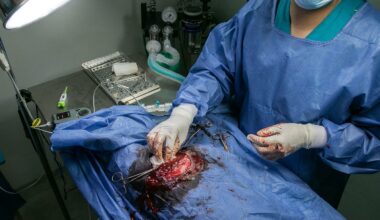
Regular veterinary check-ups are vital for assessing dental health in dogs with special needs. Each visit allows for thorough examination and appropriate cleaning to prevent serious issues. Your veterinarian is equipped to understand the nuances of your dog’s specific needs and adapt their care accordingly. An annual dental health assessment may not be sufficient for dogs with ongoing health concerns. These pets often require biannual exams to monitor and address emerging dental issues proactively. During these visits, a vet can check for plaque build-up, gum disease, and other oral health problems that may not be visible at home. They can also provide professional cleanings, which can significantly improve dental health and minimize future problems. Be sure to discuss any recent changes in your dog’s behavior or difficulties they’ve encountered when eating—these details help the vet determine an appropriate course of action. Investing in your dog’s dental care not only guarantees their comfort but also benefits their overall well-being. Good oral hygiene often correlates with general health, minimizing the risk of systemic illnesses, which is imperative for dogs with special needs.
Besides regular check-ups, proper home care is effective in preventing dental problems in dogs. Brushing your dog’s teeth can be a beneficial routine that supports oral hygiene. Ideally, introduce tooth brushing as early as possible; however, even older dogs can adapt with patience and positive reinforcement. Use dog-specific toothbrushes and toothpaste recommended by veterinarians, as human products can be harmful. Along with brushing, providing dental treats can help remove plaque and tartar naturally. Consider incorporating chew toys that promote dental health; their design often aids in cleaning teeth. Adjusting their diet to include dental formula food may also benefit your dog’s dental hygiene. Always ensure that fresh water is available, as dehydration can promote oral health issues. Moreover, consider the role of professional cleanings; these are essential for dogs with special needs to maintain healthy gums and teeth. Regular assessments allow for the early detection of any dental problems, ensuring timely intervention. Educate yourself on the importance of dental care specific to your dog’s breed and health condition to improve their quality of life and support long-term health.
Recognizing Pain and Discomfort
Understanding how dogs communicate pain is crucial for recognizing dental issues. Dogs may not express pain verbally, so observing their behavior becomes vital. Keep an eye out for changes in facial expressions, chewing motions, or vocalizations during potential discomfort. If your dog is favoring one side of their mouth or shows reluctance to open their mouth, these may be signs of dental pain. Additionally, you may notice a change in their enthusiasm for playtime or reluctance in engaging with family members, reflecting underlying issues. Some dogs might show aggression when touched around the face or mouth, indicating discomfort. Pay careful attention and document these behavioral changes, as they can guide your vet in diagnosis and treatment planning. Early intervention can be crucial for dogs that may not otherwise receive immediate attention for their dental health. For dogs already facing challenges due to their special needs, any additional discomfort can severely impact their quality of life. Therefore, being proactive in noticing these subtle signs may lead to early diagnosis and treatment, improving the overall well-being of your furry companion.
Another vital aspect of managing your dog’s dental health is understanding the predispositions of specific breeds. Some breeds are genetically prone to dental conditions, making awareness essential. Small breeds tend to have a higher likelihood of developing periodontal disease due to their dental structure. Their teeth may become crowded, leading to plaque accumulation. Conversely, larger breeds, while generally more robust, can also face dental issues stemming from misaligned bites or trauma. Familiarize yourself with the dental health challenges common to your dog’s breed. Also, consult with your veterinarian to develop tailored dental care strategies. Regular check-ups should include a dental health assessment specific to your dog’s breed or health status. Educating yourself about the dental concerns that could arise can equip you with the knowledge necessary to ensure that your dog receives the best possible care. Consistent communication with veterinary professionals will shed light on preventative measures that can best support your furry friend. Knowledge is power, especially when it comes to advocating for your dog’s health and ensuring they lead a comfortable life.
In conclusion, recognizing dental problems in dogs with special needs is crucial for their overall health and quality of life. Regular monitoring of dental health along with understanding behavioral signs can lead to early detection of issues. Ensure that you establish a good dental care routine at home, including brushing and providing appropriate chew toys. Emphasize the importance of regular veterinary check-ups, as they are essential for preventative care and early issue recognition. Individualized care plans should consider your dog’s unique needs based on their condition and breed. Stay informed about dental health, as education is key to preventing more severe complications down the line. Be vigilant regarding any changes in their behavior, especially around mealtime or during play, as these could indicate discomfort. Engage your veterinarian directly in discussions about your dog’s dental care and follow their recommendations closely. By being proactive and attentive, you will significantly contribute to your dog’s overall well-being. Focus on providing a pain-free and enjoyable life through vigilant dental care, ensuring your special needs dog remains healthy and happy for years to come.