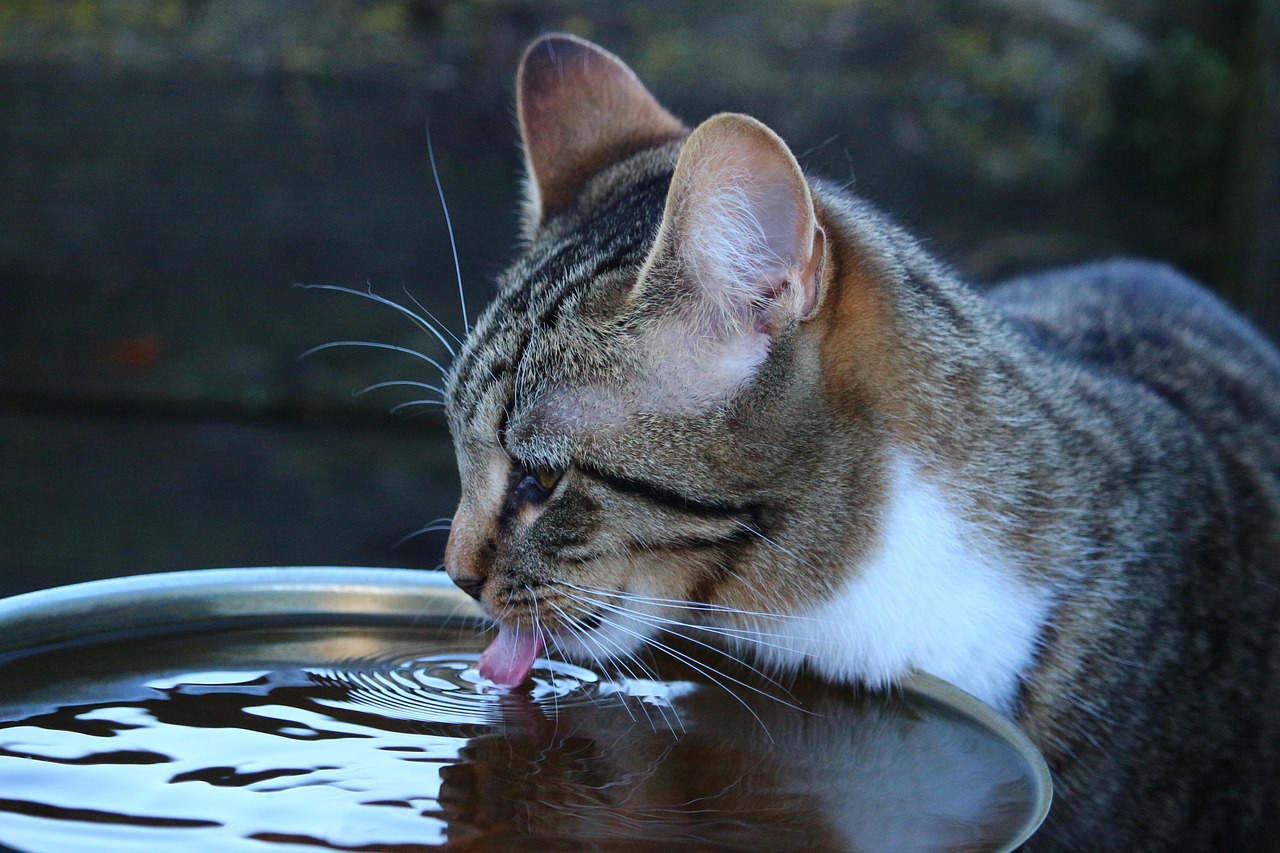

Success Stories: Overcoming a Cat’s Fear of Water
Many pet parents find themselves faced with the challenge of assisting their feline friends in dealing with their fear of water. Commonly observed in cats is a natural aversion to water stemming from their evolutionary traits. Fortunately, there are methodologies in place to successfully navigate this challenge. Engaging the cat in positive experiences can create memorable shifts in their perception. Start by introducing your cat to water using various tools such as shallow bowls or a damp sponge. This non-threatening approach allows your cat to assess the presence of water without overexposing them to potential fear triggers. When they show curious behaviors toward water, provide treats to reinforce their inquisitive nature. Furthermore, you should avoid forcing your cat into the water, as this can solidify their fear. Instead, utilize play techniques like water-based toys to illustrate positive elements surrounding water. As the comfort level increases, gently progress to deeper contexts with the aid of consistent praise and rewards, thereby cultivating an environment of trust. Remember, each cat is different, so patience is your ally as you embark on this journey together.
One technique that has gained traction among pet owners is the gradual acclimatization process. This method involves introducing water slowly into the cat’s environment, allowing them to become familiar with it over time. Placing a small dish of water in their play area can pique their interest. A key to success is to observe their body language closely. Is the cat tense or relaxed? Whenever they interact positively with water, include their favorite treats or even their favorite toy in the activity. Positive reinforcement not only motivates but can gradually change their disposition toward water. Another approach involves using a spray bottle, not as a punishment but a means of interaction. Allowing the cat to bat at droplets provides engagement and reduces stress. If they enjoy playing with the spray, they gradually associate water with fun. Additionally, getting your pet accustomed to bathing experiences can prove beneficial over time. Highly skilled parents have reported using small basins during bath time, making it more manageable for their furry buddies. Ultimately, approaching their fears with a gentle demeanor fosters readiness for each session.
Utilizing Play as a Learning Tool
Playtime can be one of the most rewarding ways to change a cat’s perception of water. Exploring activities that incorporate water-themed toys can stimulate interest and curiosity without imposing excessive pressure. For instance, using floating toys in a small pool or basin can be quite engaging. This not only entertains them but also allows them to view water as a source of entertainment. You may also find that toys that mimic preys, such as fish or birds, stimulate innate hunting behaviors in your cat. Including water attributes emphasizes play while subtly adjusting their perception. The success of this strategy hinges on ensuring that every encounter feels safe and enjoyable. After a play session, observe how your cat reacted to water. Were they more curious or hesitant? This can guide your next steps. Moreover, cats enjoy exploring new environments, so consider creating unique spaces where they can interact with baby pools or simple water features. As they grow more acquainted with water through playful means, you may find them progressing from mere observance to full participation.
Another essential method involves creating a calm environment during water exposure. Establishing a serene space helps alleviate anxiety for your cat. Dimming the lights or playing soft music can do wonders for their comfort level. Place a towel or a non-slip mat in the area to provide reassurance. When introducing water, remain calm and composed, radiating assurance. If anxiety arises, redirect their focus by engaging them with toys or treats. Such diversions can be pivotal in reducing fearful reactions. Additionally, consider your timing. Avoid introducing water after a stressful day or event; however, a peaceful home setting serves as an ideal backdrop. Cats are known for their routine, so regularly schedule water introduction sessions. This consistency ensures trust, allowing your feline friend to gradually adapt. Utilize scents that are familiar and comforting to your cat, as these elements promote a positive experience. Moreover, slowly increasing water exposure in terms of depth can prepare your cat for future interactions. Aiming for small victories each time fosters a sense of achievement, which can significantly enhance their state of mind toward water.
Celebrating Milestones as a Cat Parent
As you witness your cat’s progress in overcoming their water-related fears, it’s crucial to celebrate these milestones. Acknowledgment and encouragement can solidify their newfound comfort levels. Positive reinforcement should accompany each step forward, whether it’s a simple acknowledgment or a special treat. Cats love praise, and your enthusiasm boosts their confidence. Each time your cat exhibits a willingness to engage with water, be it splashing a paw or investigating a bowl, convey your excitement. This establishes a link between their actions and your happiness. Consider keeping a journal documenting progress and specific moments of courage your cat displays. Reflecting on past victories can inspire and motivate you both during challenging days. Additionally, sharing progress with fellow cat parents can also enhance your journey. Platforms such as social media or online forums provide support networks. They can offer tips or motivational stories that keep your spirits high. Creating a visual record, via photos or videos, also allows you to revisit the success moments with your cat. Celebrate not just the big victories, but small strides that contribute to their journey toward overcoming water challenges.
Moreover, seeking professional help can be a strategic choice if home methods yield limited results. Consulting with a veterinarian or professional animal behaviorist might open new avenues for addressing fears effectively. These experts can provide tailored strategies that align best with your cat’s personality. They can also rule out any underlying health issues that might contribute to their fear of water. Understanding your cat’s behavior through the lens of an expert can point you toward specific paths for improvement. Additionally, some owners find that group classes or socialization with other animals can lessen anxiety while introducing water experiences. These sessions allow your cat to observe other pets engaging positively with water. Cats are naturally curious and often inspire each other through observation. Be sure to see if group settings suit your pet’s temperament, as every cat reacts uniquely. Moreover, avoid introducing multiple changes simultaneously; instead, focus on implementing one new strategy at a time. Every small adjustment contributes positively to your pet’s journey, and your continued support remains paramount.
Conclusion: Patience is Key
In conclusion, helping a cat overcome their fear of water results in a fulfilling process that requires patience and dedication. Utilizing varied techniques such as gradual exposure, playful engagement, and providing a calming environment fosters adaptations over time. The variations in experiences are what enhance both the feline and feline parent interaction. Celebrating small successes reinforces trust and motivation, enabling your cat to progress at their own pace. Special emphasis should always be placed on observing their reactions to evaluate which methods resonate most positively with them. If home strategies do not yield desired effects, exploring professional insights can always serve as a valuable resource. Additionally, building a supportive community around your pet journey instills further motivation for both the cat and their caregiver. The road to overcoming fears may appear daunting at first, but it can undeniably strengthen the bond between you and your cat. As they navigate their fear of water, remember that each small step counts. With your loving support, your feline friend will gain the confidence needed for new adventures, ultimately embracing a more enriched life together.
In conclusion, helping a cat overcome their fear of water results in a fulfilling process that requires patience and dedication. Utilizing varied techniques such as gradual exposure, playful engagement, and providing a calming environment fosters adaptations over time. The variations in experiences are what enhance both the feline and feline parent interaction. Celebrating small successes reinforces trust and motivation, enabling your cat to progress at their own pace. Special emphasis should always be placed on observing their reactions to evaluate which methods resonate most positively with them. If home strategies do not yield desired effects, exploring professional insights can always serve as a valuable resource. Additionally, building a supportive community around your pet journey instills further motivation for both the cat and their caregiver. The road to overcoming fears may appear daunting at first, but it can undeniably strengthen the bond between you and your cat. As they navigate their fear of water, remember that each small step counts. With your loving support, your feline friend will gain the confidence needed for new adventures, ultimately embracing a more enriched life together.