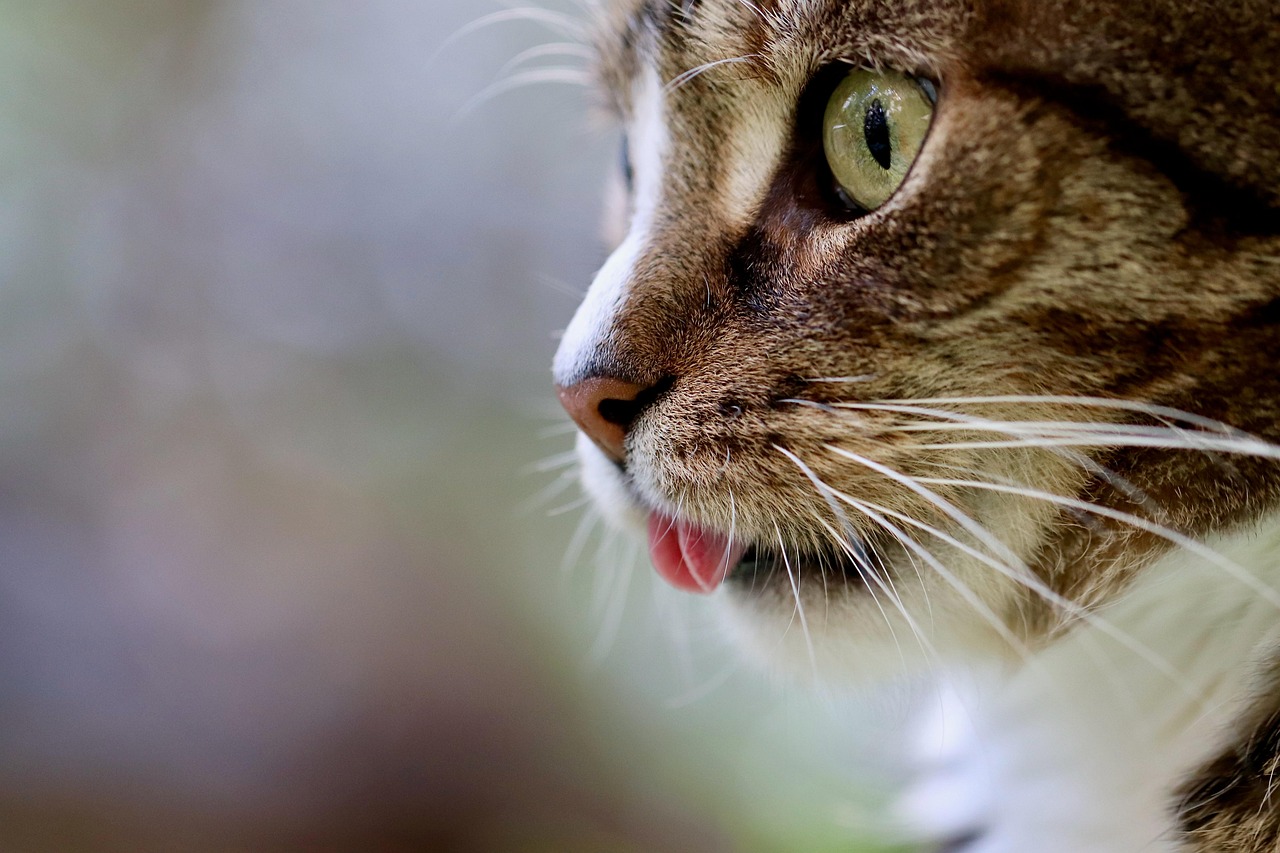

Traveling with Cats in Summer: Safety Tips
Traveling can be a thrilling experience, especially during summer when adventures seem to call out to us. However, if you’re a cat owner, it’s essential to prioritize your feline friend’s comfort and safety during journeys. Before hitting the road, ensure your cat is familiar with the carrier you’ll be using; this might mean letting them explore it beforehand. Preparing for the trip involves checking your vehicle’s conditions, making sure your cat has sufficient room and ventilation. Ensure your cat is microchipped or is wearing a collar with an ID as an added precaution in case they escape during stops. It’s also wise to schedule a visit to the vet before the journey, especially if you’ll be traveling long distances. Ask your veterinarian for advice on safe sedatives if your cat experiences motion sickness or severe anxiety. In hot weather, always keep the air conditioning on and never leave your pet in the car alone, no matter for how short the time may seem. Keep a bowl and fresh water accessible and ensure you stop frequently to let them stretch their legs.
Hydration is Crucial During Travel
Keeping your cat hydrated during the summer is vital for their overall health and safety. Cats can easily become dehydrated, especially when the temperature rises. When traveling, make sure to take along sufficient water for the journey. A portable water bowl can make it easier to hydrate your furry friend during breaks. Consider also packing some wet cat food, which can be a source of additional hydration. Always look for shady spots during stops to help keep your cat cool. Avoid feeding your cat directly before the journey as it can lead to motion sickness, but do provide small portions of food during stops. Monitor your cat closely for signs of dehydration, such as excessive panting or lethargy; if spotted, seek veterinary assistance immediately. In addition to water, consider using pet-safe ice packs in the carrier to help maintain a cooler environment. If your cat engages in excessive panting or appears restless, these could be indications of overheating. Getting your cat accustomed to travel at a young age can familiarize them with the car and reduce anxiety over time.
When planning your travel route, make sure to account for regular breaks. Long periods of confinement can stress your cat, leading to anxiety-related behaviors. Aim to stop every couple of hours to allow your cat to relieve themselves and stretch out. During breaks, keep your cat in a secure and shaded area away from high traffic zones, as this lessens the chances of them escaping. While it might be tempting to let your kitty roam freely in the fresh air, it’s essential to use a leash or a secure carrier for their safety. Utilize a harness for walking your cat; this not only provides security but also allows them to explore their surroundings safely. If your cat has specific toys or blankets that make them feel comfortable, consider bringing them along. Familiar scents can ease anxiety and help them feel more secure. On those longer trips, it’s also a good idea to have a travel first-aid kit for pets accessible. This kit should include any medications your cat may require and items like gauze, antiseptic wipes, and tweezers.
Choosing the Right Travel Carrier
Selecting the right carrier is critical for your cat’s comfort during travel. The carrier should be spacious enough for your feline to stand, sit, turn around, and lie down comfortably. Look for carriers that are well-ventilated, as proper airflow is essential, especially in hot weather. Additionally, choose a carrier that has a secure locking mechanism to ensure your cat cannot escape during transit. Soft-sided carriers can be beneficial as they are usually more flexible and fit well under airplane seats. Make sure it is padded with a cozy blanket or cushion; a familiar bedding can help soothe your pet’s nerves. Check if the carrier allows easy access for you to pet your cat and offer comfort during the trip. Familiarizing your cat with the carrier at home before travel can also help reduce anxiety and encourage them to feel safe. Consider carriers that are easy to clean in case of any accidents during travel. Bringing along a few of their favorite toys or scratching posts can also provide comfort during long trips.
When it comes to stopping for overnight stays, always choose pet-friendly accommodations. Many hotels have policies accommodating cats, but checking in advance can save you from unexpected issues. Ensure you have a secure and pet-friendly area for your cat once you arrive. Unpack their items and give them a space that feels familiar. Use litter boxes and food and water supplies from home, as this will familiarize them to their new surroundings. Avoid allowing your cat to roam freely in the hotel; monitor them closely to prevent any escape attempts. If you’ll be staying for an extended period, try to maintain your typical schedule, including feeding times and any playtime routines. Sticking to a routine can help alleviate anxiety, making your cat feel secure. Remember that changes in environment can affect their behavior, so be patient as they adjust during your travels. If your pet acts unusually reserved or anxious, monitor their behavior and provide them with reassurance throughout the stay. Using pheromone sprays may help calm your pet in new environments.
Identifying Hazards on the Road
Be mindful of potential hazards that can affect your cat’s safety while traveling in summer. Hot asphalt can burn your cat’s paw pads, so when walking them, always ensure you are on a cooler surface. Additionally, be aware of car temperatures; ensure proper ventilation within the vehicle. If you plan to bring your cat out during stops, ensure they are secured with a leash and harness to prevent them from running off or getting lost. Never leave your cat unattended in a vehicle, even for a short period. If your cat escapes, have strategies in place to safely coax them back. Keeping treats on hand can help lure them back, assisting when they feel anxious or scared. Avoid stopping near busy roads where accidents could happen. Ensure your cat is up-to-date on vaccinations; this is particularly important if you plan to visit pet-friendly parks or facilities. Keeping calm and collected can help ease your cat’s nerves during any sudden events. Thorough preparation beforehand will allow you both to enjoy the journey without unnecessary stress.
As you adapt to traveling with your cat during the summer, keep an eye out for changes in behavior. Some cats may exhibit stress, while others might seem curious and engaged. Encouraging positive experiences during travel can create lasting associations with new environments, reducing anxiety over time. Be sure to reward your cat with treats or praise during their calm moments. You may want to try new forms of entertainment, such as toys or even catnip to keep them occupied and distracted. If your cat becomes increasingly anxious or fearful, it’s essential to stop and offer comfort. Their comfort should always be the priority during travel; if it becomes too distressing for them, consider adjusting travel plans or frequencies. Making the experience as enjoyable as possible for your feline friend will lead to better behavior and increased excitement to travel in the future. Summertime offers unique opportunities for adventures and exploring with your pet; learning how to make it manageable and enjoyable is key. Follow these tips to ensure a memorable and enjoyable summer travel experience with your feline friend.
In conclusion, traveling with your cat during the summer requires careful planning and attention to safety. Evaluate your travel routes and accommodations, and ensure you prioritize hydration, comfort, and security for your furry friend. When you take the time to prepare and consider your cat’s needs, you can create a positive experience. Frequent stops allow them to stretch, play, and relieve themselves safely. A reliable travel carrier, accessible water and snacks, and monitoring their health closely will lead to safer travels. Be attentive not only to their physical comfort but also to their emotional well-being throughout the trip. By employing these safety tips and continuously assessing your cat’s condition, you can minimize the stress related to travel, ensuring your cat feels secure. Encourage your cat with positive reinforcement, enabling them to feel more comfortable during travel, leading to better experiences. Embrace the adventures and give your feline friend the attention they deserve. Summer travel can be wonderful and rewarding, building cherished memories for both you and your beloved cat. So pack your bags, buckle up your cherished pet, and hit the road for an unforgettable journey.