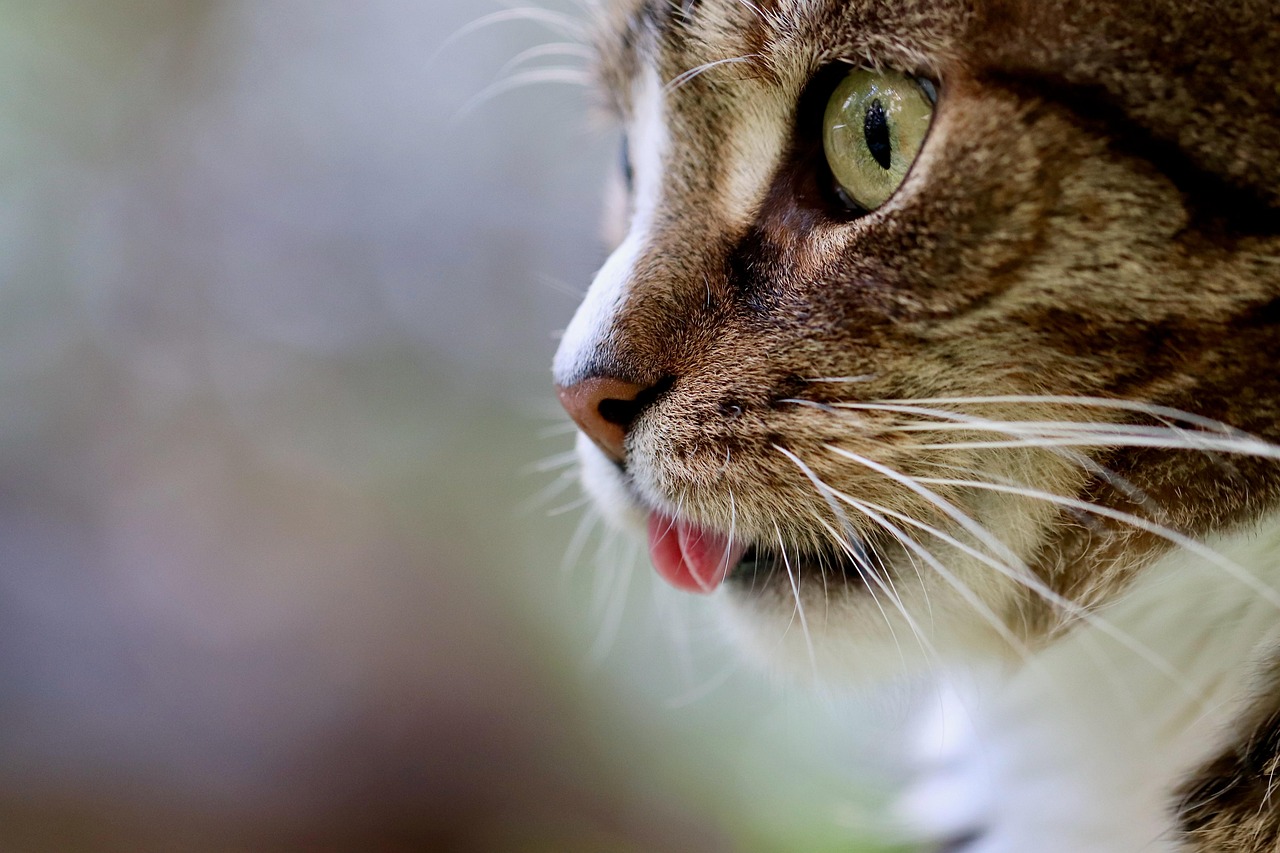

Acclimating Indoor Cats to Travel Environments
Preparing your indoor cat for travel is crucial for a stress-free experience. The process begins by introducing them to various travel environments gradually. Start by getting them accustomed to their carrier as a safe space. Place their favorite blanket or toy inside to encourage positive associations. Leave the carrier open in the house, allowing your cat to explore it at their leisure. During this acclimatization period, familiarize them with the sounds and motions associated with travel. Take short trips in the car to help them adapt to the movements and noises they’ll encounter during longer journeys. Monitor their reactions closely to identify any signs of anxiety. If your cat seems distressed, offer calming treats or engaging toys. Create a routine around these travel practices. Familiarity breeds comfort, and routine provides consistency in their lives. It’s important to be patient while training; each cat adapts differently. The ultimate goal is to ensure your four-legged friend feels safe and secure in a travel setting. By introducing these methods, you can create a positive travel experience for both you and your feline companion, making future trips enjoyable and less traumatic for your pet.
Another key component of acclimating your cat to travel is to make the environment comfortable. This involves choosing the right travel carrier that is well-ventilated, spacious, and secure. Look for carriers that comply with airline regulations if you intend to travel by air. Prior to your trip, allow your cat to explore the carrier in a calm setting. This helps reduce their anxiety about being confined during travel. Additionally, consider using calming sprays or pheromone diffusers designed for cats. These products can help soothe your pet during stressful moments. Always have a familiar comfort item, such as their favorite blanket or toy, within reach. This can act as a familiar reference point in an unfamiliar place. During travel, ensure your cat has adequate breaks for hydration and bathroom needs. Bring along portable food and water bowls to keep your cat comfortable. If traveling by car, plan for regular stops to allow your cat to stretch their legs in a secure environment. Monitoring your cat’s behavior throughout the trip will help you address any issues that arise. Careful attention to these details ensures a more harmonious travel experience for your beloved feline companion.
Introducing Your Cat to the Travel Carrier
Establishing a positive association with the travel carrier can be paramount. Begin by leaving the carrier open and accessible in your home. Allow your cat to investigate it at their pace without any pressure. To encourage exploration, place some treats or meals in and around the carrier. This draws them in and helps them associate the carrier with something pleasant. Gradually, start closing the door while your cat is inside for short periods, allowing them to become accustomed to being confined. Gradually increase these durations as they become comfortable. For a smoother transition, consider taking them for short car rides. This will start the process of connecting travel with positive experiences. Use calming words to reassure your cat, and sound a gentle tone to ease their anxiety. Avoid forcing them into the carrier; patience is essential. On days leading up to your travel, set aside time for play. This can decrease energy levels and help them find comfort. Preparing your indoor cat for travel requires a mix of love, patience, and structured acclimatization techniques. By following these steps, you help create a relaxed and comfortable travel experience.
Another effective technique to acclimate your indoor cat is to practice crate training. Start by involving the crate into their regular daily routine. Allow your cat to use it as a resting area or a play space in your home. You can also try feeding your cat inside the crate during mealtime to enhance their comfort level. This not only avails a safe space but also promotes positive reinforcement for your cat. Regular exposure will make the travel carrier feel less intimidating. For long journeys, discuss potential confinement solutions with your veterinarian to ensure your cat remains comfortable for extended periods. Clicker training can also be beneficial. Use this method to reinforce good behavior with treats. Teaching your cat cues that encourage calmness can aid during the transport phase. Importantly, never scold your cat if they vocalize their discomfort, instead offer them reassurance. Frequent gentle interactions can foster feelings of safety and comfort. Consulting a cat behaviorist may also yield specialized techniques tailored for your cat’s unique personality. Fostering confidence in your indoor feline can lead to numerous adventures we would both cherish and enjoy together.
Gradual Exposure to Travel Scenarios
Gradual exposure is essential for acclimating cats to various travel scenarios. Start by introducing your cat to more dynamic environments than their typical indoor setting. Visit pet-friendly places while keeping the trips brief to avoid overwhelming your feline friend. Use these outings to monitor how they respond; lay the groundwork for longer excursions. Introducing your cat to sounds typical in travel, like the noise of car engines or public transportation can also help desensitize them. A well-socialized cat is more likely to remain calm while traveling. Create stimulating experiences that reward exploration in new environments. Consider engaging with interactive toys to prompt curiosity and discourage unwanted behavior. Remember, the goal is to make travel feel like a fun adventure rather than a source of anxiety. Familiarizing your cat with different terrains can also reduce anxiety when traveling. Short walks outside, in safe areas, allow your cat to encounter new sights and sounds. This builds their confidence. Ultimately, patiently supporting their encounters with diverse environments prepares them for increased travel ambitions. By consistently exposing your cat to various travel experiences, you can promote healthier habits and increased comfort levels over time.
Once your cat has had some exposure to travel conditions, it’s time to practice longer trips. Incorporate short getaways that simulate the kind of trip you’re about to take. Engage your cat by packing their travel essentials, like food, water, and familiar toys. Offering familiar items ensures they experience their comfort during potentially stressful situations. Prioritize breaks; stopping frequently allows them to rest and explore their surroundings while engaging in the new environment. The quality of interaction is essential during these breaks. Allow time for socialization with other pets and humans, but monitor their comfort and reactions closely. If your cat shows signs of stress, it’s essential to retreat rather than push them to interact. Always ensure their travel crate remains a safe haven. Reinforce positive interactions with calming voices and treats amid new experiences. It’s a journey, not a sprint. Use positive reinforcement to build confidence, letting them know they’ve done well with each positive encounter. By consciously creating enjoyable travel experiences, you can significantly influence your cat’s willingness to engage in future adventures and reduce anxiety when traveling with them.
Building a Routine for Stress-Free Travels
Establishing a travel routine is fundamental for making trips smoother. Cats thrive on routines, and introducing a consistent framework can minimize anxiety during travel. Start with a recognizable daily pattern that they can get used to before your travels. Include stress-reducing measures like designated feeding schedules and playtime. Optimal feeding times prior to long travels can also help keep their energy levels balanced without excessive anxiety. Adapt your routine during the days leading up to your trip, gradually familiarizing your cat with behaviors associated with travel. The earlier you prepare them, the more comfortable they will feel as you start moving around. Maintain the rhythm during travel as well; offer familiar snacks and play items. Observe changes in behavior or anxiety levels closely. Tailor your routine to meet their unique needs, as every cat’s threshold for travel stress varies. Schedule regular check-ins to ensure your cat is comfortable, engaging them with prettified surroundings or textures they recognize. This allows them to experience moments of solace amid chaos. By setting up beneficial routines, you enhance confidence, comfort, and overall well-being, contributing significantly to a positive travel experience for both you and your beloved feline.
Lastly, embracing the importance of a calm environment during travel cannot be understated. Choosing the right time to travel is essential. Avoid peak travel seasons to limit disruptions. If flying, aim for direct flights when possible. Bring necessary supplies that can enhance your cat’s comfort, like toys, food, and normal routines. Calming music can also provide a soothing atmosphere. Being mindful of temperature changes is vital; ensure the travel environment remains consistent and optimal for your cat. Keep their carrier covered with a light blanket to limit exposure to excessive stimuli throughout the journey. Frequent touchpoints throughout the travel can provide reassurance. Speak softly to your cat and pet them gently, signaling safety and security. Familiar sounds and scents can drive comfort during transit. Once you arrive at your destination, allow your cat adequate time to acclimatize to the new environment. This helps in reducing post-travel stress. Remain aware of your surroundings and engage with them gently. Ultimately, successfully acclimating your indoor cat to travel requires patience, consistency, and attentive love, ultimately leading to adventures you can share together in harmony.