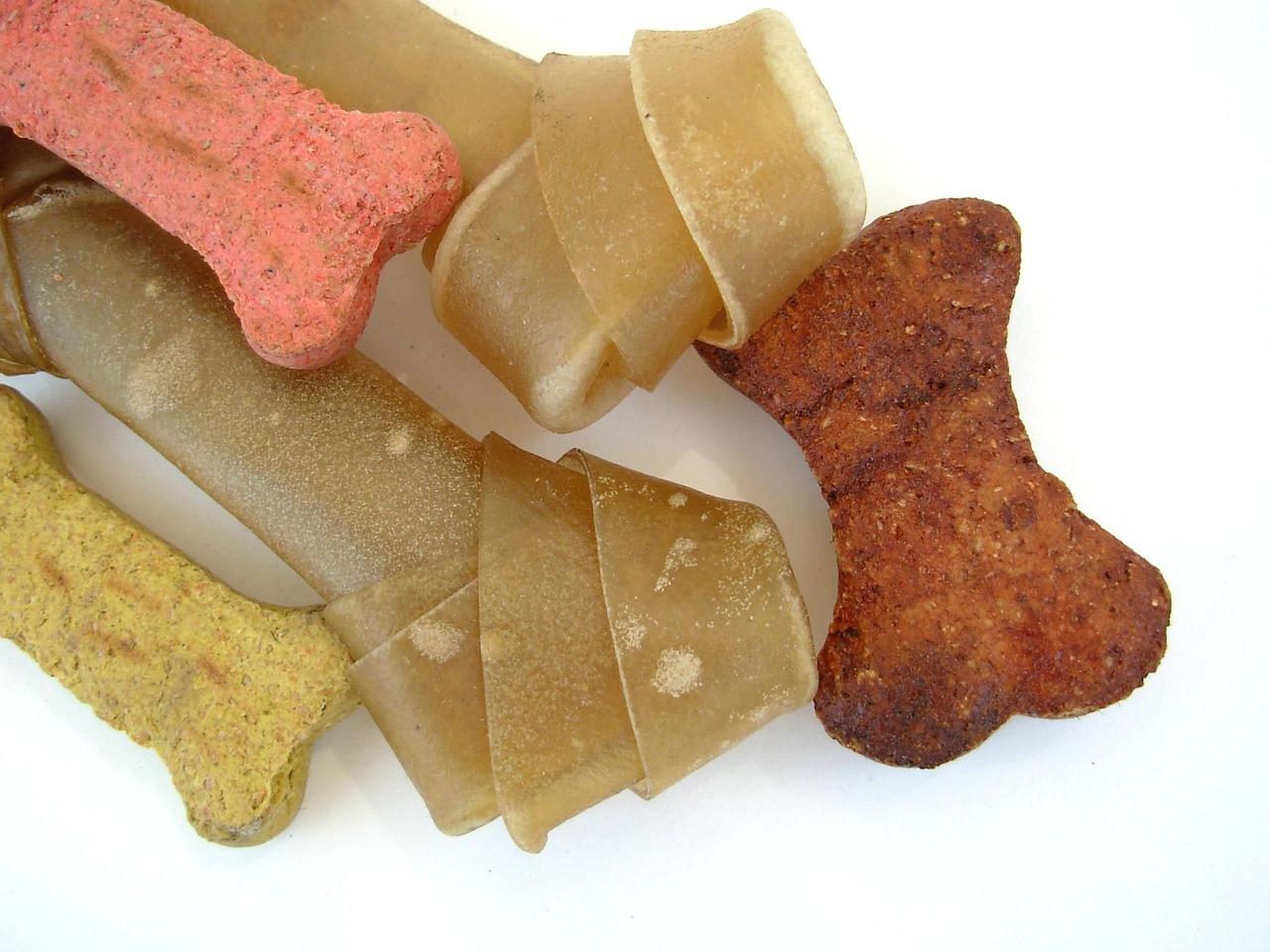

Chew Toys vs. Bones: Which Is Safer for Your Dog?
Choosing the right chew toy or bone for your dog can hold significant importance. It’s vital to understand how each of these options affects your dog’s health and safety, as well as how they fulfill your furry friend’s natural chewing instincts. Many pet parents wonder whether their beloved pooch prefers chew toys over raw bones. Their decisions generally come down to safety and durability. Chew toys are designed to withstand the force of a dog’s bite, while bones can splinter and pose choking hazards, leading to serious health concerns. A quality chew toy can provide dental benefits, such as cleaning teeth and preventing plaque buildup. Furthermore, they are available in various shapes, sizes, and materials, catering to your dog’s unique chewing preferences. Raw bones, on the other hand, can bring enjoyment but necessitate close supervision during use. There is an undeniable appeal to both choices, but understanding the differences can equip you with the best options for keeping your pup happy and healthy during playtime. Let’s dig deeper into the specific advantages and disadvantages of each to determine which option is truly safer.
Benefits of Chew Toys
Chew toys come with a multitude of benefits for your canine companion. Firstly, they promote healthy chewing habits without the risk of splintering, which can happen with bones. A variety of durable materials in chew toys can provide a satisfying texture for dogs, helping to prevent boredom. Additionally, they encourage positive behaviors by keeping your dog occupied and mentally stimulated. Certain textures also clean your dog’s teeth naturally, reducing plaque and tartar buildup while promoting gum health. Furthermore, chew toys can serve various purposes, such as getting your dog’s energy out through play, assisting in training, or even acting as a comfort object. For some dogs, they may also help alleviate anxiety, especially when left alone. Opting for toys made from safe materials can ensure your dog’s safety. Brands often highlight non-toxic options as well as extensive testing for durability and safety. This option allows you to choose based on your dog’s chewing strength and preferences, ensuring a satisfying experience. Investing in high-quality chew toys benefits not just your dog but also promotes a healthier lifestyle.
On the contrary, while raw bones may provide certain enticing flavors and textures that dogs love, they come with some significant risks that pet owners must be mindful of. First, bones can easily splinter. That splintering can lead to severe internal injuries. Dogs may chew off larger pieces that can get lodged in their throat or intestines, creating choking hazards and requiring emergency veterinary intervention. Many veterinarians caution against giving dogs cooked bones, as they are more brittle and tend to splinter more easily when bitten. If you are leaning towards providing raw bones, ensure you consult your veterinarian about the safest options. If chosen appropriately, raw bones can have certain benefits, including nourishing your dog’s diet with essential nutrients and minerals. However, vet recommendations suggest limiting bone use to avoid excessive consumption that can lead to digestive issues. Always supervise your dog when they have access to bones and closely watch for any signs of trouble. It is imperative to balance your dog’s enjoyment of chewing with safety concerns that come with this treat option.
Choosing a Safe Chew Toy
When selecting a chew toy for your dog, it’s essential to consider several factors that prioritize safety. Start by assessing your dog’s size, age, and chewing habits. Large breeds typically require sturdy, heavy-duty toys that can endure aggressive chewing. Smaller breeds, on the other hand, might prefer softer, lighter options that are still durable. Look for products labeled as ‘non-toxic’ and features materials designed specifically for chewing. Additionally, consider toys that offer varying textures to satisfy different preferences, as dogs often find enjoyment in different levels of resistance while chewing. Always evaluate the toy for any potentially harmful components or small parts that could pose choking hazards. Furthermore, read reviews and seek recommendations to learn which brands have a reputation for safety and quality. Many pet owners swear by specific brands, often backed by positive testimonials. Ultimately, the right chew toy can help maintain your dog’s dental health, keep them entertained, and prevent them from chewing on household items that may pose a risk like furniture or shoes. Ensure your selections align with your dog’s needs and preferences, building a safer playtime environment for everyone involved.
Additionally, monitoring your dog’s interaction with chew toys is just as crucial as the initial selection process. Always observe how your dog plays with their toys to identify any signs of wear and tear. Chew toys can deteriorate over time, and pieces may become detached or worn down, leading to potential hazards if ingested. Regular inspection will allow you to decide when it’s time to replace a toy, ensuring your dog remains safe during playtime. If you notice any small pieces breaking off or odd noises while your dog chews, it’s best to remove the toy and find a safer alternative. Although some dogs might love plush toys, they can often be torn apart quickly, presenting more risk factors due to potential ingestion of fabric and stuffing. In contrast, more robust rubber toys usually stand the test of tougher play while remaining safe. Moreover, interactive toys that dispense treats can also serve as rewarding enrichment activities that discourage destructive behaviors. Discover which types of toys excite and engage your dog, tailoring your approach in keeping their play with chew items both fun and as safe as possible.
Understanding Bone Risks
While dogs often enjoy gnawing on bones, understanding the potential risks associated with their consumption can help guardians make informed decisions. Raw bones can harbor bacteria like Salmonella or E. Coli, which presents a risk not only to dogs but also to humans. Proper handling and storage of raw bones are critical to mitigating these risks. Always wash your hands after handling any raw bone, and ensure they are kept refrigerated until feeding time. Cooking bones only increases safety concerns, as cooking alters bone structure, making them more brittle and likely to splinter. For dog owners who choose to offer bones, it’s advisable to limit their frequency or to serve them only under supervision. Consider opting for professionally prepared bone chews that adhere to regulations to mitigate risks. Consulting your veterinarian can also provide tailored advice on bone choices that fit your dog’s health requirements. Awareness ensures pet owners nurture their furry companions with safe practices while still offering them the joy of chewing. Risks associated with bones require diligence, but understanding how to safely integrate bone chews can add variety to your dog’s chewing routine.
In summary, both chew toys and bones have their benefits and risks, leaving pet owners to carefully evaluate their choices. Chew toys provide safety, dental hygiene, and mental stimulation, while bones can present risks that necessitate close supervision. To ensure your furry friend’s enjoyment remains safe, comprehensive understanding is critical. Prioritize selecting options that fit your dog’s size, chewing tendencies, and preferences, and never hesitate to consult a veterinarian for personalized advice. Various alternatives exist in the market, including synthetic bones designed to provide both flavorsome chewing and safety features, combining the best elements of both worlds. Ultimately, whether you opt for chew toys or bones, encouraging healthy chewing habits will lead to a happier, healthier dog. Prioritizing your dog’s overall well-being involves ongoing attention to chew items. Regular monitoring, timely replacements, and informed selections are all instrumental in extending enjoyable and safe chewing times for your dog. By considering your options wisely, you enhance your dog’s quality of life and joy during play. Choose safe habits for you and your dog, fostering a loving environment.