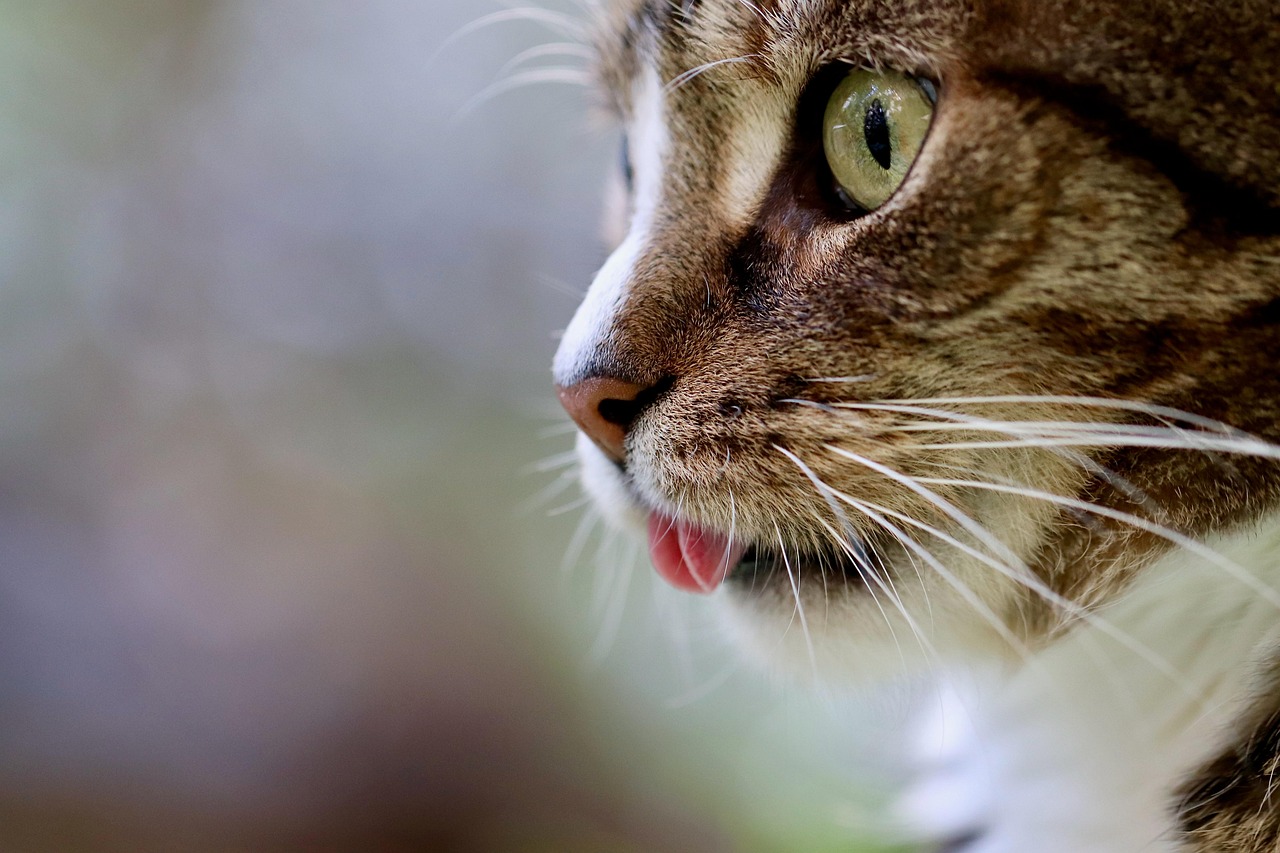

How Allergies Can Lead to Choking in Cats
Cats can experience various allergic reactions that may lead to choking sensations, a critical situation for any pet owner. Common allergens include pollen, dust, and certain foods, which may cause swelling in a cat’s throat. This swelling can restrict airflow and lead to choking incidences. Signs of choking can vary but often include gagging, coughing, excessive drooling, and distress. Owners should monitor their cat closely for any of these symptoms, especially after exposure to known allergens. However, observing your cat in discomfort is essential to differentiate between choking and other respiratory issues. If a cat suddenly begins to panic or paw at its mouth, immediate action is required. Yet, if the cat stops showing distress suddenly, it may already be in a critical situation. Consulting with a veterinarian can provide clarity on whether your cat’s choking is due to an allergic reaction or other health issues. Knowing your cat’s allergies can prevent choking incidents and ensure your feline’s health and safety. Regular veterinary check-ups are essential for understanding your pet’s health and possible allergies. Never hesitate to seek prompt medical help if your cat shows signs of distress.
In addition to environmental allergens, certain food allergies can trigger choking episodes in cats. Cats, like many animals, can develop allergies to specific proteins or additives in their food. When consumed, these allergens can cause gastrointestinal upset and discomfort. This can subsequently lead to symptoms that may include vomiting, gagging, or even difficulty breathing. A food allergy can thus complicate a cat’s response to choking as they may experience swelling in their throat. It is important to recognize the signs of food allergies, which may include itching, excessive scratching, or frequent hair loss. An elimination diet, guided by a veterinarian, can help discover the specific triggers. If a cat is diagnosed with a food allergy, avoiding even small amounts of the trigger food is crucial. Always read labels carefully and consider hypoallergenic diets to ensure safety. Additionally, observe how your cat interacts with new foods to catch any possible adverse reactions early. The importance of understanding your cat’s dietary restrictions cannot be overstated. Sudden changes in behavior related to food can suggest an underlying allergy, potentially leading to choking situations.
Monitoring your cat for allergies is crucial in preventing choking instances. Regularly check for any signs of environmental or food sensitivities, and maintain a record of your observations. This can assist your veterinarian greatly in identifying patterns and potential allergens affecting your cat. Understanding different types of allergies can help make the right dietary choices and minimize exposure to allergens. Conducting allergy tests, either through a veterinarian or at home, may also shed light on specific triggers. Home testing can involve checking various common allergens like new foods or plants your cat interacts with. This way, you can modify their environment to ensure their safety. Furthermore, keep your home clean by reducing dust and utilizing air filters to help alleviate allergy symptoms. Regularly bathe your cat to remove allergens from their fur, lessening the risk of them inhaling irritants. Another preventive measure includes ensuring that your cat does not access areas where pollen or mold accumulates. Understanding how to create an allergy-free environment is a key component of cat ownership and protection against choking.
Immediate Choking Response Guidelines
When encountering a choking incident, immediate action can be lifesaving for your cat. First, stay calm and assess the situation to determine if your cat truly is choking. If they are in distress and making choking noises, check their mouth for any visible obstructions. If visible, carefully attempt to remove it, but never stick your fingers blindly into a cat’s throat as this may cause further injury. If you cannot see anything, perform the Heimlich maneuver designed for cats, which involves a series of firm thrusts aimed just below the rib cage. This can help dislodge any obstruction blocking airflow. After performing these measures, immediately take your cat to a veterinary clinic, as there might be internal damage even if they appear to have cleared their throat. It’s essential always to have emergency veterinary contact information readily available. Preplanning for choking scenarios ensures you’re prepared in an emergency. Training family members on basic first aid procedures for choking can augment preparedness for your cat’s safety and well-being. Reducing anxiety during accessing emergencies can greatly affect the outcome.
In addition to immediate response, regular preventive care can help mitigate choking risks related to allergies. Ensuring your cat has the right diet, avoiding allergens, and maintaining overall health are key. Regular vet visits are crucial for monitoring your cat’s well-being, particularly if they have a known history of allergies or choking episodes. Vaccinations and proper grooming can also reduce the opportunity for allergic reactions. Monitoring grooming schedules can reduce the volume of allergens present on your cat’s fur. A healthy immune system can help a cat better handle potential allergens, so proper nutrition is vital. Keep in touch with your veterinarian regarding dietary changes, as they can help recommend the best products for your cat’s needs. Additionally, understand that changes may be necessary if your cat ages or if health conditions develop over time. As a cat owner, you play a crucial role in monitoring your cat’s diet and environment for changes. Mayor health changes can lead to increased risk for choking incidents. Educating yourself about potential allergens, both environmental and dietary, can facilitate a proactive approach to your cat’s health.
Long-term Strategies for Cat Allergy Management
Managing allergies in cats effectively involves long-term strategies to reduce exposure and risks, particularly regarding choking. One essential strategy is implementing an allergy-proof diet, consisting of high-quality, hypoallergenic cat food. Consult your veterinarian to pinpoint which ingredients may trigger reactions and establish a diet plan tailored to your feline’s needs. It’s important to maintain consistency in feeding practices, minimizing introduction of new foods without vet guidance. As seasonal allergies persist in many environments, keeping your cat indoors during high pollen seasons can prevent exposure. Additionally, creating a clean living space by using HEPA filters can significantly minimize airborne allergens. Regularly checking and cleaning your cat’s bedding and toys is also beneficial. Consider providing options for itch relief that promote healthy skin, as irritation can often exacerbate allergic reactions. Frequent baths, without overdoing them, can help alleviate skin irritation that might lead to throat swelling. Ultimately, forming a complete management plan that includes diet, environment, and hygiene can greatly enhance your cat’s quality of life and lower choking risks. The importance cannot be overstated; being vigilant and proactive is your best defense.
In conclusion, understanding how allergies can lead to choking in cats is vital for all cat owners. Recognizing early signs and symptoms, implementing preventive measures, and knowing how to react in emergencies can significantly increase your cat’s safety. Develop a communication path with your veterinarian and educate yourself on allergies that could affect your cat’s life. Regular check-ups helps detect allergies that can later manifest in choking or other severe symptoms. Furthermore, maintaining a safe environment and understanding your cat’s food sensitivities are crucial steps in minimizing risks. Remember that your observations matter, so keep a journal of changes you see in your cat’s behavior, diet, and environment, as it aids veterinary assessments. Ultimately, being aware and proactive can save your cat from dangerous choking situations and enhance its overall health. Don’t hesitate to share any notable changes with a veterinary professional, ensuring you give your pet the best chance at a healthy life free from unnecessary accidents. By taking these precautions and understanding the underlying issues, you can help your beloved feline live a longer and healthier life.
Images also play an important role in understanding these concepts visually. When looking for relevant images, search for terms such as “cat allergies” or “cat first aid” that illustrate symptoms or preventive measures effectively. Visual guides can be especially useful in quickly identifying the signs and in emergency responses. Always be prepared with visuals that complement your reading and research, as they enhance your learning experience. Ensuring you have your resources at hand, including images and diagrams, can facilitate better understanding and recall in case of emergencies. Being proactive in learning and preparing allows for more effective and immediate action when your cat experiences distress due to choking, elevated by allergic reactions or other issues. So, gather visuals that can serve as aids in education regarding feline health and safety. Engaging educational content in various formats will provide a deeper understanding and readiness for any allergic concerns and choking susceptibilities. When it comes to pet first aid, visual resources cannot be overstated while planning for possible situations with your cat.