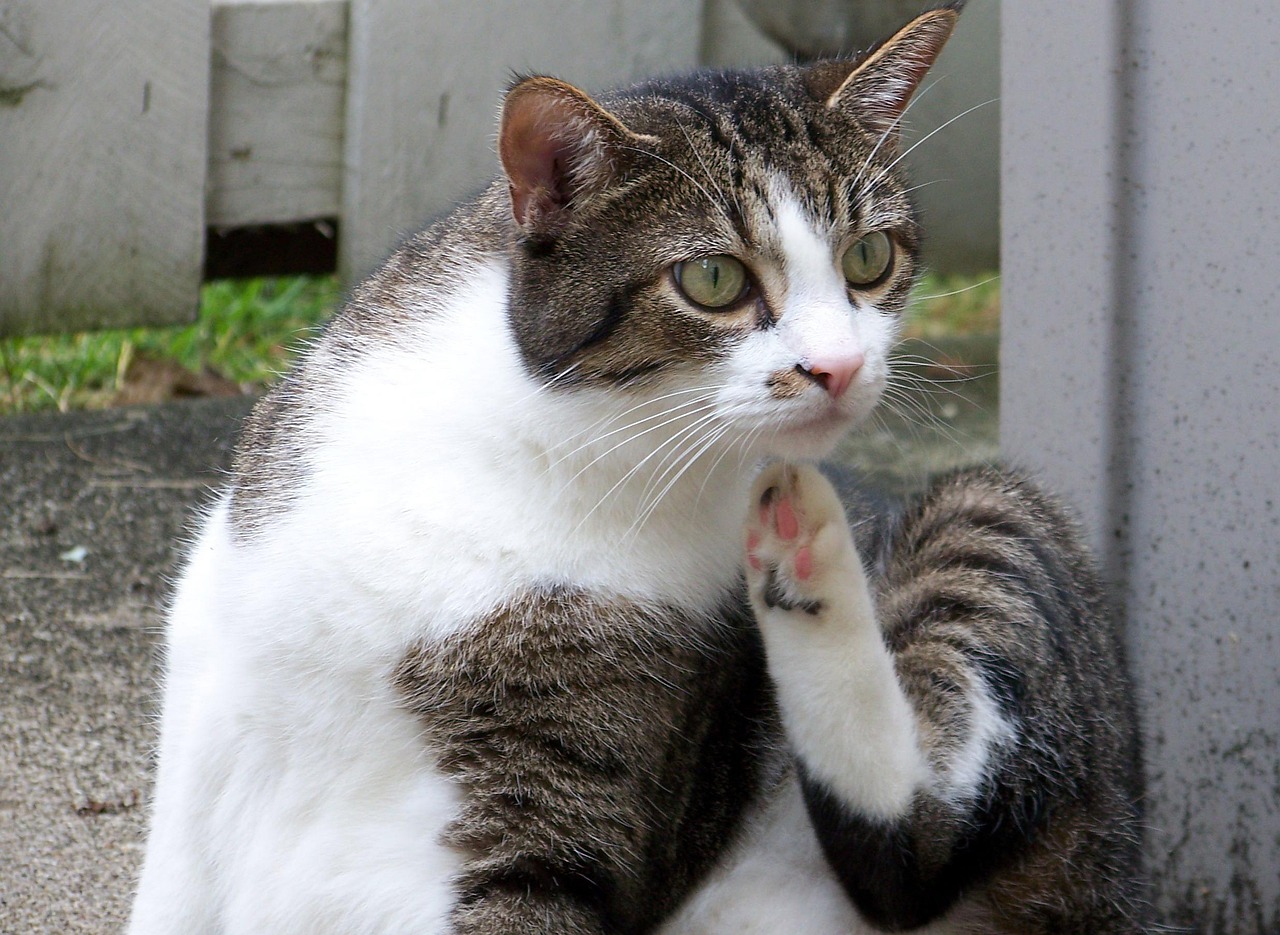

How to Reinforce ‘No Scratching’ Commands in Cats
Cats are naturally curious creatures and are prone to scratching furniture, cabinets, or even people. For cat owners, tackling this behavior is crucial. Reinforcing ‘no scratching’ commands can significantly improve the peace in your home and the safety of everyone involved. The first step is to understand why cats scratch; it can be due to instinctual behaviors such as marking territory. Therefore, it’s essential to teach them appropriate outlets for these natural urges. Start by providing scratching posts that are stable and enticing. Choose materials like sisal or cardboard as these are particularly appealing to cats. Regularly place these posts near areas they frequently scratch. Every time your cat scratches the appropriate post, reward them with praise or treats. This positive reinforcement encourages them to use the posts as a substitute. Additionally, using deterrents on your furniture can help. A light mist of citrus or a special cat-safe spray can discourage unwanted scratching. Remember, patience is important during this training process. Be consistent and always redirect your cat’s focus to their scratching post instead.
Combining verbal commands with visual cues enhances the effectiveness of your training. Use a firm “no” whenever your cat engages in undesirable scratching behavior. It is essential that this command is associated with disapproval. Whenever they scratch inappropriate surfaces, firmly but gently redirect them to their post using the same command. Ultimately, consistency is key. This means ensuring everyone in your household uses the same commands and methods when interacting with your cat. In addition, observing your cat’s behavior can offer insights into patterns that prompt scratching episodes. For example, if your cat scratches more when anxious, consider addressing sources of stress in their environment. Environmental enrichment, such as toys or climbing trees, can alleviate boredom and frustration. Make use of interactive playtime to build a bond with your cat. It can help reduce scratching occurrences too. Regular play sessions simulate hunting behavior and exhaust excess energy. If your cat continues to scratch despite your efforts, consult a veterinarian or animal behaviorist. This could indicate anxiety or medical issues needing attention. After all, your cat’s well-being is paramount.
Establishing Boundaries
Establishing clear boundaries regarding scratching behavior reinforces the no-scratching command effectively. Using physical barriers can also help in teaching them where they should and shouldn’t scratch. Consider employing double-sided tape on furniture. Cats typically dislike the texture under their paws. This technique discourages unwanted behaviors because it creates an unpleasant experience for them. In conjunction with this, having designated scratch zones can make a difference. Use different scratching materials to gauge your cat’s preference. Some might prefer vertical posts, while others enjoy horizontal surfaces. Determine what type of scratching your cat prefers, and position those areas away from furniture. After your cat adapts to their new scratching post, reward them for using it. Rewards could be verbal praise, treats, or even playtime. You are building a positive association with the post. Never punish your cat for scratching; instead, encourage alternatives. Punishment can backfire, leading to stress or fear, resulting in more behavioral problems. Engaging in positive reinforcement remains the best approach. Remember, transition takes time, and ongoing consistency will pay off in the long run.
To support your no-scratching initiatives, learning about calming aids can significantly benefit your cat. Products such as pheromone diffusers create an environment that promotes relaxation and comfort. These feromone products often help reduce stress-related behaviors in cats, including unwanted scratching. By calming your cat’s nerves, you are less likely to witness scratching out of anxiety. Additionally, consider using calming collars infused with natural calming scents. These can serve as a preventive measure to maintain a calm demeanor. Regular interaction and play will build a trusting relationship between you and your feline friend. Be vigilant about their routines and recognize signs of stress. Modification in their habits may signal underlying issues. Addressing those promptly can prevent future problems. Environmental changes can also cause stress; if you altered your home layout, for example. Make adjustments accordingly, including providing safe spaces for your cat. Moreover, remember to spend quality time in their presence. Sitting with them while observing their behavior can help gauge which actions could lead to scratching. Achieving a balance in their environment fosters a happier, more content cat.
The Role of Playtime
Engaging your cat in appropriate playtime activities fortifies the concept of ‘no scratching’ in a fun and interactive way. Play not only channels their energy but also satisfies their instinctual desires. Choose toys that mimic prey movements, such as feather wands or laser pointers, to tap into their hunting instincts. This shifts their focus from scratching surfaces towards more appropriate outlets such as interactive play. Schedule regular play sessions to create structure in your cat’s day, promoting a sense of security as well. Understanding your cat’s body language is essential during play. Recognize when they are getting bored or restless, and switch up how you engage with them to keep things interesting. Ultimately, strengthening the bond between you and your pet can also address their mischievous scratching behavior. Many times, boredom leads to inappropriate scratching. Build a routine that incorporates frequent playtime as well as environmental enrichment. This will ensure that they remain mentally and physically stimulated. As they become less bored, their temptation to scratch will gradually reduce, fostering better behavior and happier moments together.
Understanding the importance of a multi-faceted approach in training your cat against scratching is crucial. In addition to positive reinforcement and alternate stimuli, consider the impact of your cat’s diet. Good nutrition is essential for their overall health and behavior. Cats with high-quality diets are often more content, less likely to scratch due to boredom or anxiety. Include omega fatty acids in their nutrition as these help with maintaining beautiful fur and skin. This also influences their overall mood. Ensure they stay hydrated, as this can reduce irritability. Moreover, regular veterinary check-ups can rule out underlying health issues that might contribute to adverse behaviors. Pay attention to changes in your cat’s behavior over time, and make modifications based on their responses. Providing adequate attention, along with healthy meals and stimulation, builds a trusting relationship while addressing scratching instinct. Additionally, invest time in learning about alternative training methods, as different cats respond to diverse techniques. Remember that patience and consistency cultivate an environment for success. Gradually, you will see improvement, with a rewarding experience for both you and your furry family member.
Final Thoughts on Training
Training your cat to follow a ‘no scratching’ command requires dedication and strategic planning. Repeatedly emphasize to your cat where the acceptable scratching areas are versus where they are not. Start by making negative spaces less inviting, but don’t just rely on deterrents. Focus also on creating positive scratching experiences. Remember to reward your cat with praises and treats when they adhere to your training. Observing your cat leads you toward understanding their triggers or patterns in society. Thus, you can recommend better solutions that work for both of you. Adapting the environment can also prevent disagreements regarding scratching behavior. Be mindful of furniture style and types of surfaces to avoid. For example, choose materials that deter scratching, as they can foster an undesired habit. Also, rotate your cat’s toys frequently to maintain their interest and satisfaction. This keeps their energy levels balanced and lowers the urge to scratch furniture. In conclusion, a holistic approach with patience, consistency, and love will yield the best results. Over time, you and your cat will navigate through the training effectively, establishing a peaceful home.
In summary, cat training specifically targeting scratching behavior intertwines numerous strategies. Observing and understanding your cat’s triggers is critical in devising effective techniques. Remember that scratching is a natural instinct, so provide alternatives that align with those instincts. Use positive reinforcement effectively by rewarding desirable behavior at every opportunity. Moreover, consider any environmental stressors that may contribute to the problem; addressing these can lead to better behavioral responses. Creating a safe, engaging space with interactive toys, proper scratching posts, and enriching experiences builds a positive bond between you and your feline friend. Keeping to a routine also ensures your cat feels secure, reducing the general propensity to scratch or act out. Regular grooming adds another layer of comfort and helps your cat feel good physically, which contributes to their happiness. The role of play cannot be overstated either; maintaining engagement is key. Employing a mix of interactive sessions daily aids in redirecting their focus from scratching to playing. With time and care, training your cat to respect scratching boundaries becomes a rewarding journey for both of you.