
Preventing Infection After a Dog Bite
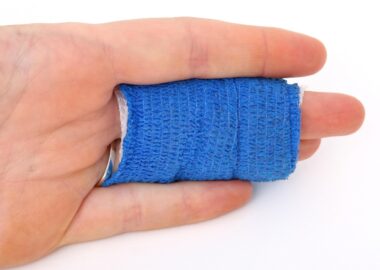
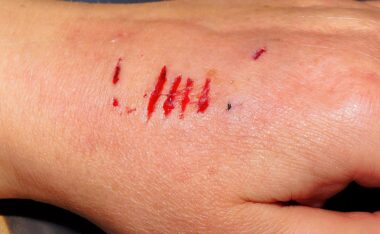
When a dog bite occurs, it’s crucial to act quickly to minimize the risk of infection. First, assess the severity of the bite. If it’s a minor wound, rinsing it thoroughly with soap and water can help remove dirt and bacteria. Following this, applying a clean bandage is essential. You can also consider applying an antiseptic to disinfect the area, reducing the risk of infection. Important signs to watch for are redness, swelling, increased pain, and pus; these may point to an infection. If you observe any of these signs, consult a healthcare provider immediately. Listen to your body, and do not ignore symptoms. Additionally, it is wise to keep a close eye on the dog that caused the bite, especially if it is unfamiliar. Check if the dog has a rabies vaccination and inform local animal control authorities if necessary. You might also consider whether you need a tetanus shot, especially if the wound is deep or if it’s been more than five years since your last shot. Stay aware of these steps; they can significantly impact your overall health and well-being.
Maintaining proper hygiene is paramount in preventing infection following a dog bite. Cleaning the wound should be your top priority, and you must do this thoroughly. Use running water or saline solution, if available. Gently scrub the surrounding area with soap for the best results. After the initial cleansing, dry the wound softly with a clean towel. This minimizes the introduction of bacteria and dirt back into the wound. After the wound is dry, apply an antiseptic ointment to further protect the area. An important aspect to remember is keeping the wound covered with a sterile bandage. Change the bandage daily or when it becomes wet or dirty to maintain cleanliness. Observing any changes in the wound’s appearance is also crucial; if it looks worse rather than better, seek medical advice promptly. The key is to act quickly and remain vigilant. In some cases, preventative measures like antibiotics may be prescribed by a doctor if the risk of infection is assessed as significant. Always consult healthcare professionals for guidance, especially for severe bites to ensure proper care.
Understanding Infection Risks
Infections can complicate what might initially seem like a minor injury. The bacteria often found in a dog’s mouth, such as Pasteurella, can enter the body through the bite and cause serious infections. Furthermore, humans are also at risk for various pathogens and bacteria that may lead to illness. If the dog that bit you is unvaccinated, the risks may increase substantially. Another consideration is your own health. People with weakened immune systems need to pay even more attention to proper wound care and follow up with healthcare providers promptly. Moreover, the location of the bite plays a significant role in the risk. Bites on hands, fingers, and feet pose a higher risk for complications due to their proximity to tendons and nerves. Such complications can result in lasting damage if not managed properly. Monitoring the wound, keeping it clean, and seeking medical attention as necessary are all vital steps to ensure healing and prevent complications. By understanding these risks, you can take proactive measures to safeguard your health after a dog bite.
It’s essential to monitor the healing process of a dog bite closely. Keeping track of any changes that occur in the wound can help in identifying possible infections early. You should document any redness, swelling, or increased warmth around the bite, as these can indicate an infection. If the area begins to feel increasingly painful, or if you notice any discharge, it’s critical to seek medical attention right away. Additionally, keeping the wound clean should never be overstated; it’s crucial to avoid exposing it to dirt and moisture that may promote bacterial growth. Depending on the bite’s severity, your healthcare professional may prescribe antibiotics or other treatments. Always follow their instructions carefully to optimize healing. Furthermore, if a tetanus booster is deemed necessary, it’s important not to delay the vaccination. Being proactive about your health is essential in managing dog bites. Educating yourself on post-bite care can ensure you know when to seek help. By responsibly monitoring your wound and taking necessary precautions, you can diminish the chances of complications arising.
Seeking Medical Attention
If you are bitten by a dog, especially if it is a severe bite, you should know when to seek medical attention. If bleeding does not stop after applying pressure for a few minutes, it is time to visit a healthcare professional. Likewise, if the bite is deep, gaping, or large, it’s crucial to get it evaluated immediately. It would help if you also went to the doctor if the dog is behaving strangely, especially if it is a stray or unfamiliar dog. Rabies is a serious concern when dealing with bites from unvaccinated animals. Make sure to report the incident to the local animal control office as well. They might assist with monitoring the dog or providing information about its vaccination status. Prompt medical evaluation is vital, particularly for high-risk bites. An early visit can help ensure that proper wound care is administered, which includes stitches, tetanus shots, or prophylactic antibiotics. Remember that no dog bite is too minor for a professional evaluation, especially if you have underlying health concerns.
Education and prevention play fundamental roles in handling dog bites and infections effectively. Understanding dog behavior, communication signals, and body language can keep you safe and minimize bite incidents. Always approach unfamiliar dogs with caution, and ask the owner for permission before petting their dog. Ensure children understand how to interact with dogs and recognize signs of distress in animals. Teaching them to respect a dog’s space is essential. Additionally, consider the importance of having your pets vaccinated and regularly checked by a veterinarian. A well-managed pet is less likely to pose a risk of biting. Furthermore, consider taking pet first aid courses for even better preparedness. These programs can provide you with critical knowledge about dog behavior, emergency care, and recognizing potential issues before they escalate. Being proactive about preventing dog bites can significantly reduce the number of incidents. Community education campaigns work wonders in spreading awareness and ensuring everyone understands the due diligence needed in canine interactions. Cultivating a safe environment can help protect both pets and people in your neighborhood.
Final Thoughts
After a dog bite, it is vital to prioritize your health and safety, following the aforementioned steps to ensure proper healing. No matter how minor the injury appears, take the opportunity to evaluate and care for the wound thoroughly. Adhere to the guidelines on cleaning, monitoring, and seeking medical attention when necessary. Educating yourself about infection risks gives you the tools to make informed decisions and avoid complications. Carrying out preventative measures can also include seeking resources about dog behavior to minimize risks moving forward. Taking responsibility for both your health and the safety of others ensures a healthier coexistence within your environment. Whether you are a pet owner or simply interacting with dogs, being informed empowers you to act wisely. Remember, awareness is a powerful tool in the world of dog handling. Patience and vigilance during the healing process can save you from unnecessary discomfort. For anyone dealing with the aftermath of a dog bite, don’t underestimate the importance of communication with your healthcare provider regarding persistent concerns. Post-bite recovery is a journey, and every step counts.
In conclusion, proper actions following a dog bite can significantly prevent infections. Utilize good hygiene practices, stay alert for signs of infection, and consult medical professionals when necessary. Understanding the risks is key, and education can empower both dog owners and the community. Taking personal responsibility for preventive measures can provide a safer environment not just for yourself, but for others as well. Throughout this article, we discussed the importance of wound care, hygiene, and monitoring, along with seeking swift medical attention when needed. By fostering awareness and compassion toward both dogs and their human companions, significant steps can be taken to avoid bites altogether. Each precaution taken today reinforces a future with better knowledge about animal behaviors and safety. Remember that learning is continuous, and every interaction with dogs offers insights that build expertise over time. Engage with resources like local training programs, vet consultations, and community discussions dedicated to understanding canine behavior. These initiatives create a ripple effect, benefitting everyone involved. Staying informed strengthens the bond between humans and dogs, ensuring all interactions remain positive and safe.