
Puppy Skin Rashes: Causes, Treatments, and Prevention
Puppy skin rashes can be concerning for pet owners as they indicate various underlying issues affecting their dog’s health. These rashes can result from allergies, infections, parasites, or improper grooming practices. Identifying the cause of the rash is crucial for effective treatment and prevention. Skin conditions can vary, presenting as red patches, bumps, or flaky skin, and may cause discomfort for the puppy. Regular check-ups with a veterinarian can help detect skin issues early. Additionally, monitoring your puppy’s environment is essential to identify allergens like pollen, dust, or food ingredients. Rashes can also be related to recent changes in a puppy’s diet or exposure to new environments. It’s vital to maintain a clean and safe environment for your puppy to minimize the risk of skin problems. Knowing the signs and symptoms of puppy skin rashes, including excessive scratching or licking, can help you act quickly to find a solution. A healthy diet, combined with proper skincare, plays a pivotal role in maintaining a puppy’s skin health.
Common Causes of Puppy Skin Rashes
Understanding the common causes of puppy skin rashes is essential for pet owners. Allergies is a predominant cause and can arise from various sources, including food, environmental factors, and flea bites. When a puppy encounters an allergen, their immune system responds negatively, leading to itchy skin and rashes. Another possible cause of skin reactions is bacterial infections, which can develop from broken skin or hot spots. Parasitic infestations, like fleas or mites, can cause severe itching and rashes, necessitating comprehensive treatment for the pest problem. Furthermore, skin irritations can be triggered by certain shampoos or grooming products, which can damage the skin’s natural barrier. Hormonal imbalances and underlying health conditions may also manifest as skin rash symptoms, thus requiring veterinary assessment. Each cause needs tailored treatment, making it vital to consult a veterinarian for proper diagnosis. In managing puppy skin rashes, the focus should be placed on identifying the root cause to formulate effective prevention strategies, including routine skin care, dietary adjustments, and ensuring a flea-free environment for your furry companion.
Prompt treatment of puppy skin rashes is critical to alleviate discomfort and prevent further complications. If you observe any signs of skin irritation, it is important to schedule a visit with a veterinarian as soon as possible. They may recommend various treatments depending on the underlying cause of the rash. For allergies, antihistamines or corticosteroids can be prescribed to reduce inflammation and itching. In cases of bacterial infections, antibiotics may be necessary to control the infection and promote healing. For parasitic issues, specialized treatments targeting fleas or mange mites must be administered to eliminate the problem. Additionally, topical treatments such as medicated shampoos or ointments may provide immediate relief and healing to affected skin. It’s essential to follow your veterinarian’s advice diligently to ensure a swift recovery. Always avoid using over-the-counter human medications without veterinary approval, as they can sometimes cause further harm. Adequate hydration and nutrition will also support healing. Owners should keep a close eye on their puppy after initiating treatment to monitor progress and adjust the care regimen as needed.
Preventing Puppy Skin Rashes
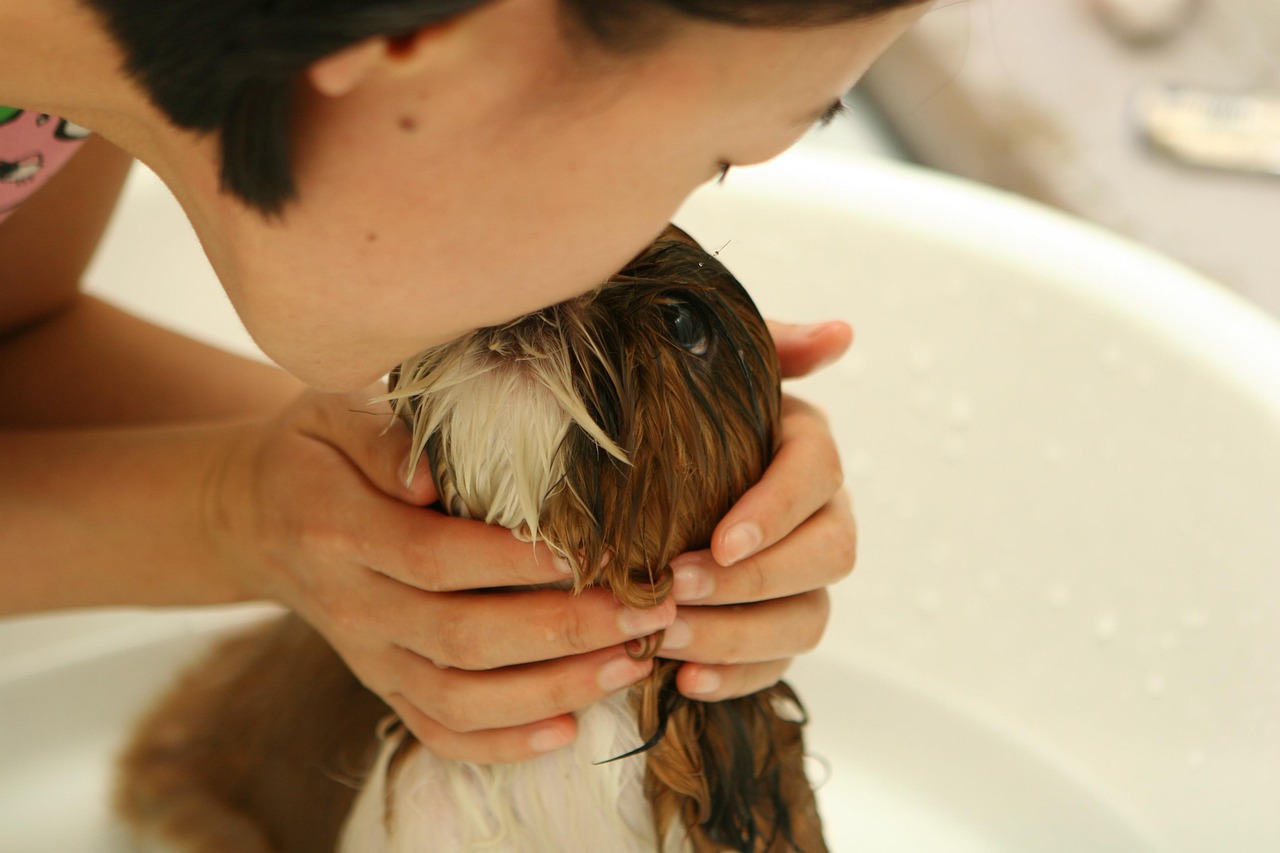
Prevention is always better than cure when it comes to puppy skin rashes. Maintaining a dedicated hygiene routine is essential for any pet. Regular grooming not only keeps a puppy looking great but also allows for early identification of any skin irregularities. Bathing your puppy with suitable pet shampoos can help avoid skin irritations. Ensure that all products used are formulated specifically for dogs and are free from harsh chemicals. A healthy diet is also critical in supporting skin health; consider high-quality dog food that includes omega fatty acids to promote a healthy coat. Feeding your puppy anti-allergic treats can also be beneficial in reducing flare-ups if allergies are a concern. Ensuring that your puppy stays free of fleas and other parasites through consistent prevention treatments is crucial as well. Regular veterinary visits can help maintain your puppy’s overall health and allow you to proactively manage potential skin issues. Lastly, monitoring your puppy’s environment closely, such as keeping the living area clean, protects against allergens and irritants, benefiting their skin greatly.
Recognizing early signs of skin problems is key to effective management. Common symptoms include excessive scratching, licking, redness, swelling, and unusual odor from the skin. If you notice any of these signs, it should prompt immediate attention. Keeping a close eye on your puppy’s behavior is essential; if they exhibit increased discomfort or unusual sensitivity when their skin is touched, it could indicate a rash or other skin issue developing. Regularly checking your puppy’s skin during grooming sessions can greatly assist in catching potential problems before they escalate. If a rash develops, it is advised to avoid home remedies without professional verification, as this can often worsen the condition. Consulting with a veterinarian is crucial to receiving medically-backed advice on managing skin concerns. If needed, they may suggest allergy testing to pinpoint specific allergens affecting your puppy. Early intervention could lead to more effective treatment and a shorter recovery period. Additionally, educating yourself on common skin conditions observed in puppies will empower you to act more confidently as a pet owner.
When to Seek Veterinary Help
Knowing when to consult a veterinarian regarding your puppy’s skin issue is vital. If a rash persists for more than a few days, worsens, or is accompanied by other symptoms like fever, lethargy, or vomiting, immediate veterinary assistance is necessary. Also, if your puppy seems overly distressed or is causing damage to the affected area by scratching excessively, it’s time to seek professional help. Specialized care is required for more severe cases, such as infections or systemic diseases. Your veterinarian may perform skin scraping, allergy testing, or other diagnostics to determine the cause of the rash accurately. Following the vet’s recommendations for treatment, including any prescribed medications, is necessary for proper healing. Lastly, keeping a record of any changes in your puppy’s health and behavior will provide essential information for the veterinarian during consultations. This record may include dietary changes, grooming routines, and anything new introduced to your puppy’s environment. Comprehensive documentation assists vets in making informed decisions towards effective diagnosis and treatment.
In summary, caring for your puppy’s skin health is crucial for ensuring their comfort and well-being. Puppy skin rashes can stem from various causes, including allergies, infections, or improper grooming practices. Understanding the signs and taking prompt action can prevent minor irritations from escalating into serious issues. Quality nutrition, regular grooming, and a clean environment play vital roles in maintaining skin health. Always remain alert to any changes in your puppy’s condition and do not hesitate to consult a veterinarian when in doubt. Adopting a proactive approach towards your puppy’s skincare can result in fewer visits to the vet and a more enjoyable life for both the pet and the owner. Detailed awareness of potential skin irritants and preventive strategies can make a substantial difference. Each puppy is unique and may respond differently to various treatments and care practices. Being informed and observant empowers pet owners to support their puppies’ health effectively. Lastly, fostering a bond through care and understanding can enhance your relationship with your puppy.
Taking care of your puppy’s skin should be a consistent and knowledgeable process for all pet owners. Understanding the anatomy of your puppy’s skin can also help in providing proper care. Like human skin, puppy skin has varying sensitivities and can respond to external factors. By maintaining an open line of communication with your veterinarian and educating yourself on best practices, you can significantly improve your puppy’s quality of life. Knowledge of potential health concerns, especially in relation to skin conditions, can steer you toward better prevention and treatment options. Engaging in informative platforms such as pet care blogs or forums can keep you updated on common puppy skin issues. Connecting with fellow pet owners may also lead to shared experiences that could be helpful for your puppy’s health. Remember that every puppy is a new adventure, and ensuring the best care will uplift not only your puppy’s well-being but also enhance the joy of pet ownership. Staying committed to continuous learning will arm you with the skills needed to maintain your puppy’s skin health effectively.