
The Complete Guide to Maltese Dog Characteristics and Temperament
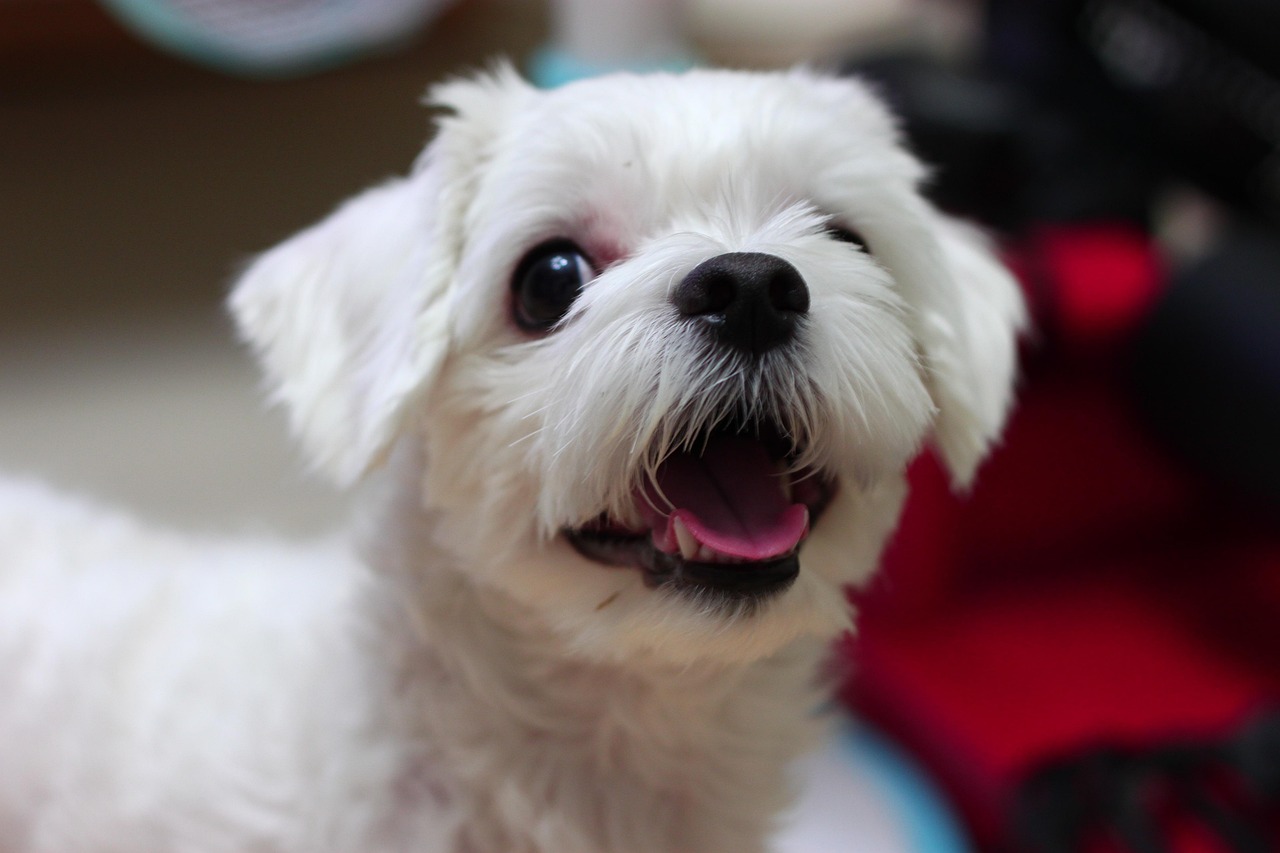
The Maltese dog breed is loved for its charming characteristics and delightful temperament. These small dogs are known for their long, white, flowing coats that require regular grooming to keep them looking beautiful. They are usually between 7 to 9 inches tall and weigh around 4 to 7 pounds, making them an ideal toy breed for families living in small spaces. Maltese are known for having a playful disposition, and they possess an affectionate nature that deeply bonds with their owners. Their friendly demeanor makes them excellent companions, and they are well-suited for people of all ages. Regular exercise is necessary to keep these dogs healthy and happy; they love short walks and play sessions. Maltese dogs are also quite intelligent, which enables them to learn commands and tricks quickly. However, they may exhibit some stubbornness, so consistent training methods are recommended. Socialization is important from an early age to prevent any potential behavioral issues. Maltese dogs thrive on attention and do not like to be left alone for extended periods.
Maltese dogs possess a joyful personality and a lively character, making them highly sought after as family pets. Their playful nature allows them to enjoy a variety of activities, including games and interactive play with their humans. They are social animals and generally get along well with other pets, although early socialization is crucial to ensure they develop proper skills in interacting with a variety of animals. Their alertness makes them suitable watchdogs; they will bark to communicate any unusual happenings, an instinctive trait that highlights their protective nature. While they are small, they exhibit a surprisingly courageous demeanor. Maltese dogs adapt well to different living situations, whether in a cozy apartment or a larger home. They require attention and companionship, and they often suffer from separation anxiety when left alone for long hours. Therefore, it is always ideal for their owners to ensure that they have sufficient social interaction. Potty training might require extra patience, but consistency is the key. Additionally, regular vet check-ups are essential to maintain their health, especially considering their predisposition to certain genetic issues.
Health Considerations for Maltese Dogs
When considering bringing a Maltese dog into your home, understanding their health needs is important. Like any breed, Maltese dogs can be prone to certain health issues, such as dental problems, patellar luxation, and eye conditions. Regular veterinary check-ups are crucial to monitor their health and catch potential issues early on. Due to their small size, their dental hygiene can deteriorate quickly, so regular brushing is recommended. Furthermore, patellar luxation is a common problem that can cause a dog to experience difficulty walking. Eye conditions, including cataracts and progressive retinal atrophy, can also occur, requiring attention and possible treatment. Providing your Maltese with a balanced diet and regular exercise helps keep them fit and healthy. Aging Maltese may require special diets to support their overall health. Adding supplements can be beneficial, but you should consult your vet before introducing anything new. Additionally, monitoring their weight is important, as obesity can exacerbate many health issues. If you keep up with proper care and regular vet visits, your Maltese can enjoy a long, healthy life filled with love.
The grooming needs of a Maltese dog are quite significant due to their long, luxurious coats. Regular brushing is necessary to prevent mats and tangles which can cause discomfort and health issues. While some owners choose to maintain the long coat, many opt for a shorter trim for ease of care. A professional groomer can assist if you feel overwhelmed with the grooming process. Daily brushing will help in the removal of dirt and debris, and also help distribute natural oils for healthier skin. Bathing your Maltese every few weeks helps keep its fur clean and free of odors. Use a gentle shampoo formulated for dogs to avoid skin irritations. Regular nail trimming is also essential, as overgrown nails can lead to walking difficulties. Some Maltese may require dental care, especially as they get older; teeth should be brushed frequently to prevent gum disease. Ear cleaning is equally important to prevent infections. Overall, establishing a grooming routine early on will help your Maltese accept grooming as a positive experience. Always reward your pet during and after grooming sessions to reinforce good behavior.
Training Your Maltese
Training is an essential part of raising a happy and well-behaved Maltese dog. These intelligent small dogs can learn new commands quickly but may also exhibit stubbornness. The key to successful training lies in patience, consistency, and positive reinforcement. Begin training your Maltese as early as possible, as puppies are more receptive to learning. Basic commands, such as sit, stay, and come, are essential for the safety and well-being of your dog. Using treats or toys as rewards will motivate them during training sessions. Short, frequent training sessions are recommended to keep them engaged and avoid boredom. Socialization is equally crucial; exposing your Maltese to various environments, people, and other animals helps them develop confidence and reduces anxiety. Attending puppy classes can be an excellent way for socialization and structured training. Remember that Maltese dogs thrive on praise and attention, so be sure to celebrate their successes, however small. Moreover, avoid harsh discipline, as it can lead to fearfulness in these sensitive dogs. A calm, positive approach will yield better responses and create a stronger bond between you and your Maltese.
Choosing the right environment for your Maltese is fundamental for their overall happiness and well-being. These dogs adapt well to both apartments and larger homes; however, they should not be left unattended for long periods, as they thrive on companionship. Provide a cozy space with a soft bed where your Maltese can feel secure. Establishing a routine is essential to help them understand when it’s playtime and when it’s time to relax. They enjoy spending quality time with their families and will often follow you around the house. Regular outdoor time is crucial for their mental stimulation and exercise needs; however, they should always be supervised to protect them from dangers like larger dogs. A fenced yard or a leash walk is perfect for ensuring their safety and well-being. Additionally, avoiding exposure to extreme weather conditions is crucial, as Maltese are sensitive to temperature changes. A harness is ideal for walks, as their small necks are susceptible to injury. Overall, creating a safe and loving environment will significantly impact your Maltese’s quality of life and happiness.
Conclusion: Embracing the Maltese Spirit
In conclusion, the Maltese dog breed embodies characteristics that make it an exceptional companion. Their affectionate temperament, paired with a playful spirit, makes them a beloved choice for families and singles alike. With their entertaining antics and loyalty, they quickly become a part of the family. Owning a Maltese has specific responsibilities, such as grooming, training, and socialization that owners must be equipped for. Providing a loving environment, coupled with proper care, will allow these dogs to flourish and live fulfilling lives. Be prepared for the time and effort required to ensure their happiness, health, and safety. They thrive on companionship and should never be ignored or left alone for too long. With their small size, Maltese are great for those in apartments but require regular exercise to manage their energy levels. If you can meet their needs with dedication and love, you will find an affectionate friend for life. With proper care, your Maltese can live well into their teen years, bringing joy and love into your home. Embrace the Maltese spirit, and you won’t regret your choice.