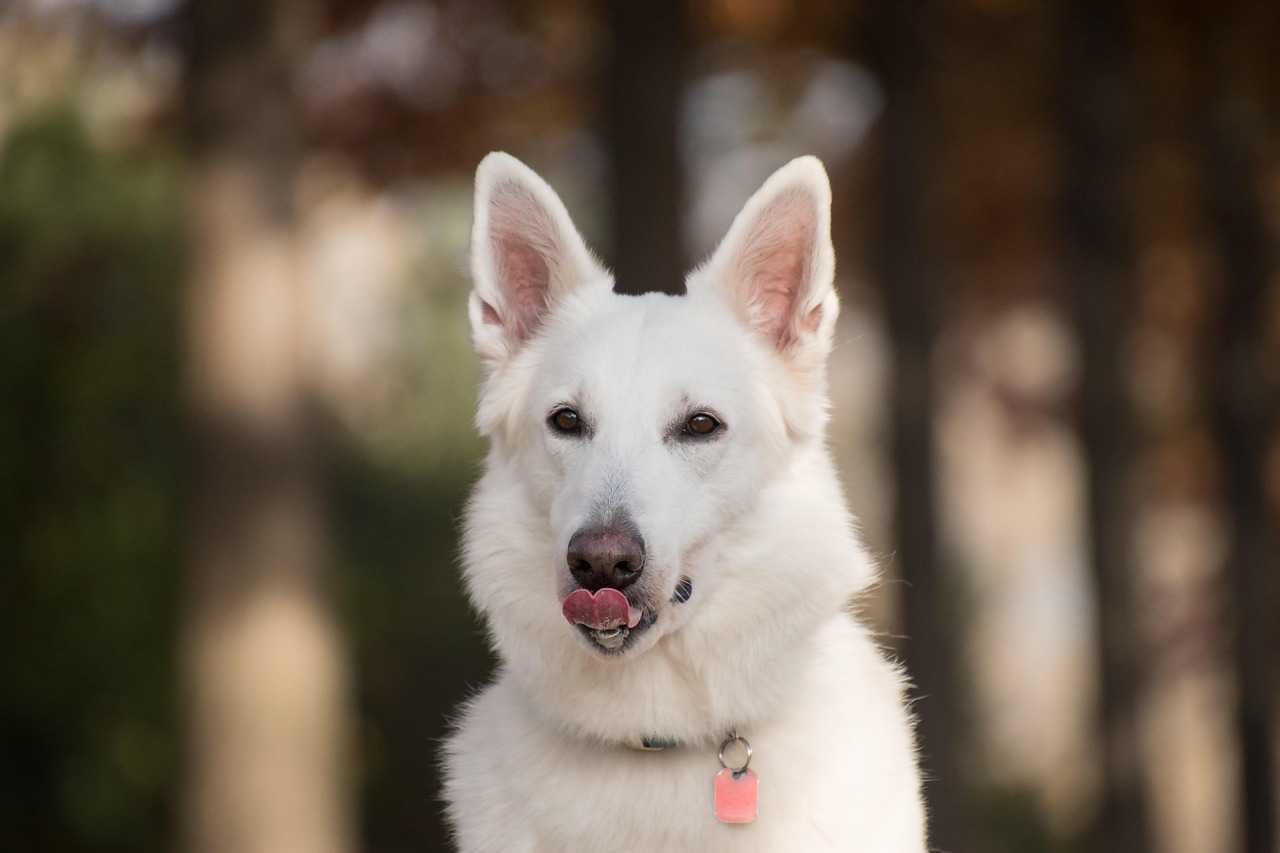

Top 10 Reasons for Excessive Licking in Dogs
Excessive licking in dogs can be a concerning behavior for pet owners. It may stem from various causes, which can sometimes indicate underlying issues. Understanding these causes can help you address the behavior effectively. Here are ten reasons why your dog might be licking excessively. Firstly, it can be due to allergies, which may affect the skin and result in itching. Dogs then lick to relieve the discomfort caused by the allergens. Secondly, it can be a sign of stress or anxiety, where dogs use licking as a coping mechanism. This behavior is similar to a child sucking their thumb or twisting their hair when anxious. Thirdly, boredom can lead dogs to lick too often, as it becomes a self-soothing activity. Wait for your dog to engage in more stimulating activities. Fourthly, they may develop obsessive-compulsive disorders, which drive them to repeat certain behaviors. Identifying triggers and seeking help can be beneficial in these cases. Lastly, excessive licking can also be a response to pain or discomfort, especially if the licking is localized. This could mean a visit to the veterinarian might be in order.
Moreover, behavioral issues can arise from improper training, leading to anxiety and resulting in excessive licking. Dogs that haven’t been socialized properly may turn to this behavior as an escape from stressful situations. It is crucial to ensure that your dog is well-acclimated to different people, environments, and experiences to minimize anxiety-related behaviors such as licking. In addition, physical discomfort like wounds, skin infections, or hot spots can cause excessive licking. When dogs try to soothe these areas, it results in repetitive licking actions that can aggravate their condition further. Next, some dogs lick due to boredom, especially if left alone for long periods. They may develop compulsive behaviors when in an unstimulating environment. Providing regular exercise and mental stimulation can redirect this behavior. Furthermore, diet-related issues such as food allergies can also contribute to excessive licking. Ingredients in low-quality dog food might provoke allergic reactions, leading to licking behavior. Switching diets or seeking veterinary advice can alleviate this issue. Yet another cause is the attention-seeking behavior, where licking can be a learned habit. If dogs notice they receive attention from owners when they lick, they may repeat the action.
Additionally, consider your dog’s general health and well-being. Dogs that feel unwell might exhibit excessive licking, as they are trying to communicate discomfort. It can often indicate gastrointestinal problems or other internal issues, necessitating a thorough health check. Assessing any concurrent symptoms can provide more evidence for a health-related cause behind the licking. When observing this behavior, it’s essential to try redirecting your dog’s attention with toys or activities. Training can help instill better habits, so your dog understands when licking is appropriate or inappropriate. Moreover, it’s necessary to create a consistent routine to enhance your dog’s security and minimize anxiety-induced licking. Regular check-ins with a veterinarian for potential allergies can also preemptively identify dietary or environmental triggers. Also, pheromone diffusers or calming collars may support a more relaxed state for anxious dogs, reducing licking. Lastly, if a dog seems to derive pleasure from licking, it might become a self-reinforcing cycle. Therefore, separating them from situations leading to excessive licking is a beneficial strategy to try at times.
In conclusion, excessive licking in dogs can originate from numerous factors, ranging from allergies to boredom. By observing your pet closely and identifying the cause, you can respond appropriately and effectively. That may involve working with veterinarians or pet behaviorists who can provide additional insights. For instance, if your dog is bored, regular walks or playtime can be a great way to alleviate the situation. Conversely, for anxiety, training sessions or sessions with an animal behaviorist could prove beneficial. Moreover, monitoring dog food intake can assist in minimizing diet-induced licking. Substituting less allergenic food or treats might significantly improve their condition. Much will depend on a detailed understanding of your dog’s behaviors and patterns over time. Crate training is one recommended option for anxious dogs, providing a safe space where they can retreat. Furthermore, establishing a daily routine creates predictability that soothes most dogs and ultimately reduces excessive licking. Remember, every dog is unique, so tailor your approach accordingly. Being attentive and responsive to their needs contributes to a healthier and happier pet.
Final Thoughts
Lastly, remember that changes in licking behavior may require patience and persistence. If you notice a sudden increase in this behavior, it may signal an underlying health concern needing immediate attention. Yet if the licking persists despite your efforts, don’t hesitate to reach out to an animal behaviorist for specialized help. They can assess your dog’s unique situation and recommend interventions tailored for your specific dog. In the long run, the time you spend addressing these concerns will lead to a more satisfying life for both you and your dog. Keeping your dog active, engaged, and mentally stimulated can ultimately curb excessive licking. By understanding these potential causes and solutions, you will become more adept at identifying any issues that arise. You can create a happier and healthier environment for your canine companion. Regular veterinary checkups can also help ensure that your dog remains free from underlying issues that could manifest as obsessive behaviors. Thus, stay observant and proactive. Addressing excessive licking begins with understanding its causes and taking appropriate measures to manage it for your pet’s well-being.
References for further reading on this topic can include veterinary articles, dog behavior books, or reliable online resources dedicated to pet care. Sites such as the American Kennel Club or the ASPCA offer plenty of helpful insights for maintaining your pet’s health and happiness. Always strive for trustable, expert sources when navigating pet care dilemmas. Building a strong foundation of knowledge will empower you to tackle any emissions your dog has related to excessive licking behaviors. Additionally, consulting your veterinarian can guide you on how to manage licking problems effectively. Provide your vet with as much information as possible about your dog’s behavior and lifestyle. This will lead to better recommendations tailored to your dog’s individual needs. Maintaining a healthy, well-balanced lifestyle for your dog is essential. Incorporate regular veterinary visits, balanced nutrition, and satisfying exercises for your pet. This commitment pays off in overall happiness and well-being. As dedicated pet owners, ensuring our dogs lead fulfilling lives contributes significantly to reducing problematic behaviors.
Last but not least, joining a community of dog parents online can also be an excellent way to share your experiences and learn from others. These platforms often provide the chance for exchanging tips and strategies that worked well for pets facing similar issues. By utilizing forums, social media groups, or even local clubs, you could find various perspectives on managing excessive licking in dogs. Connecting with fellow pet owners allows for a supportive environment to discuss concerns and successes. Ultimately, fostering a relationship with other pet enthusiasts enhances your understanding of dog behavior. This, in return, can better equip you to identify and rectify your dog’s challenges with excessive licking. Whether through informal chats or more structured conversations with professionals, knowledge empowers you as a dog owner. Encourage open dialogues about dog behavior challenges; sharing solutions is beneficial for everyone involved. Striving to work as a community amplifies individual efforts, leading to positive outcomes for dogs everywhere. Thus, approach the journey with optimism, armed with knowledge and support from fellow dog lovers.
As you navigate your dog’s excessive licking habits, remember that this journey requires time, understanding, and patience. Your efforts to discern the causes of this behavior will guide you in implementing successful strategies. Becoming aware of the situation puts you in the best position to help. By understanding the underlying issues and potential solutions, it fosters a stronger bond between you and your furry friend. Consider how your dog’s emotional and physical state influence their behavior, and seek to balance their needs. With dedication and compassion, your dog can thrive in a loving and supportive environment. Regular training, socialization, proper medical care, and positive reinforcement interventions create a well-rounded experience for your pet. Make it a priority to stay informed about dog behavior research and evolving training methods. This will open opportunities for enriching interactions with your companion. Ultimately, your commitment to your dog’s well-being not only benefits them but strengthens your relationship. Focus on providing a supportive atmosphere filled with understanding and care. These efforts will surely lead to a happier, healthier pet free from the burdens of excessive licking.